Vietnamese Ao Dai: A Journey Through Elegance, Tradition, and Modern Style
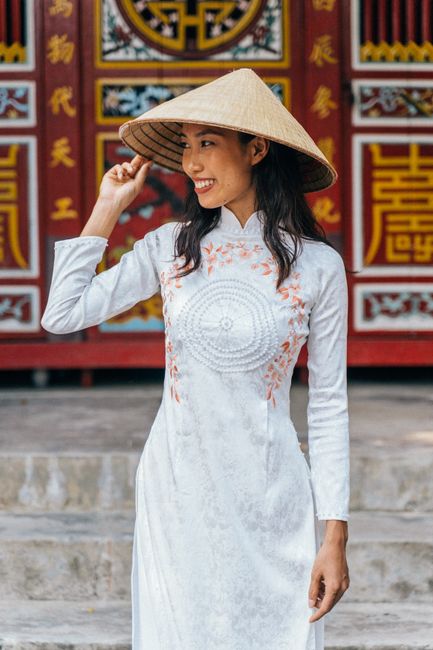
Vietnamese Ao Dai: A Journey Through Elegance, Tradition, and Modern Style
Oh, the Ao Dai. Just the name conjures up images of graceful Vietnamese women gliding through bustling streets, their flowing silks a vibrant contrast to the urban landscape. It's more than just clothing; it's a symbol of national pride, a testament to Vietnamese history, and a breathtaking expression of feminine beauty. I remember the first time I saw one up close – I was completely mesmerized! It was at a family wedding, and my aunt was wearing a stunning red Ao Dai. The way it moved, the intricate embroidery, the sheer elegance of it all… I was instantly captivated, and that's when my own love affair with the Ao Dai began.
Understanding the Ao Dai: More Than Just a Dress
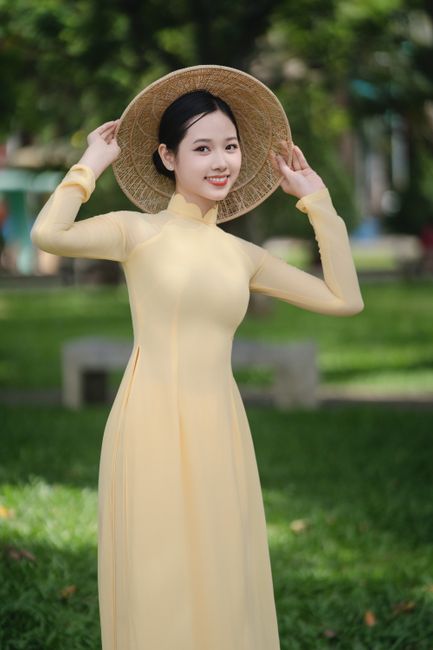
So, what exactly is an Ao Dai? Well, at its most basic, it's a long, fitted tunic worn over pants. But that description doesn't even begin to capture its essence. The Ao Dai, pronounced "ow yai," translates roughly to "long shirt" in English. It's typically made of silk or a similar fabric, and it features a high collar (though modern versions sometimes have lower necklines), long sleeves, and slits that extend up to the waist, allowing for graceful movement.
The beauty of the Ao Dai lies in its simplicity and its ability to flatter any body type. It accentuates the curves while remaining modest and refined. The flowing pants, traditionally wide-legged but now often more fitted, add to the overall sense of fluidity and grace. It's an incredibly versatile garment, suitable for everything from formal occasions to everyday wear (although modern versions for daily wear are often simplified).
I've always felt that the Ao Dai is a perfect blend of practicality and artistry. It's comfortable to wear (especially in the hot Vietnamese climate!), yet it's also incredibly elegant and eye-catching. I've even worn a modified Ao Dai to a business conference! It's a powerful way to subtly represent your heritage and stand out in a sea of suits.
A Brief History: From Royalty to Everyday Wear
The story of the Ao Dai is a fascinating journey through Vietnamese history. It evolved over centuries, with influences from various cultures and social trends. Let's take a quick trip down memory lane:
1. The Ao Tu Than (Four-Part Dress): This is considered the precursor to the Ao Dai. Dating back to the 17th century, it was a more modest, four-paneled garment worn by women of all social classes. Imagine something practical and functional for everyday life.
2. The Ao Ngu Than (Five-Part Dress): In the 18th century, the Ao Tu Than evolved into the Ao Ngu Than, featuring five panels instead of four. This symbolized the five elements of the universe and added a layer of formality and sophistication.
3. French Influence and the Ao Dai Le Mur: This is where things get interesting! In the 1930s, a Vietnamese designer named Cat Tuong, also known as Le Mur, modernized the Ao Dai by taking inspiration from European fashion. He tightened the fit, lengthened the tunic, and added elements like puffed sleeves and a more pronounced neckline. This version, known as the Ao Dai Le Mur, was controversial at the time but paved the way for the modern Ao Dai we know and love.
4. Post-War Adaptations: After World War II, the Ao Dai continued to evolve, becoming more streamlined and figure-hugging. Different styles emerged, catering to various tastes and occasions. The "Ao Dai Saigon," for example, was particularly popular in the south of Vietnam and featured a tighter fit and more elaborate embellishments.
5. The Modern Ao Dai: Today, the Ao Dai is a beloved symbol of Vietnamese identity and is worn for a wide range of events, from weddings and festivals to school ceremonies and national holidays. Designers continue to experiment with fabrics, colors, and embellishments, ensuring that the Ao Dai remains relevant and fashionable.
It's amazing to think about how much history is woven into each Ao Dai. When you wear one, you're not just wearing a dress; you're wearing a piece of Vietnamese heritage.
Choosing Your Ao Dai: A Personal Journey
Okay, so you're thinking about getting an Ao Dai? Fantastic! It's an experience, and I'm thrilled for you. Here are a few tips to help you navigate the process:
1. Consider the Occasion: What will you be wearing the Ao Dai for? A formal event like a wedding calls for a more elaborate design with luxurious fabrics and intricate embroidery. For everyday wear, you might opt for a simpler, more comfortable Ao Dai in cotton or linen.
2. Fabric is Key: Silk is the classic choice for an Ao Dai, known for its luxurious feel and beautiful drape. However, there are many other options to consider, such as velvet, chiffon, and even modern synthetic fabrics. Each fabric has its own unique properties and visual appeal. I personally love the way silk catches the light and moves so elegantly.
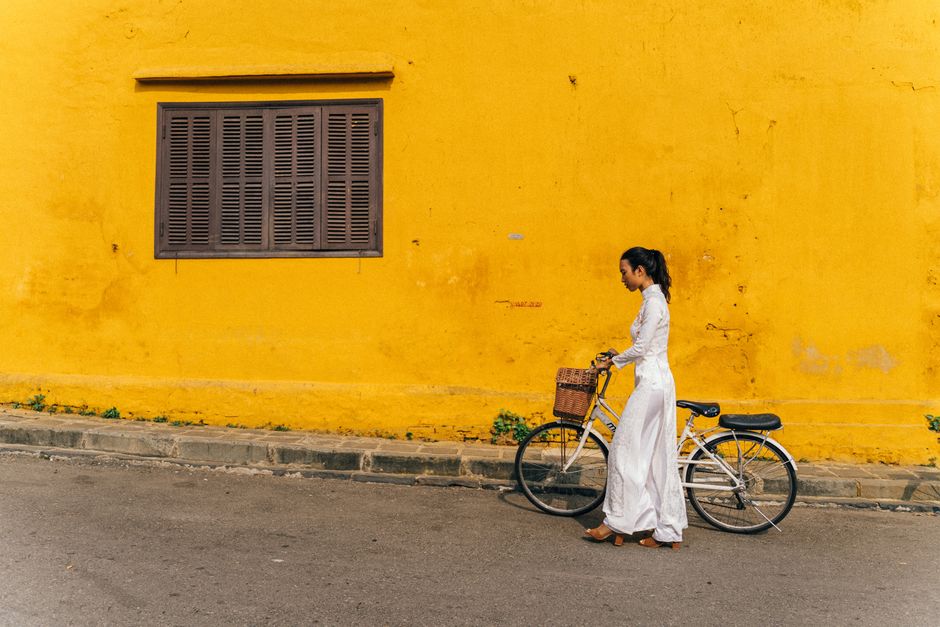
3. Color and Pattern: Traditionally, Ao Dais were often white, symbolizing purity and innocence, especially for young women. However, today, Ao Dais come in a rainbow of colors and patterns. Consider your skin tone and personal style when choosing a color. Bold colors like red and gold are often worn for festive occasions, while softer colors like pastels and blues are popular for everyday wear. Floral patterns are also a common choice, adding a touch of femininity and romance. I once saw an Ao Dai with hand-painted scenes from a Vietnamese folktale – it was breathtaking!
4. The Right Fit: This is crucial! An Ao Dai should fit snugly but comfortably, accentuating your curves without being too tight. A good tailor is essential for achieving the perfect fit. Be prepared to have several fittings to ensure that the Ao Dai is tailored to your exact measurements. This isn't something you want to rush!
5. Accessorize Wisely: The right accessories can elevate your Ao Dai to the next level. Traditional accessories include:
a. The Non La (Conical Hat): A classic Vietnamese icon, the Non La adds a touch of rustic charm to the Ao Dai. b. Shoes: High heels are typically worn with the Ao Dai, adding height and elegance. Choose a pair that complements the color and style of your Ao Dai. c. Jewelry: Simple jewelry, such as a delicate necklace or earrings, can add a touch of sparkle without overpowering the overall look. d. Handbag: A small clutch or handbag is a practical and stylish accessory.
6. Consider Getting it Custom-Made: While you can find ready-to-wear Ao Dais, especially in Vietnam, having one custom-made allows you to choose your fabric, color, and design, ensuring a perfect fit and a truly unique garment. Plus, the experience of working with a skilled tailor is a special one.
Modern Twists on a Timeless Classic
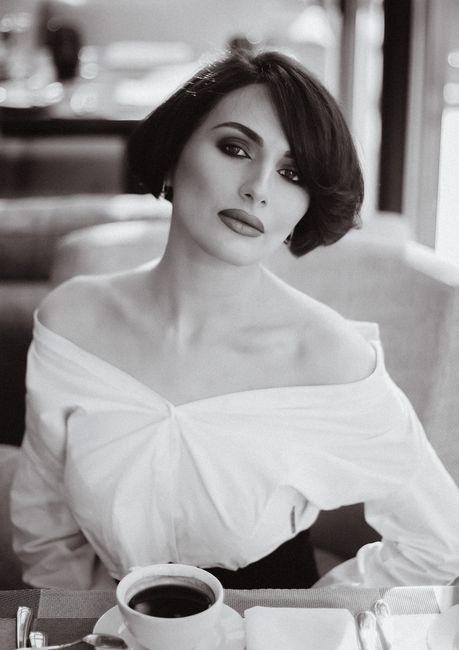
While the traditional Ao Dai remains a beloved symbol of Vietnamese culture, designers are constantly finding new ways to modernize and reinterpret it. We're seeing some amazing innovations!
1. Experimenting with Fabrics: Designers are using a wider range of fabrics, including lace, denim, and even eco-friendly materials, to create Ao Dais that are both stylish and sustainable.
2. Playing with Silhouettes: While the classic Ao Dai silhouette remains popular, designers are also experimenting with different lengths, necklines, and sleeve styles. We're seeing shorter Ao Dais, Ao Dais with bell sleeves, and even Ao Dais with asymmetrical hemlines.
3. Incorporating Modern Embellishments: In addition to traditional embroidery and beading, designers are incorporating modern embellishments such as sequins, appliques, and even digital prints.
4. Ao Dai for Men: While the Ao Dai is traditionally associated with women, male versions are becoming increasingly popular, especially for formal occasions. These Ao Dais often feature bolder colors and patterns and are typically paired with tailored pants.
5. Bridal Ao Dais: Bridal Ao Dais are often the most elaborate and extravagant, featuring intricate embroidery, luxurious fabrics, and stunning embellishments. They are a beautiful way to honor Vietnamese traditions while making a statement on your wedding day. I've seen some with phoenixes and dragons – truly works of art!
These modern interpretations are ensuring that the Ao Dai remains relevant and fashionable for generations to come. It's a testament to the enduring power of tradition combined with the spirit of innovation.
Caring for Your Ao Dai: Preserving its Beauty
An Ao Dai is an investment, both financially and emotionally. Taking proper care of it will ensure that it remains a cherished part of your wardrobe for years to come.
1. Dry Cleaning is Best: For most Ao Dais, especially those made of silk or other delicate fabrics, dry cleaning is the safest option. Be sure to choose a reputable dry cleaner who has experience with delicate garments.
2. Hand Washing (with Caution): If you choose to hand wash your Ao Dai, use a mild detergent and cold water. Gently swirl the Ao Dai in the water and avoid scrubbing or twisting the fabric. Rinse thoroughly and hang to dry in a shaded area.
3. Avoid Direct Sunlight: Direct sunlight can fade the colors of your Ao Dai, so it's best to dry it indoors or in a shaded area.
4. Ironing: Use a low setting on your iron and iron the Ao Dai inside out. You can also place a pressing cloth between the iron and the fabric to prevent damage.
5. Storage: Store your Ao Dai in a garment bag to protect it from dust and moths. Avoid hanging it in direct sunlight or in a damp place.
By following these simple tips, you can keep your Ao Dai looking beautiful for years to come. It's an heirloom in the making!
The Ao Dai: A Symbol of Vietnamese Identity
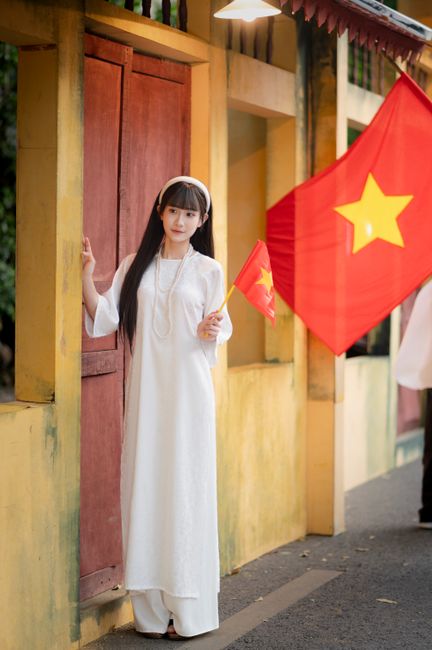
More than just a beautiful dress, the Ao Dai is a powerful symbol of Vietnamese identity, resilience, and cultural pride. It represents the grace, elegance, and strength of Vietnamese women and serves as a tangible link to the country's rich history and traditions.
When I wear my Ao Dai, I feel connected to my heritage in a way that no other garment can achieve. It's a reminder of my ancestors, my culture, and my identity as a Vietnamese woman. It's a feeling I wish everyone could experience.
The Ao Dai is a living testament to the enduring power of Vietnamese culture. It's a garment that has evolved over centuries, adapting to changing times while remaining true to its essence. It's a symbol of the past, present, and future of Vietnam, and I am proud to wear it.
So, whether you're Vietnamese or simply appreciate the beauty and artistry of the Ao Dai, I hope this article has given you a deeper understanding of this iconic garment. It's more than just a dress; it's a story, a symbol, and a celebration of Vietnamese culture.

Post a Comment for "Vietnamese Ao Dai: A Journey Through Elegance, Tradition, and Modern Style"
Post a Comment