Understanding Vietnamese Family: Ancestor Worship, Traditions, and Deep Connections
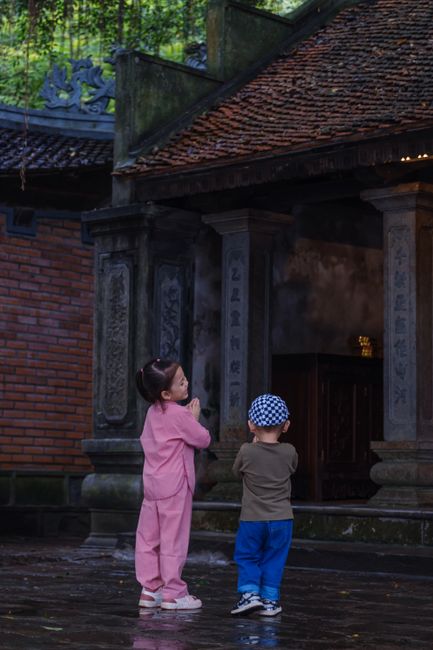
Understanding Vietnamese Family: Ancestor Worship, Traditions, and Deep Connections
Hey there! Ever been curious about Vietnamese culture? Maybe you've enjoyed some delicious pho, or perhaps you've met someone with Vietnamese heritage and wondered about their family life. Trust me, there's a richness and depth to it that's truly captivating. Today, I want to share my understanding of Vietnamese family culture, focusing especially on the beautiful and important practice of ancestor worship. It's something incredibly special that binds generations together.
The Heart of Vietnamese Culture: Family First
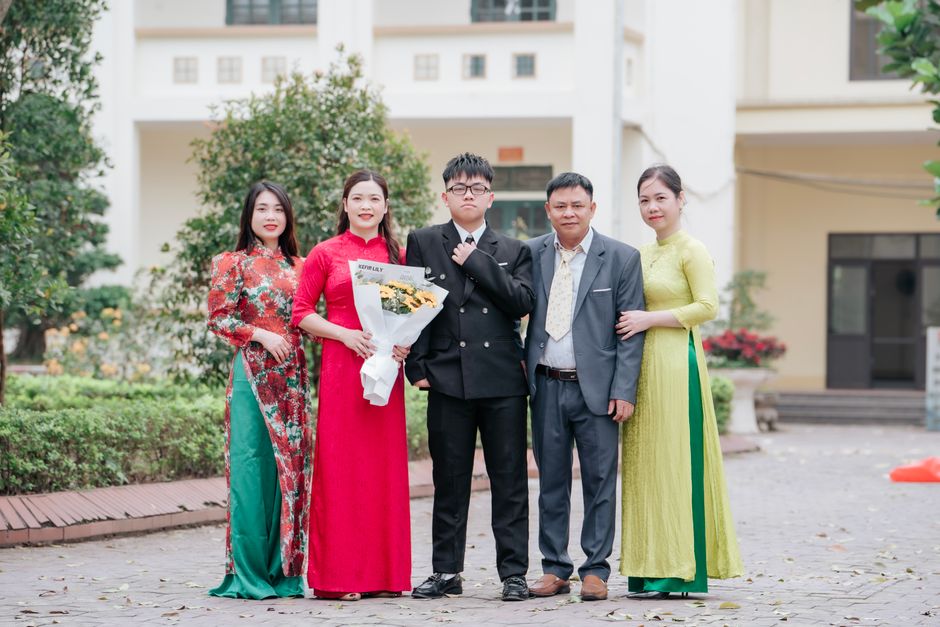
Family, in Vietnamese culture, isn't just about immediate relatives. It's an expansive, interconnected web of aunts, uncles, cousins, and grandparents, all playing significant roles in each other's lives. Forget that Western idea of 'flying the nest' at 18! In many Vietnamese families, living at home is the norm well into adulthood, and often for life. I've seen firsthand how multiple generations living under one roof creates a strong sense of community and mutual support.
Think of it like this: the family is the cornerstone of Vietnamese society. It's where values are taught, traditions are passed down, and where you find unwavering love and support. It's a responsibility, yes, but also an immense privilege and source of strength. It goes beyond just blood relation; it's a shared history, a shared identity, and a commitment to each other's well-being.
Respect and Hierarchy: A Foundation of Vietnamese Family Life
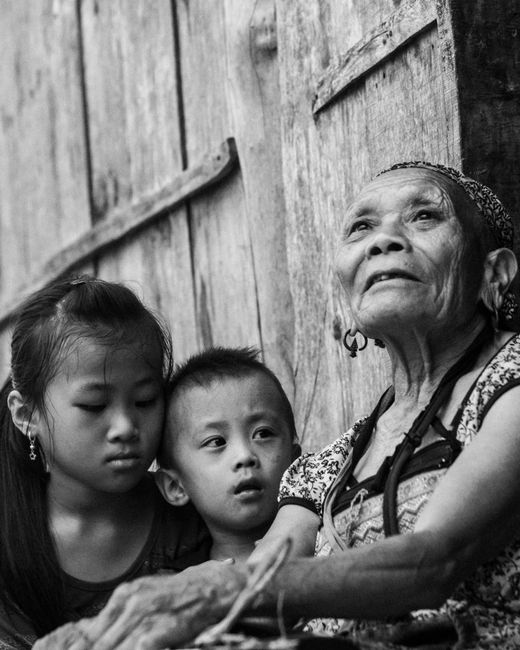
One thing you'll quickly notice in a Vietnamese family is the clear hierarchy. Age and experience are highly valued. Children are taught to respect their elders implicitly. This respect isn't just lip service; it's woven into every aspect of interaction. The way you speak, your body language, and the choices you make are all influenced by a desire to honor your parents and grandparents.
This hierarchical structure isn't about oppression, though. It's about guidance and wisdom. Elders are seen as the keepers of knowledge and tradition, and their advice is sought out and highly valued. I remember growing up, my grandmother always had the final say, and honestly, she was usually right! Her years of experience and understanding of life always seemed to guide us towards the best decisions.
Here are a few ways this respect manifests:
- Language: There are different pronouns and verb conjugations used when speaking to someone older or of higher status.
- Serving meals: The elders are always served first.
- Seeking permission: Important decisions, like marriage or career changes, are often discussed with and approved by parents or grandparents.
Ancestor Worship: Connecting with the Past

Now, let's dive into the heart of this article: ancestor worship. This is arguably the most profound expression of Vietnamese family values. It's far more than just remembering deceased relatives; it's a deeply spiritual practice that believes the spirits of ancestors continue to influence the lives of their descendants.
Growing up, I remember the ancestral altar being the focal point of our home. It wasn't just a piece of furniture; it was a sacred space where we connected with our family history. My grandmother would meticulously clean and maintain it, ensuring everything was in its proper place. The altar typically contains photos of deceased family members, along with incense burners, candles, and offerings of food and flowers.
The belief is that the spirits of our ancestors are always present, watching over us and offering guidance. By honoring them through rituals and offerings, we show our gratitude and maintain a positive relationship. We believe they can bring blessings and good fortune to the family, and conversely, neglecting them could lead to misfortune.
The Ancestral Altar: A Portal to the Spirit World

The ancestral altar isn't just a decorative piece; it's a powerful symbol of connection to the past. It's a dedicated space to honor and communicate with deceased ancestors. It's usually placed in a prominent location in the house, often in the living room. Let's break down the typical components of an ancestral altar:
- Ancestor Portraits: These are central to the altar. They visually represent the ancestors being honored.
- Incense Burner ( lư hương): Incense is burned daily, as the smoke is believed to carry prayers and communication to the spirit world.
- Candlesticks: Candles are lit to provide light and warmth for the ancestors.
- Offerings ( trái cây, hoa, thức ăn): Fruits, flowers, and food are offered regularly, especially on special occasions and anniversaries. These offerings are seen as a way to nourish and please the ancestors.
- Teacups: Small teacups are often placed on the altar, symbolizing hospitality and respect.
- Vase of Flowers ( bình hoa): Fresh flowers are often placed on the altar, adding beauty and fragrance to the sacred space.
Rituals and Offerings: How We Honor Our Ancestors

Ancestor worship involves a variety of rituals and offerings performed throughout the year. These rituals aren't just empty gestures; they're heartfelt expressions of love, respect, and gratitude. Here are some common practices:
- Daily Incense Burning: This is the most common practice. Incense is burned daily, usually in the morning and evening, as a sign of respect and to invite the ancestors to be present in the home.
- Death Anniversaries ( ngày giỗ): These are very important occasions. On the anniversary of an ancestor's death, families gather for a special meal and perform elaborate rituals. The food offered is often the ancestor's favorite dishes.
- Tet (Vietnamese New Year): Tet is the most important festival in Vietnamese culture, and ancestor worship plays a central role. Families clean and decorate the ancestral altar, offer special foods like bánh chưng (sticky rice cake), and pray for blessings in the coming year.
- Full Moon Days ( ngày rằm): On the full moon of each month, families often offer vegetarian meals and pray for peace and prosperity.
- Tomb Sweeping Day ( Thanh Minh): On this day, families visit the graves of their ancestors to clean and repair them. They also bring offerings of food and incense.
The Impact of Ancestor Worship on Daily Life

Ancestor worship isn't just a religious practice; it profoundly impacts daily life in Vietnam. It influences everything from family dynamics to business decisions.
Moral Compass: Knowing that your ancestors are watching over you encourages moral behavior. There's a sense of responsibility to uphold the family name and avoid bringing shame to your ancestors.
Family Unity: The shared practice of ancestor worship strengthens family bonds. It provides a common purpose and a sense of belonging.
Decision Making: In some families, important decisions are even made with the guidance of ancestors. This might involve consulting a fortune teller or performing rituals to seek their blessing.
Business Success: Many Vietnamese businesses dedicate a space for ancestor worship, believing that honoring their ancestors will bring them good luck and prosperity. Opening a new business often involves rituals and offerings to ensure the ancestors' blessings.
Modern Challenges and Adaptations
While ancestor worship remains a vital part of Vietnamese culture, it's also facing challenges in the modern world. Urbanization, globalization, and changing social values are impacting traditional practices.
Urban Living: In crowded cities, space is often limited, making it difficult to maintain a traditional ancestral altar. Some families have adapted by creating smaller altars or using digital images of ancestors.
Globalization: Exposure to Western values and lifestyles can lead to a decline in traditional beliefs and practices, especially among younger generations.
Secularization: As Vietnam becomes more economically developed, there's a growing trend towards secularism, with some people questioning the traditional beliefs surrounding ancestor worship.
However, even with these challenges, ancestor worship continues to be an important part of Vietnamese identity. Many young Vietnamese people are finding ways to adapt and preserve these traditions, ensuring they are passed down to future generations.
Tips for Respecting Vietnamese Family Culture and Ancestor Worship
If you're ever invited to a Vietnamese home, or if you're interacting with someone of Vietnamese heritage, here are a few tips to show your respect for their culture and traditions:
- Observe the hierarchy: Show respect for elders. Address them using appropriate titles and listen to their advice.
- Be mindful of the ancestral altar: If you see an ancestral altar in a home, be respectful. Avoid touching anything on the altar without permission.
- Participate in rituals (if invited): If you're invited to participate in a ritual, do so with sincerity and respect. Follow the lead of the elders and ask questions if you're unsure of what to do.
- Ask questions: Show your genuine interest by asking questions about Vietnamese culture and traditions.
- Avoid being overly critical: Even if you don't fully understand the beliefs and practices surrounding ancestor worship, avoid being critical or dismissive. Remember, this is a deeply personal and meaningful practice for many Vietnamese people.
My Personal Connection to Ancestor Worship

For me, ancestor worship isn't just an abstract concept; it's a tangible part of my life. It's the smell of incense filling the air, the taste of bánh tét (savory sticky rice cake) during Tet, and the stories my grandmother shared about our family history.
It's about feeling connected to something bigger than myself, knowing that I'm part of a long line of ancestors who have shaped who I am today. It's a reminder of my responsibilities to my family and community, and a source of strength and guidance in my life.
While I may not always adhere to every traditional practice, I deeply respect the values and beliefs that underpin ancestor worship. It's a reminder of the importance of family, tradition, and connection to the past.
Embracing the Beauty of Vietnamese Family Culture
Understanding Vietnamese family culture and ancestor worship is like opening a window into a rich and beautiful world. It's about appreciating the deep connections, the unwavering respect, and the profound spirituality that define Vietnamese identity.
Whether you're planning a trip to Vietnam, interacting with someone of Vietnamese heritage, or simply curious about different cultures, I hope this article has given you a deeper appreciation for the beauty and complexity of Vietnamese family life. Remember, at its heart, it's about love, respect, and a profound connection to the past.

Post a Comment for "Understanding Vietnamese Family: Ancestor Worship, Traditions, and Deep Connections"
Post a Comment