Trekking Sapa: Your Guide to Unforgettable Adventures, From Gentle Strolls to Epic Treks

Trekking Sapa: Your Guide to Unforgettable Adventures, From Gentle Strolls to Epic Treks
Hey there, fellow adventurer! So, you're thinking about trekking in Sapa, Vietnam? Awesome choice! I've been there, done that (multiple times!), and I'm here to tell you – it's absolutely magical. From the vibrant rice terraces cascading down the hillsides to the warm smiles of the local Hmong and Dao people, Sapa is a feast for the senses. But with so many options, figuring out the right trek can feel a bit overwhelming. That's where I come in. Let's break down everything you need to know, from gentle walks suitable for beginners to epic multi-day expeditions for seasoned hikers.
Choosing Your Sapa Trek: Finding the Perfect Fit

Before you even pack your boots, you need to decide what kind of trekking experience you're after. Are you looking for a leisurely stroll through the rice paddies, soaking in the scenery and snapping photos? Or are you craving a challenging adventure that pushes your limits and takes you deep into the heart of the mountains? Here's a few things to consider:
- Your Fitness Level: Be honest with yourself! A multi-day trek is no joke, especially with Sapa's hilly terrain. If you haven't been hitting the gym regularly, start with something easier.
- Your Time: How long do you have? Sapa treks can range from a few hours to several days. Factor in travel time to and from Sapa as well.
- Your Budget: Trekking costs vary depending on the length, difficulty, and whether you hire a guide or go it alone (more on that later!).
- Your Interests: Are you keen to learn about local culture? Do you want to stay in homestays and immerse yourself in village life? Or are you more focused on the physical challenge of the trek itself?
Once you have a clearer picture of what you're looking for, you can start researching specific treks.
Easy Sapa Treks: Perfect for Beginners and Families
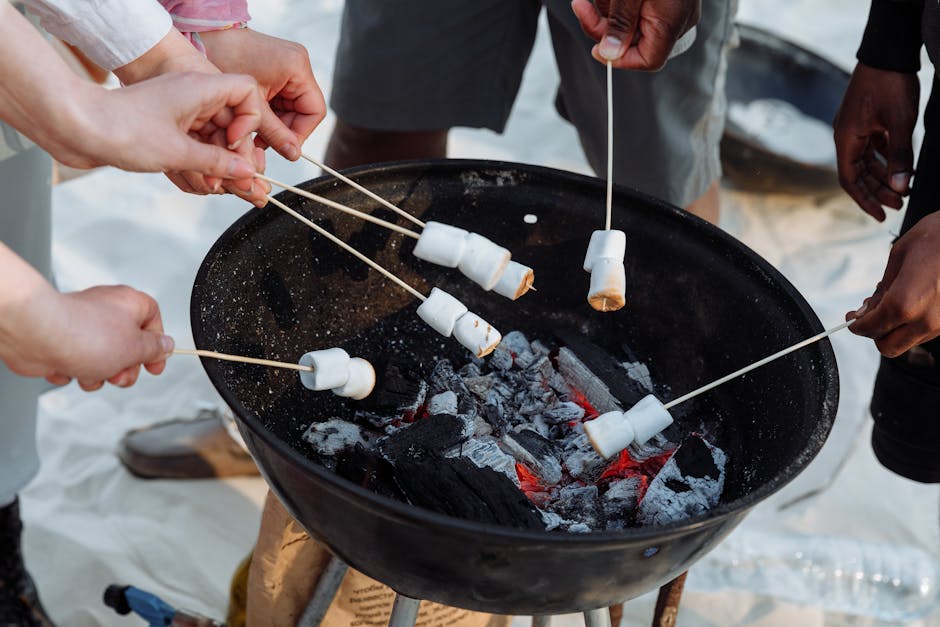
If you're new to trekking, or you're travelling with kids, don't worry! Sapa has plenty of easy options that still offer stunning views and cultural experiences. These treks usually involve relatively short distances, gentle slopes, and well-maintained paths.
Cat Cat Village Trek: This is probably the most popular easy trek in Sapa. It's a relatively short downhill walk (around 3 km) from Sapa town to Cat Cat village, home to the Black Hmong people. You'll see traditional houses, handicraft workshops, and a picturesque waterfall. Be prepared for a bit of a climb back up, or you can opt for a motorbike taxi. While it's heavily touristed, it's still a beautiful introduction to the region. Entry fee applies.
Lao Chai and Ta Van Villages Trek (via Y Linh Ho): This is another great option for beginners. You can start your trek in Sapa town and walk downhill through the stunning Muong Hoa Valley to Y Linh Ho village. From there, you continue to Lao Chai and Ta Van villages, home to the Black Hmong and Giay people respectively. The scenery is incredible, with rice terraces stretching as far as the eye can see. You can arrange for a driver to pick you up in Ta Van, or stay overnight in a homestay. This trek is roughly 9-12km depending on the exact route.
Sin Chai Village Trek: Often overlooked, Sin Chai is a quieter alternative to Cat Cat. It's a bit further from Sapa town (about 4km), but the trek offers a more authentic experience. You'll walk through beautiful rice terraces and pass by traditional Hmong houses. The village is less touristy than Cat Cat, giving you a chance to see a more traditional way of life. The trek is fairly easy, with some gentle slopes.
What to Expect on Easy Treks:
- Relatively flat terrain with some gentle inclines.
- Well-maintained paths, often paved or dirt tracks.
- Short distances, typically under 10km.
- Opportunities to interact with local people and learn about their culture.
- Easier access to transportation and amenities.
Moderate Sapa Treks: Stepping Up the Challenge

Ready to push yourself a little further? Moderate Sapa treks offer a good balance of physical challenge and cultural immersion. These treks typically involve longer distances, steeper slopes, and more remote locations.
Trekking to Fansipan Peak (via cable car, then a hike): Okay, technically this involves using the cable car to significantly reduce the climbing, but it still requires a decent level of fitness to complete the final ascent to the summit. After taking the cable car to near the top, you'll need to climb hundreds of steps and navigate some rocky terrain to reach the peak of Fansipan, the highest mountain in Indochina. The views from the top are breathtaking (if the weather cooperates!).
Trekking to Su Pan Village: Su Pan village offers stunning views and a less travelled experience than some of the other treks in the area. It's a steep climb to reach the village, through rice terraces and past Hmong communities. This trek is best for those in good physical condition and looking for an authentic cultural experience.
Trekking to Lao Chai, Ta Van, and Giang Ta Chai Villages: This is a longer version of the easy trek mentioned above, and includes a visit to Giang Ta Chai village, home to the Red Dao people. The trek involves more challenging terrain and longer distances, but it's still manageable for most people with a reasonable level of fitness. You can stay overnight in a homestay in one of the villages.
What to Expect on Moderate Treks:
- Longer distances, typically between 10km and 15km per day.
- Steeper slopes and more challenging terrain.
- Some sections may involve scrambling over rocks or crossing streams.
- More remote locations with fewer amenities.
- Opportunities for cultural immersion, including homestays and village visits.
Multi-Day Sapa Treks: The Ultimate Adventure

For the ultimate Sapa adventure, consider a multi-day trek. These treks take you deep into the mountains, away from the crowds, and offer a truly immersive experience. Be prepared for challenging terrain, long days of hiking, and basic accommodation.
Trekking to Fansipan Peak (Multiple Days, without Cable Car Option): This is the ultimate challenge for experienced hikers. Trekking to the summit of Fansipan without the cable car is a demanding undertaking that requires excellent physical fitness and a good level of experience. The trek usually takes 2-3 days and involves steep climbs, rocky terrain, and unpredictable weather. You'll need to hire a guide and porter, and be prepared for basic camping conditions.
Trekking through the Muong Hoa Valley to Remote Villages: This trek takes you through the heart of the Muong Hoa Valley, visiting remote villages that are rarely visited by tourists. You'll hike through stunning rice terraces, cross rivers, and climb steep hills. You'll stay in homestays in local villages, experiencing the traditional way of life firsthand. This trek usually takes 2-4 days, depending on the route and your fitness level. Be prepared for basic conditions and limited amenities.
Trekking to Bac Ha Market (Combine Trekking & Market Visit): This option combines the beauty of Sapa trekking with a visit to the vibrant Bac Ha Market, held every Sunday. You'll trek through the mountains to Bac Ha, passing through remote villages and stunning landscapes. After visiting the market, you can take a bus or train back to Sapa or Hanoi. This trek usually takes 2-3 days.
What to Expect on Multi-Day Treks:
- Long distances, typically over 15km per day.
- Challenging terrain, including steep climbs, rocky paths, and river crossings.
- Basic accommodation, often in homestays with limited facilities.
- Unpredictable weather, including rain, fog, and cold temperatures.
- Opportunities for unparalleled cultural immersion and stunning scenery.
Hiring a Guide vs. Trekking Independently
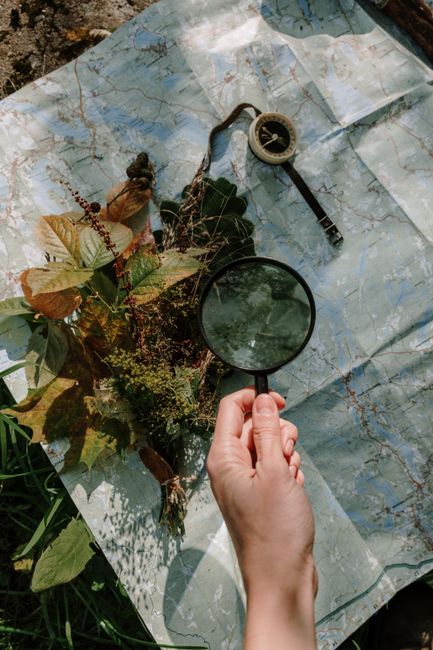
One of the biggest decisions you'll need to make is whether to hire a guide or trek independently. There are pros and cons to both options.
Hiring a Guide:
Pros:
- Local Knowledge: Guides have invaluable knowledge of the terrain, trails, and local culture.
- Safety: They can help you navigate challenging terrain and avoid getting lost.
- Cultural Immersion: Guides can act as translators and introduce you to local people.
- Support for the Local Economy: Hiring a guide directly supports the local community.
- Less Stress: They can handle logistics like accommodation and transportation.
Cons:
- Cost: Hiring a guide adds to the overall cost of your trek.
- Less Freedom: You'll need to stick to the guide's itinerary.
Trekking Independently:
Pros:
- Cost Savings: You'll save money on guide fees.
- Flexibility: You can set your own pace and itinerary.
- Sense of Adventure: You'll have a greater sense of accomplishment.
Cons:
- Risk of Getting Lost: Trails can be poorly marked, and it's easy to get disoriented.
- Language Barrier: Communicating with locals can be difficult without a guide.
- Safety Concerns: You'll be responsible for your own safety.
- Less Cultural Immersion: You may miss out on opportunities to learn about local culture.
My recommendation? For most people, especially beginners, hiring a local guide is the way to go. It's safer, more informative, and supports the local economy. Plus, you'll get a much deeper understanding of the culture and the region. Just make sure to choose a reputable guide with good reviews.
What to Pack for Your Sapa Trek
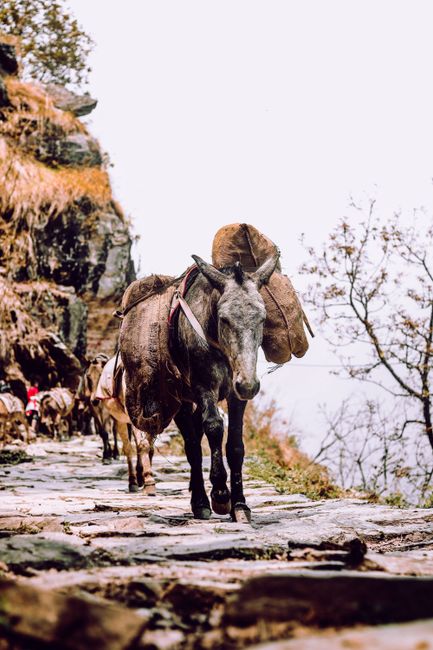
Packing the right gear is crucial for a successful Sapa trek. Here's a basic packing list:
- Hiking boots: Broken-in and comfortable.
- Hiking socks: Moisture-wicking and blister-resistant.
- Lightweight, quick-drying pants or shorts.
- Moisture-wicking t-shirts.
- Long-sleeved shirt or fleece jacket.
- Waterproof jacket and pants.
- Hat and sunglasses.
- Sunscreen.
- Insect repellent.
- Water bottle or hydration pack.
- Headlamp or flashlight.
- First-aid kit.
- Small backpack (20-30 liters).
- Camera.
- Cash (Vietnamese Dong).
For multi-day treks, you'll also need:
- Sleeping bag (if not provided by the homestay).
- Toiletries.
- Change of clothes.
Pro Tip: Pack light! You'll be carrying everything yourself, so don't bring anything you don't absolutely need. You can always buy things in Sapa town if you forget something.
Respecting the Local Culture

Sapa is home to several ethnic minority groups, including the Hmong, Dao, Tay, and Giay people. It's important to be respectful of their culture and customs. Here are a few things to keep in mind:
- Dress modestly, especially when visiting villages.
- Ask for permission before taking photos of people.
- Be mindful of your noise level, especially in residential areas.
- Don't give money or candy to children. Instead, support local businesses by buying handicrafts or other products.
- Learn a few basic Vietnamese phrases, such as "Xin chào" (hello) and "Cảm ơn" (thank you).
By being respectful and mindful, you can help ensure that your visit has a positive impact on the local community.
So there you have it – my guide to trekking in Sapa! Whether you're a seasoned hiker or a complete beginner, there's a trek out there for you. Just remember to do your research, pack the right gear, and be respectful of the local culture. And most importantly, have fun! Sapa is an incredible place, and I guarantee you'll have an unforgettable experience.

Post a Comment for "Trekking Sapa: Your Guide to Unforgettable Adventures, From Gentle Strolls to Epic Treks"
Post a Comment