Trekking Pu Luong: Unveiling Vietnam's Hidden Rice Terraces & Remote Village Charm

Trekking Pu Luong: Unveiling Vietnam's Hidden Rice Terraces & Remote Village Charm
Okay, friend, lean in close because I'm about to let you in on a little secret – a slice of Vietnam that feels a world away from the bustling cities and tourist hotspots. I'm talking about Pu Luong Nature Reserve, a place where rice terraces cascade down hillsides like emerald waterfalls and where life moves at a pace dictated by the rhythm of the seasons. My trekking experience there was nothing short of magical, and I'm itching to share all the juicy details with you. Think fewer crowds, genuine cultural immersion, and landscapes that will genuinely take your breath away.
Why Pu Luong? My Personal Pull

Before diving into the nitty-gritty of trekking, let me tell you why Pu Luong grabbed my heart in the first place. I was craving something authentic, a destination that hadn't been overly polished for tourism. I wanted to connect with the land, learn about local traditions, and challenge myself physically without fighting through throngs of people. After some research (and a healthy dose of wanderlust-fueled internet scrolling), Pu Luong emerged as the perfect candidate. The pictures I saw – vibrant green rice paddies carved into the hills, traditional stilt houses dotting the landscape, smiling faces of the local Thai and Muong people – sealed the deal. It promised adventure, cultural richness, and a hefty dose of serenity. And let me tell you, it delivered in spades.
Planning Your Pu Luong Trek: Essential Tips

Alright, now let's get practical. Planning a trek in Pu Luong requires a bit of forethought, but don't worry, it's totally doable. Here's what I learned:
- Best Time to Visit: The ideal time to trek Pu Luong is during the rice planting and harvesting seasons. This typically falls between:
- May to June: The rice terraces are lush green, a vibrant spectacle.
- September to October: The golden harvest season, offering stunning views of ripe rice fields.
Avoid the rainy season (July-August) as trails can become slippery and challenging.
- Duration of Trek: You can choose treks ranging from one day to several days, depending on your fitness level and how much you want to explore. I opted for a 3-day/2-night trek, which I felt was a good balance.
- Accommodation: You can choose between staying in eco-lodges, homestays, or a combination of both. Homestays offer a more immersive cultural experience, allowing you to connect with local families. Eco-lodges provide more comfortable amenities. I mixed it up, spending one night in a homestay and one in a lodge, and I recommend doing the same.
- What to Pack: This is crucial!
- Comfortable Trekking Shoes: Non-negotiable. Trust me, your feet will thank you.
- Lightweight, Quick-Drying Clothing: The weather can be unpredictable, so layers are your friend.
- Rain Gear: Even if it's not the rainy season, a light raincoat is always a good idea.
- Insect Repellent: The mosquitos are relentless!
- Sunscreen and Hat: Protect yourself from the sun, especially during midday.
- Water Bottle: Staying hydrated is essential.
- First-Aid Kit: Include essentials like bandages, antiseptic wipes, and pain relievers.
- Cash: While some lodges and restaurants may accept cards, it's always a good idea to have cash on hand, especially when visiting remote villages.
- Booking a Guide: While it's possible to trek independently, I highly recommend hiring a local guide. Not only will they lead you through the best trails and ensure your safety, but they also provide invaluable insights into the local culture and environment. My guide, Mai, was an absolute gem – she shared stories about her family, explained the rice cultivation process, and even taught me a few basic Vietnamese phrases. Plus, supporting the local community is always a win!
My Pu Luong Trekking Itinerary: A Day-by-Day Account
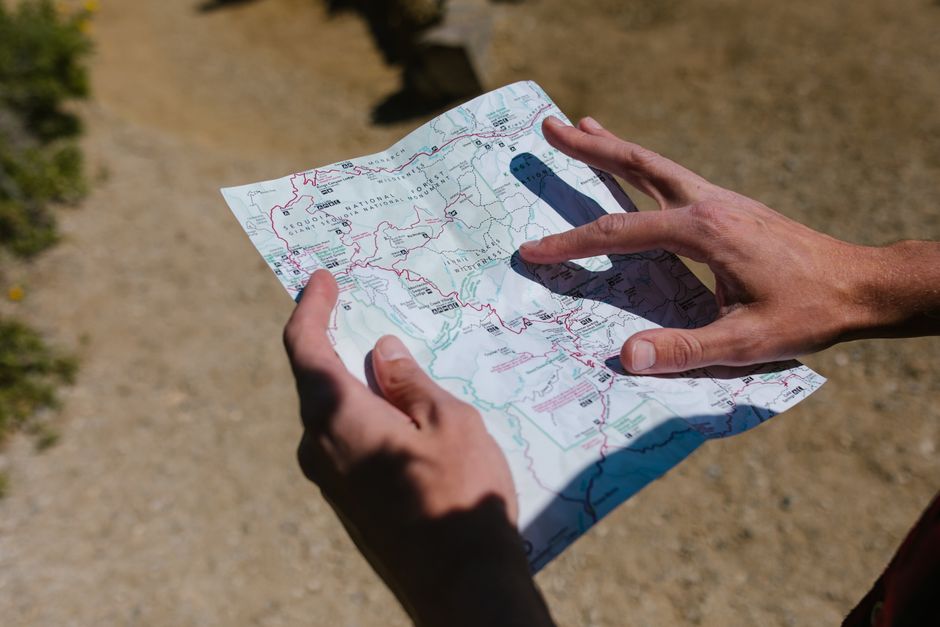
Ready to join me on the trek? Here's a glimpse into my 3-day Pu Luong adventure:
Day 1: Arrival and Village Immersion
My journey began with a scenic transfer from Hanoi. The drive itself was a feast for the eyes, with landscapes transforming from urban sprawl to rolling hills and finally, the breathtaking Pu Luong valley. After settling into my homestay in a small village, I spent the afternoon exploring the surrounding area with Mai. We wandered through rice paddies, met local farmers tending their crops, and visited a traditional water wheel. The evening was spent sharing a delicious home-cooked meal with my host family – a truly humbling experience. Their warmth and hospitality were infectious, and I felt instantly welcomed into their home.
Day 2: Conquering the Rice Terraces
Day two was all about tackling the iconic rice terraces. The trek was moderately challenging, with steep ascents and descents, but the views were more than worth the effort. We hiked through winding paths, passing by cascading rice fields, lush forests, and hidden waterfalls. Mai shared fascinating facts about the local flora and fauna, pointing out medicinal plants and explaining the intricate irrigation system that sustains the rice cultivation. We stopped for lunch at a local eatery, savoring traditional Vietnamese dishes like "pho" and fresh spring rolls. In the afternoon, we visited a remote village inhabited by the Thai ethnic group, learning about their unique customs and traditions. That night, I stayed in a comfortable eco-lodge with stunning views of the valley.
Day 3: Bamboo Rafting and Farewell
My final day in Pu Luong started with a thrilling bamboo rafting experience on the Cham River. Drifting down the river, surrounded by towering limestone cliffs and lush greenery, was an incredibly peaceful and serene experience. After the rafting, we visited a local market, where I picked up some souvenirs and enjoyed some delicious street food. Saying goodbye to Mai and Pu Luong was bittersweet. I felt a sense of accomplishment for completing the trek, but also a pang of sadness at leaving this beautiful and enchanting place. I knew, however, that I would carry the memories of my Pu Luong adventure with me forever.
Must-See Spots and Hidden Gems
While the entire Pu Luong region is stunning, here are a few specific spots that really stood out during my trek:
- Hieu Waterfall: A multi-tiered waterfall cascading down limestone rocks, offering a refreshing swim.
- Kho Muong Cave: An impressive cave system with stunning stalactites and stalagmites.
- Bat Cave: Home to thousands of bats, a truly unique and fascinating sight.
- Don Village: A traditional Thai village known for its well-preserved stilt houses and vibrant culture.
- The Rice Terraces near Ban Hieu: Arguably the most scenic rice terraces in Pu Luong, offering breathtaking views.
Don't be afraid to wander off the beaten path! Some of the most rewarding experiences come from exploring smaller, less-visited villages and interacting with the locals. That's where you find the true heart of Pu Luong.
Ethical Considerations: Trekking Responsibly

As a responsible traveler, it's important to be mindful of the impact your visit has on the local environment and community. Here are a few tips for trekking ethically in Pu Luong:
- Support Local Businesses: Choose locally owned guesthouses, restaurants, and tour operators.
- Respect Local Customs and Traditions: Dress modestly when visiting villages and religious sites. Ask permission before taking photos of people.
- Minimize Your Environmental Impact: Pack out all your trash, avoid using single-use plastics, and conserve water.
- Be Mindful of Wildlife: Do not disturb or feed animals.
- Learn a Few Basic Vietnamese Phrases: It shows respect and helps you connect with the locals.
Beyond the Trek: Extending Your Pu Luong Experience

If you have more time, consider extending your stay in Pu Luong and exploring the surrounding area. You could:
- Visit Mai Chau: Another beautiful valley known for its rice terraces and White Thai culture.
- Explore Cuc Phuong National Park: Vietnam's oldest national park, home to a diverse range of flora and fauna.
- Relax in Ninh Binh: A stunning landscape of limestone karsts and rice paddies, often referred to as "Halong Bay on land."
My Final Thoughts: Go Chase Those Rice Terraces!
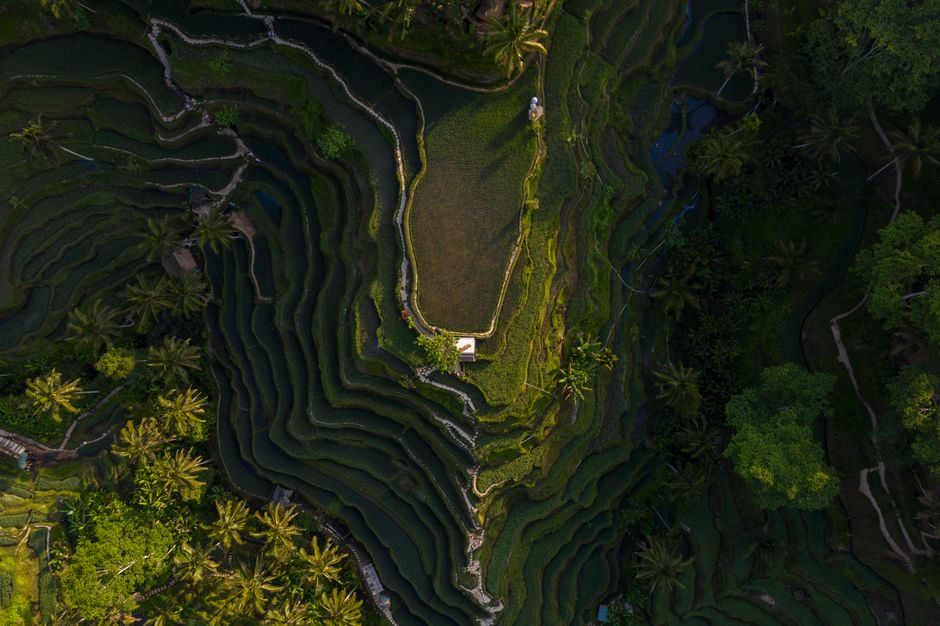
Trekking in Pu Luong was more than just a physical challenge; it was a journey of discovery, a chance to connect with nature, and an opportunity to immerse myself in a different culture. The stunning landscapes, the warm hospitality of the locals, and the sense of adventure made it an unforgettable experience. If you're looking for an authentic and off-the-beaten-path travel destination, I wholeheartedly recommend adding Pu Luong to your list. It's a place that will stay with you long after you've left, a reminder of the beauty and simplicity of life in the Vietnamese countryside. So, pack your bags, lace up your hiking boots, and get ready to be amazed!

Post a Comment for "Trekking Pu Luong: Unveiling Vietnam's Hidden Rice Terraces & Remote Village Charm"
Post a Comment