Tra Su Cajuput Forest: A Birdwatcher's Paradise and Ecosystem Gem
Tra Su Cajuput Forest: A Birdwatcher's Paradise and Ecosystem Gem
Have you ever felt that irresistible pull to escape the concrete jungle, to trade the city's cacophony for nature's symphony? I certainly have! That's what led me, camera in hand and binoculars at the ready, to Tra Su Cajuput Forest in Vietnam. It's a place that completely exceeded my expectations, becoming more than just a beautiful landscape; it became an unforgettable immersion into a thriving ecosystem and a birdwatcher's dream.
Discovering Tra Su: More Than Just a Pretty Picture

Nestled in the An Giang province of the Mekong Delta, Tra Su Cajuput Forest is a sprawling haven of cajuput trees, water canals, and teeming wildlife. Before I went, I'd seen the stunning photos online: boats gliding through emerald-green water, reflections shimmering on the surface, and birds soaring through the sky. But trust me, no picture can truly capture the feeling of being there. The sheer scale of the forest, the humidity in the air, and the sounds of nature all combine to create a truly immersive experience.
The term "cajuput" might sound unfamiliar, but these trees are the backbone of this unique ecosystem. They're a type of eucalyptus, known for their distinctive papery bark and fragrant oil, which has medicinal properties. The cajuput trees provide shade, shelter, and a vital food source for countless animals, including, most notably, a staggering variety of bird species.
A Birdwatcher's Mecca: Identifying Feathers and Flight Patterns

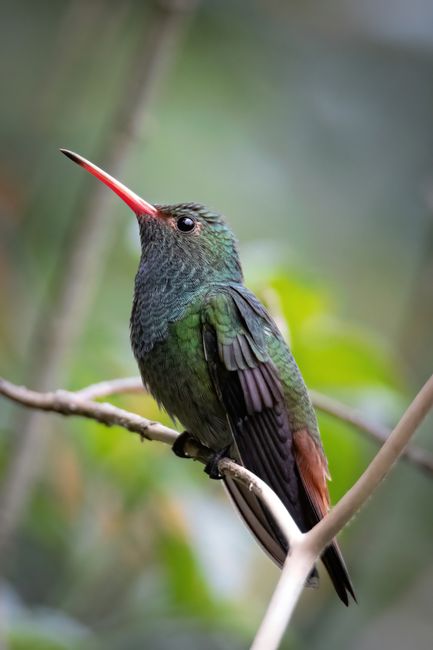
Okay, confession time: I'm not a professional ornithologist. I'm more of an enthusiastic amateur when it comes to birdwatching. But even with my limited knowledge, I was absolutely blown away by the avian diversity in Tra Su. I mean, seriously, prepare to be dazzled! From the moment I stepped onto the boat, it was like being in a real-life nature documentary.
I'd spent some time researching beforehand, armed with a trusty bird identification book, and I'm so glad I did. It helped me spot and identify some of the more common (and not-so-common) residents. Here are just a few of the feathered friends I encountered:
- Asian Openbill Stork (Anastomus oscitans): These large storks with their distinctive gap in their beaks were a common sight, wading in the shallow water and searching for snails. Their call is surprisingly loud, a sort of clattering sound.
- Purple Heron (Ardea purpurea): These elegant herons, with their slender bodies and long necks, were masters of disguise, blending seamlessly with the reeds along the canal banks. I spotted them patiently waiting for their next meal.
- Little Egret (Egretta garzetta): These smaller, white herons were everywhere, darting around and actively hunting for fish. Their bright yellow feet were a pop of color against the green backdrop.
- Cormorants (Phalacrocorax carbo): These dark, almost prehistoric-looking birds were often seen perched on branches, wings outstretched to dry in the sun after a diving session.
- Various Kingfishers: Oh, the kingfishers! I saw several different species, each one more vibrant than the last. From the Common Kingfisher with its brilliant blue plumage to the White-throated Kingfisher with its striking colors, they were a real treat to see.
Beyond these, I also caught glimpses of bitterns, swamphens, and a whole host of smaller songbirds flitting through the trees. The sheer variety was truly breathtaking. One thing I quickly learned was that patience is key. The more time you spend observing, the more you'll see.
The Ecosystem at Work: A Delicate Balance
Tra Su isn't just about the birds, though they certainly steal the show. It's a complex and interconnected ecosystem where everything plays a role. The cajuput trees, of course, are fundamental. Their leaves, which fall into the water, decompose and create a nutrient-rich environment that supports a thriving aquatic ecosystem. This, in turn, provides food for the birds, fish, and other animals that call Tra Su home.
The waterways are just as important. They act as highways for wildlife, connecting different parts of the forest and providing breeding grounds for fish and invertebrates. The water levels fluctuate throughout the year, depending on the season, which creates a dynamic environment that constantly changes.
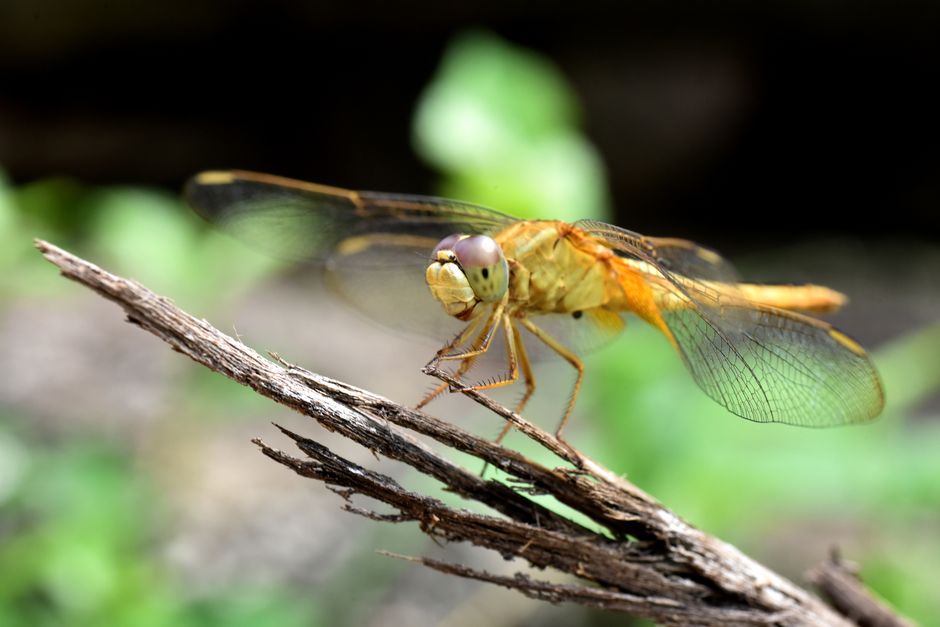
And let's not forget the insects! While I'm not always a fan of bugs, they are a crucial part of the food chain. From dragonflies patrolling the skies to countless smaller insects buzzing around the trees, they provide sustenance for many of the birds and other animals.
It struck me how delicate this balance is. The forest relies on the health of the cajuput trees, the quality of the water, and the presence of a diverse range of species. Any disturbance to this delicate web of life could have serious consequences for the entire ecosystem.
Navigating Tra Su: Tips for an Unforgettable Visit
Okay, so you're convinced you need to visit Tra Su, right? Excellent! Here are a few tips to make your trip even more enjoyable:
- Go early in the morning or late in the afternoon: This is when the birds are most active, and the light is at its best for photography. Plus, it's cooler and less crowded.
- Bring binoculars: Trust me, you'll want a good pair of binoculars to get a closer look at the birds and other wildlife.
- Wear comfortable, lightweight clothing: It can get hot and humid, so breathable fabrics are essential.
- Apply sunscreen and insect repellent: Protect yourself from the sun and mosquitoes.
- Hire a local guide: A guide can provide valuable insights into the forest's ecosystem and help you spot birds and other wildlife that you might otherwise miss. They also know the best spots for viewing and photography.
- Be respectful of the environment: Avoid littering, stay on the designated paths, and don't disturb the wildlife.
- Bring a camera: You'll want to capture the beauty of Tra Su, so don't forget your camera! A telephoto lens is ideal for bird photography.
When you arrive, you'll likely purchase a ticket that includes a boat tour. This is the main way to explore the inner waterways of the forest. The small boats are usually powered by a motor, taking you through the narrow canals. Later, you'll transfer to a smaller, manually rowed sampan for an even quieter and more intimate experience. This is where you can truly appreciate the serenity of the forest.
Conservation Efforts: Protecting Tra Su for Future Generations

The preservation of Tra Su Cajuput Forest is crucial, not just for its incredible biodiversity but also for the local communities who depend on it for their livelihoods. Thankfully, there are ongoing conservation efforts to protect the forest from threats such as deforestation, pollution, and unsustainable tourism.
These efforts include:
- Reforestation programs: Planting new cajuput trees to restore degraded areas and expand the forest cover.
- Water management: Maintaining water quality and regulating water levels to ensure a healthy ecosystem.
- Community involvement: Engaging local communities in conservation efforts and providing them with sustainable economic alternatives.
- Ecotourism: Promoting responsible tourism that minimizes environmental impact and benefits local communities.
By supporting these initiatives, we can help ensure that Tra Su Cajuput Forest remains a haven for wildlife and a source of wonder for generations to come.
My Personal Reflections: More Than Just a Trip

My trip to Tra Su Cajuput Forest was more than just a vacation; it was an education. It opened my eyes to the beauty and complexity of nature and reminded me of the importance of conservation. I left with a deeper appreciation for the interconnectedness of life and a renewed commitment to protecting our planet's precious ecosystems.
Beyond the birds and the scenery, I was also touched by the warmth and hospitality of the local people. They were proud of their forest and eager to share its beauty with visitors. Their passion for conservation was inspiring, and it gave me hope for the future.
If you're looking for an unforgettable travel experience that combines stunning scenery, abundant wildlife, and a chance to connect with nature, I highly recommend a visit to Tra Su Cajuput Forest. It's a place that will stay with you long after you've left, reminding you of the beauty and fragility of our planet.
Planning Your Trip: Getting to Tra Su
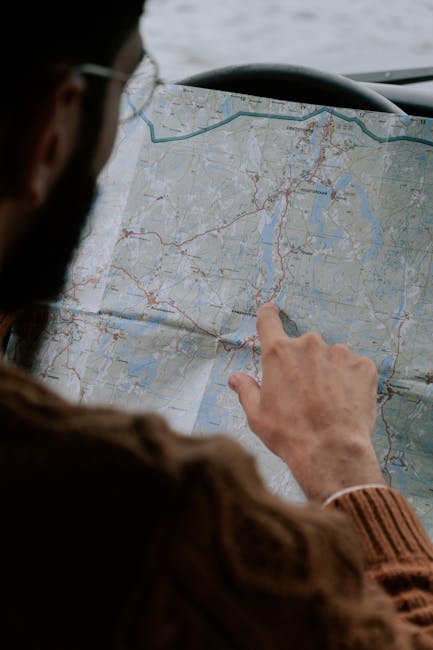
Reaching Tra Su requires a bit of planning, but the journey is well worth it. Here's a breakdown of how to get there:
- Fly into Ho Chi Minh City (Saigon): This is the closest international airport.
- Travel to Chau Doc: From Ho Chi Minh City, you have several options to reach Chau Doc, the nearest town to Tra Su:
- Bus: This is the most common and affordable option. Several bus companies operate daily services from Ho Chi Minh City to Chau Doc. The journey takes approximately 6-7 hours.
- Private Car: You can hire a private car with a driver. This is more expensive but offers greater flexibility and comfort.
- Hydrofoil: There's also a hydrofoil service, though it may not operate daily. Check schedules in advance.
- From Chau Doc to Tra Su: Once you're in Chau Doc, you can take a taxi, motorbike taxi (xe om), or hire a private car to reach Tra Su Cajuput Forest. The distance is about 25 kilometers, and the journey takes around 30-45 minutes.
Remember to book your transportation and accommodation in advance, especially during peak season.
Essential Gear: What to Pack for Tra Su

Having the right gear can significantly enhance your experience in Tra Su. Here's a suggested packing list:
- Clothing: Lightweight, breathable clothing suitable for hot and humid weather. Long sleeves and pants are helpful for protection against mosquitoes.
- Footwear: Comfortable walking shoes or sandals. Water-resistant footwear is recommended.
- Sun Protection: Sunscreen, a hat, and sunglasses.
- Insect Repellent: Essential for protection against mosquitoes and other insects.
- Binoculars: High-quality binoculars for birdwatching.
- Camera: A camera with a good zoom lens for capturing wildlife.
- Water Bottle: Stay hydrated in the heat.
- Small Backpack: To carry your essentials.
- Rain Gear: A lightweight raincoat or poncho, especially during the rainy season.
With a little planning and the right gear, your trip to Tra Su Cajuput Forest will be an unforgettable adventure. So, what are you waiting for? Pack your bags and prepare to be amazed!

Post a Comment for "Tra Su Cajuput Forest: A Birdwatcher's Paradise and Ecosystem Gem"
Post a Comment