Thien Mu Pagoda Hue: Exploring the Spiritual Heart of Vietnam’s Ancient Capital
Thien Mu Pagoda Hue: Exploring the Spiritual Heart of Vietnam's Ancient Capital
Okay, let's talk about a place that completely captivated me during my trip to Vietnam: Thien Mu Pagoda in Hue. You guys know I love history and stunning architecture, and this place has it all in spades! Seriously, it's more than just a pretty building; it's a window into Vietnam's rich spiritual past, its resilience, and its breathtaking beauty. I want to share my experience with you and give you all the details you need to plan your own visit to this iconic seven-story pagoda. Trust me, it's an experience you won't soon forget.
A Glimpse into Thien Mu's History: Legends and Royal Patronage
So, the story behind Thien Mu Pagoda is pretty fascinating. "Thien Mu" literally translates to "Heavenly Lady," and the legend goes that an old woman appeared on Ha Khe Hill and prophesied that a lord would build a pagoda there to bring prosperity to the land. Well, Lord Nguyen Hoang, the first Nguyen lord, heard about this and, being the ambitious guy he was, decided to build the pagoda in 1601. How cool is that? It's like a story straight out of a history book, except you can actually stand where it all happened!
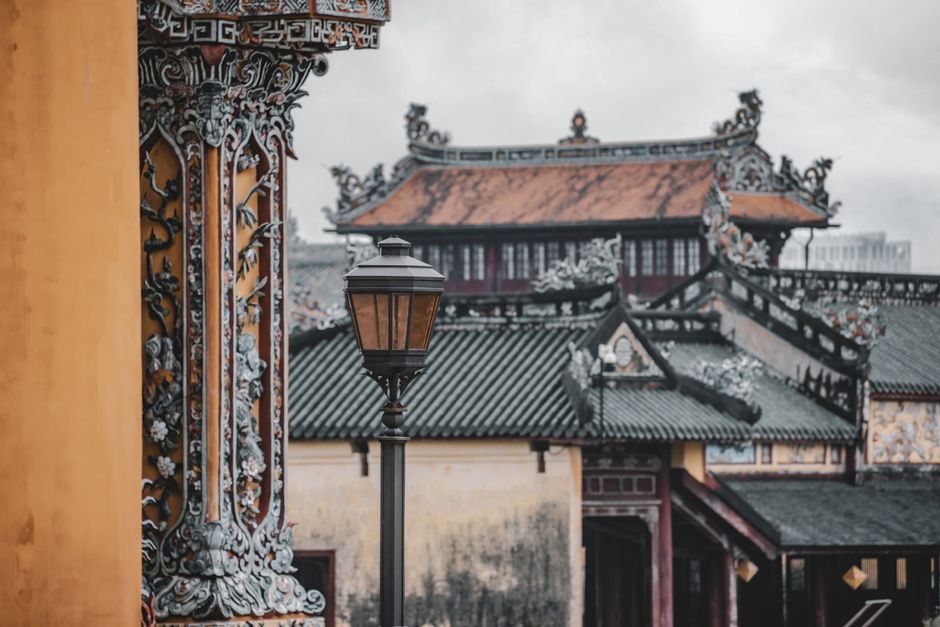
Over the centuries, the pagoda has been expanded and renovated by various Nguyen lords and emperors. Each one left their mark, adding structures, gardens, and embellishments. This makes Thien Mu a beautiful blend of architectural styles reflecting different periods of Vietnamese history. Sadly, it was also severely damaged during the wars, but thankfully, it has been meticulously restored, bringing it back to its former glory. You can really feel the history seeping from the very stones as you walk around.
The Phuoc Duyen Pagoda: The Seven-Story Icon

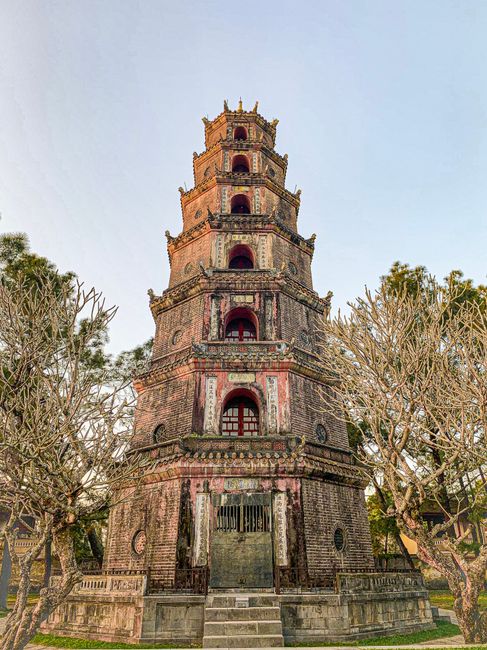
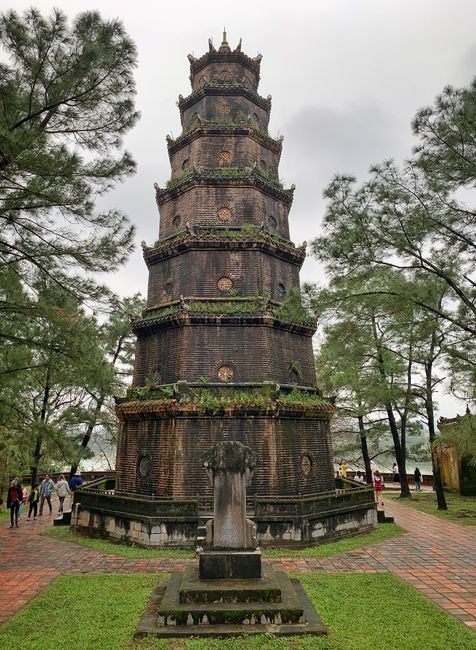
Okay, let's get to the star of the show: the Phuoc Duyen Pagoda. This is the iconic seven-story tower that you see in all the pictures, and believe me, it's even more impressive in person. Each of the seven stories is dedicated to a different Buddha, representing the journey to enlightenment. It's a seriously impressive feat of engineering and artistry, built with incredible attention to detail.
I remember standing at the base of the tower, just craning my neck to take it all in. The intricate carvings, the vibrant colors, the sheer height... it's breathtaking. You can't actually go inside the tower, but just admiring it from the outside is an experience in itself. Make sure you take plenty of photos! I know I did!
Exploring the Pagoda Grounds: Beyond the Tower

Thien Mu Pagoda isn't just about the Phuoc Duyen Pagoda, though. The entire complex is a treasure trove of temples, gardens, and historical artifacts. Trust me, you'll want to set aside a good chunk of time to explore everything. Here are a few highlights:
- The Main Sanctuary (Dai Hung Shrine): This is where the main worship hall is located. It's filled with stunning statues of Buddhas and Bodhisattvas, and the atmosphere is incredibly peaceful and serene. Remember to be respectful and quiet when you're inside.
- The Bell Tower: Housed within this tower is a massive bell, said to be one of the largest in Vietnam. Apparently, the sound of the bell can be heard from miles away, creating a really powerful and moving experience.
- The Turtle Stele: This stone turtle supports a stele inscribed with historical accounts of the pagoda's construction and significance. Turtles are considered symbols of longevity and wisdom in Vietnamese culture, so it's a pretty important monument.
- The Car of Thich Quang Duc: This is probably one of the most poignant and somber sights on the grounds. It's the Austin Westminster car that belonged to the monk Thich Quang Duc, who self-immolated in Saigon in 1963 to protest the persecution of Buddhists. Seeing it is a really powerful reminder of the struggles and sacrifices people made during that time. It's kept in a separate building and serves as a stark reminder of a turbulent past.
- The Gardens: The meticulously manicured gardens are an oasis of tranquility. Stroll through the peaceful paths, admire the bonsai trees, and take a moment to relax and soak in the serene atmosphere. They're perfect for a bit of quiet contemplation after taking in all the historical sights.
Experiencing the Spiritual Atmosphere

For me, Thien Mu Pagoda wasn't just a sightseeing stop; it was a deeply spiritual experience. The air is thick with incense, and you can hear the gentle chanting of monks in the background. It's a place where you can really connect with your inner self and find a sense of peace. I spent quite a bit of time just sitting by the Perfume River, watching the boats go by, and soaking in the tranquility. It was incredibly restorative.
Even if you're not particularly religious, the sense of history and reverence is palpable. You can see locals coming to pray and make offerings, and it's a beautiful reminder of the enduring power of faith and tradition. It really makes you think about the history and culture of this place in a profound way.
Tips for Visiting Thien Mu Pagoda: Making the Most of Your Trip

Okay, so you're convinced you want to go? Great! Here are a few tips to help you plan your visit and make the most of your time at Thien Mu Pagoda:
- Best Time to Visit: Hue is known for its hot and humid weather, so the best time to visit is during the dry season, from February to August. Even then, it can get pretty hot, so make sure to wear lightweight clothing and bring plenty of water.
- How to Get There: There are several ways to get to Thien Mu Pagoda:
- Boat Trip: Taking a boat trip along the Perfume River is a popular and scenic way to reach the pagoda. Many tours include a visit to the pagoda as part of the itinerary.
- Taxi or Motorbike: You can easily hire a taxi or motorbike to take you to the pagoda from Hue city center. The ride is about 5 kilometers and takes around 15-20 minutes.
- Bicycle: If you're feeling adventurous, you can rent a bicycle and cycle to the pagoda. It's a beautiful ride along the river, but be prepared for the heat!
- Dress Code: Remember that Thien Mu Pagoda is a religious site, so dress respectfully. Avoid wearing shorts, tank tops, or revealing clothing. Covering your shoulders and knees is always a good idea.
- Entrance Fee: There is no entrance fee to visit Thien Mu Pagoda, which is fantastic!
- Photography: Photography is allowed in most areas of the pagoda, but be respectful and avoid using flash photography inside the temples.
- Food and Drink: There are a few small shops and restaurants near the pagoda where you can buy drinks and snacks. However, you might want to bring your own water bottle, especially if you're visiting during the hot season.
- Be Respectful: Remember that this is a place of worship, so be mindful of your behavior. Speak quietly, avoid loud conversations, and don't disturb the monks or other visitors.
- Hire a Guide: If you want to learn more about the history and significance of the pagoda, consider hiring a local guide. They can provide valuable insights and answer any questions you might have.
Beyond Thien Mu: Exploring More of Hue
While Thien Mu Pagoda is definitely a highlight, Hue has so much more to offer! Don't just stop there; explore the rest of this fascinating city. Here are a few other places you might want to check out:
- The Imperial City: This UNESCO World Heritage Site was once the political, cultural, and religious center of Vietnam. Explore the palaces, temples, and gardens within the citadel and imagine what life was like during the Nguyen Dynasty.
- The Tombs of the Emperors: Hue is home to several elaborate tombs of the Nguyen emperors. Each tomb is unique and reflects the personality and tastes of the emperor who commissioned it. Tu Duc Tomb and Khai Dinh Tomb are particularly impressive.
- Dong Ba Market: This bustling market is a great place to experience local life and buy souvenirs. You can find everything from fresh produce and street food to clothing and handicrafts. Be prepared to bargain!
- Perfume River Cruise: Take a relaxing cruise along the Perfume River and enjoy the scenic views of the city. Many cruises include stops at Thien Mu Pagoda and other attractions.
- Hue Cuisine: Hue is known for its delicious and unique cuisine. Be sure to try some of the local specialties, such as banh beo (steamed rice cakes), bun bo Hue (spicy beef noodle soup), and com hen (rice with mussels).
Final Thoughts: A Journey for the Soul
Visiting Thien Mu Pagoda was truly a highlight of my trip to Vietnam. It's a place where history, spirituality, and natural beauty come together to create a truly unforgettable experience. From the iconic Phuoc Duyen Pagoda to the tranquil gardens and the poignant memorial to Thich Quang Duc, there's something to move and inspire everyone who visits.
I hope my experience has inspired you to add Thien Mu Pagoda to your travel itinerary. It's more than just a place to take pictures; it's a place to connect with history, reflect on life, and find a sense of peace. So, pack your bags, book your tickets, and get ready for an adventure to the spiritual heart of Vietnam!
And when you go, remember to take a moment to just breathe it all in – the scent of incense, the sound of chanting, the weight of history. It's an experience that will stay with you long after you've left.

Post a Comment for "Thien Mu Pagoda Hue: Exploring the Spiritual Heart of Vietnam’s Ancient Capital"
Post a Comment