The Ultimate Vietnamese Street Food Guide: Eat Like a Local
The Ultimate Vietnamese Street Food Guide: Eat Like a Local
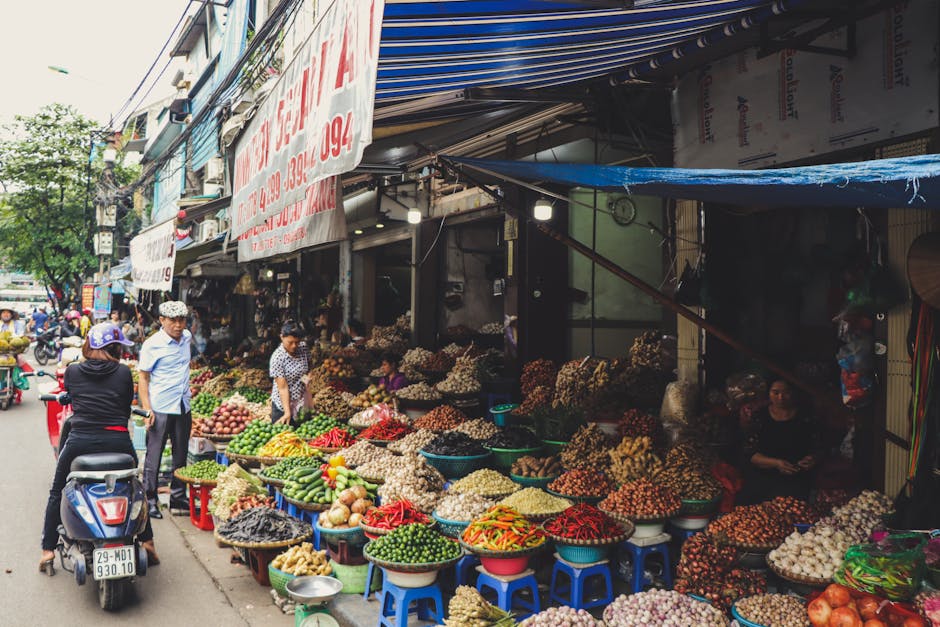
Okay, friend, let's talk about Vietnamese street food. Forget fancy restaurants for a minute. We're diving headfirst into the vibrant, chaotic, and utterly delicious world of food stalls lining the streets of Vietnam. I've spent years wandering through bustling markets and hidden alleyways, sampling everything from familiar pho to truly… unique… delicacies. And trust me, it's an adventure worth having! This isn't just a list of dishes; it's your personal guide to navigating the sensory overload, understanding the culture, and eating like a true local.
Embracing the Street Food Culture

First things first: ditch your expectations of sterile environments and white tablecloths. Vietnamese street food is all about authenticity, freshness, and a connection to the community. You'll be sitting on tiny plastic stools, surrounded by the sounds of motorbikes, chattering locals, and the sizzle of woks. It's part of the charm!
Don't be afraid to get your hands dirty. Many dishes are best enjoyed using your fingers. And most importantly, be open to trying new things. You might stumble upon your next favorite food!
Pro Tip: Look for stalls that are busy with locals. A crowd usually indicates delicious and freshly prepared food. Also, observe how they're eating and follow suit!
The Must-Try Dishes: A Culinary Journey

Alright, let's get down to the good stuff – the food! Here's a curated list of Vietnamese street food staples that you absolutely MUST try. I've included personal anecdotes and tips to help you navigate the culinary landscape.
1. Pho: The Noodle Soup Icon
Ah, pho (pronounced "fuh"). It's more than just soup; it's a symbol of Vietnam. This aromatic broth, typically made with beef (pho bo) or chicken (pho ga), is simmered for hours, infused with spices like star anise, cinnamon, and cloves. Served with rice noodles, herbs, and a squeeze of lime, it's a comforting and flavorful experience.
My Pho Story: I remember my first bowl of pho in Hanoi. It was early morning, and the air was thick with the aroma of the broth. I sat on a tiny stool, watching the vendor expertly assemble the bowl. The first sip was heavenly – a warm, rich broth that woke up my senses. I was hooked!
Tips for Ordering:
- Choose your meat: Pho bo (beef) is the most common, but pho ga (chicken) is also delicious.
- Specify your cuts: If you're feeling adventurous, try pho tai (rare beef) or pho chin (well-done beef).
- Add your toppings: Fresh herbs like cilantro, basil, and bean sprouts are essential. Don't be shy!
- Spice it up: Sriracha and chili flakes are usually available to add some heat.
2. Banh Mi: The Vietnamese Sandwich Masterpiece
Banh mi is a testament to the fusion of French and Vietnamese cuisine. It's a crispy baguette filled with a variety of savory ingredients, including pate, Vietnamese ham, pickled vegetables, cilantro, and chili. Each bite is an explosion of flavors and textures.
My Banh Mi Adventure: I once spent an entire afternoon trying different banh mi stalls in Hoi An, determined to find the "perfect" one. Each had its own unique twist, from the fillings to the sauces. It was a delicious and educational experience!
Types of Banh Mi to Try:
- Banh Mi Thit: The classic, filled with various types of Vietnamese pork.
- Banh Mi Ga: Chicken-filled banh mi.
- Banh Mi Op La: Filled with a fried egg. A great breakfast option!
- Banh Mi Chay: Vegetarian banh mi, often filled with tofu and vegetables.
3. Bun Cha: Hanoi's Grilled Pork Noodle Delight
Bun cha is a Hanoi specialty that's simply irresistible. It consists of grilled pork patties and slices of pork belly served in a flavorful broth, accompanied by rice noodles, fresh herbs, and pickled vegetables. You dip the noodles and pork into the broth and enjoy!
Obama's Seal of Approval: Bun cha gained international fame when Barack Obama enjoyed it with Anthony Bourdain in Hanoi. If it's good enough for the President, it's good enough for me (and you!).
How to Enjoy Bun Cha:
- Dip generously: Don't be shy about dipping the noodles and pork into the broth.
- Mix it up: Add herbs and pickled vegetables to your liking.
- Don't forget the chili: A little bit of chili adds a nice kick.
4. Goi Cuon (Spring Rolls): Fresh and Flavorful
Goi cuon, or fresh spring rolls, are a light and refreshing alternative to fried spring rolls. They're made with rice paper wrappers filled with vermicelli noodles, shrimp, pork, vegetables, and herbs. Served with a peanut dipping sauce, they're a perfect snack or appetizer.
My Spring Roll Revelation: I used to think spring rolls were boring until I tried them in Vietnam. The freshness of the ingredients and the complexity of the dipping sauce completely changed my mind.
Choosing the Right Spring Roll: Look for spring rolls that are tightly wrapped and filled with fresh, vibrant ingredients. The dipping sauce should be thick and flavorful.
5. Banh Xeo: The Crispy Crepe Sensation
Banh xeo is a savory crepe made from rice flour, coconut milk, and turmeric. It's cooked on a hot skillet until crispy and golden brown, then filled with shrimp, pork, bean sprouts, and onions. Served with fresh herbs and a dipping sauce, it's a satisfying and flavorful meal.
My Banh Xeo Mishap: The first time I tried to eat banh xeo, I completely butchered it. It's meant to be torn apart with your hands and wrapped in lettuce leaves with herbs before dipping. I ended up with a mess, but it was a delicious mess!
Banh Xeo Eating Etiquette: Tear off pieces of the banh xeo, wrap them in lettuce leaves with herbs, and dip them in the sauce. It's all about the layering of textures and flavors.
6. Com Tam: Broken Rice Bliss
Com tam, or broken rice, is a popular street food dish in southern Vietnam, particularly in Ho Chi Minh City. It's made from fractured rice grains, typically served with grilled pork chop (suon), shredded pork skin (bi), a fried egg (op la), and pickled vegetables.
Com Tam Confession: I'm not usually a fan of broken rice, but the way it's prepared and served in Vietnam is just amazing. The combination of textures and flavors is simply addictive.
Personalize Your Com Tam: Don't be afraid to customize your com tam with extra toppings like Vietnamese sausage (cha trung) or fish sauce (nuoc mam).
7. Cao Lau: Hoi An's Noodle Mystery
Cao lau is a noodle dish that's unique to Hoi An. The noodles are made using a secret process that involves water from a specific well in the city. They're served with sliced pork, greens, and crispy croutons. The sauce is what truly makes cao lau special – a savory and slightly sweet concoction that's unlike anything else you'll taste.
The Cao Lau Secret: The mystery surrounding the cao lau noodles adds to the allure of this dish. Locals are tight-lipped about the exact ingredients and process, making it a true Hoi An treasure.
Finding the Best Cao Lau: Ask locals for their recommendations. Everyone has their favorite cao lau spot in Hoi An!
8. Che: Sweet Treats to Beat the Heat
Che is a collective term for a variety of Vietnamese sweet desserts. From sweet bean soups to colorful jellies to refreshing fruit cocktails, there's a che for every taste. It's the perfect way to cool down after a spicy meal or simply indulge your sweet tooth.
My Che Discovery: I was initially overwhelmed by the sheer variety of che. But after trying a few different types, I realized that each one has its own unique flavor and texture profile.
Types of Che to Explore:
- Che Chuoi: Banana and tapioca pearl dessert.
- Che Ba Mau: "Three-color dessert" with beans, jelly, and coconut milk.
- Che Thai: A mix of tropical fruits, coconut milk, and jelly.
Navigating the Street Food Scene: Practical Tips

Okay, now that you know what to eat, let's talk about how to actually navigate the street food scene. It can be a little intimidating at first, but with a few practical tips, you'll be eating like a pro in no time.
- Carry small bills: Street food vendors often don't have change for large bills.
- Learn a few basic phrases: Knowing how to say "hello," "thank you," and "delicious" will go a long way.
- Trust your gut: If a place looks unclean or the food doesn't seem fresh, move on.
- Be mindful of hygiene: Bring hand sanitizer and use it frequently.
- Don't be afraid to ask questions: Vendors are usually happy to explain their dishes.
- Bargaining is generally not expected: Prices are usually fixed, but it doesn't hurt to smile and be friendly.
- Embrace the chaos: The street food scene is often chaotic and noisy, but that's part of the fun!
Beyond the Food: Connecting with the Culture
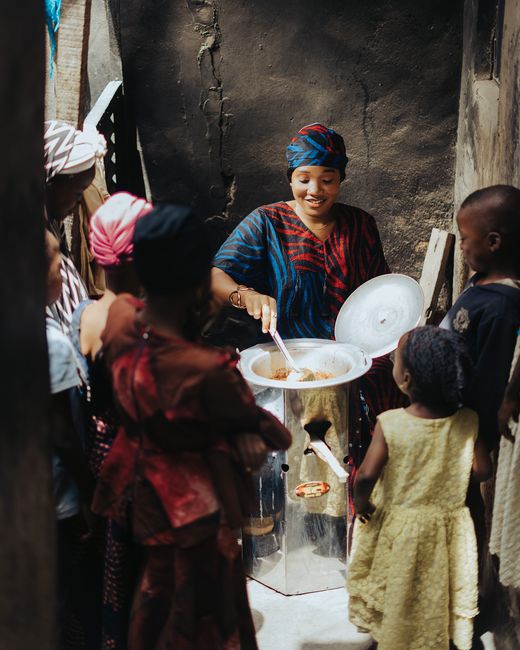
Eating Vietnamese street food is about more than just satisfying your hunger. It's about connecting with the culture, experiencing the local way of life, and creating memories that will last a lifetime.
Take the time to observe the vendors, chat with the locals, and soak in the atmosphere. You'll gain a deeper appreciation for the food and the people who make it. And who knows, you might even learn a few Vietnamese phrases along the way!
So, go forth and explore the vibrant world of Vietnamese street food. Be adventurous, be curious, and most importantly, be hungry! You're in for a culinary adventure you won't soon forget. Chúc ngon miệng! (Bon appétit!)

Post a Comment for "The Ultimate Vietnamese Street Food Guide: Eat Like a Local"
Post a Comment