The Sacred Bloom: Unveiling the Lotus Flower's Significance in Vietnamese Culture
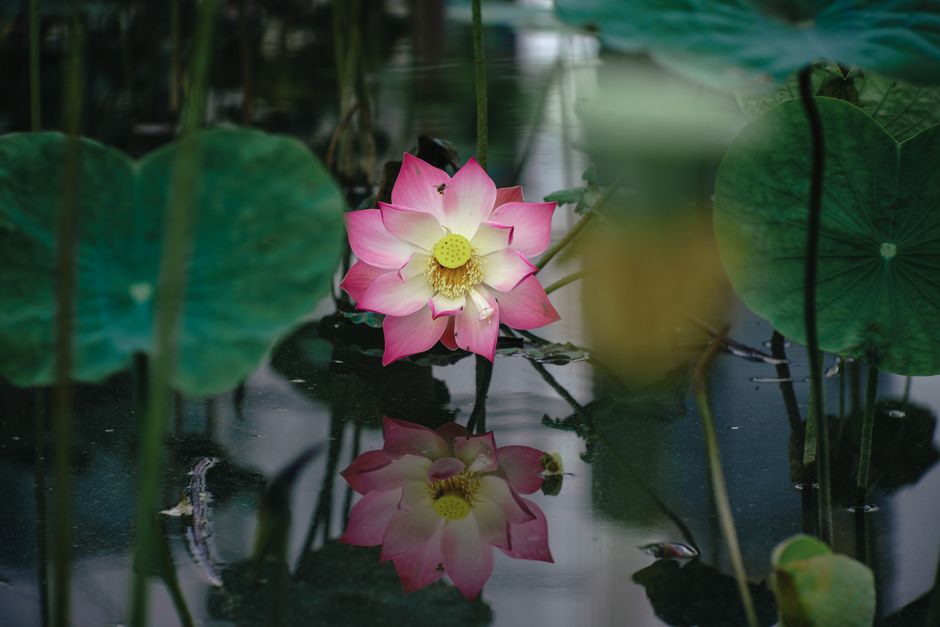
The Sacred Bloom: Unveiling the Lotus Flower's Significance in Vietnamese Culture
Hey friend! Ever found yourself captivated by a flower's beauty, feeling like it holds a deeper meaning than just its pretty petals? That's exactly how I feel about the lotus flower, especially when I think about its place in Vietnamese culture. It's not just a pretty plant floating on a pond; it's a symbol woven into the very fabric of Vietnamese life, representing purity, enlightenment, and resilience. Let me share with you what I've learned about this fascinating flower and its profound impact on Vietnam.
The Lotus as a Symbol of Purity and Spirituality

You know, one of the first things that struck me about the lotus is its ability to bloom so beautifully out of muddy water. It's a powerful metaphor, right? In Vietnamese culture, this resilience is deeply admired. The lotus, or hoa sen as it's known in Vietnamese, symbolizes purity of body, speech, and mind. It represents someone who can rise above the challenges of life, remaining untainted by the negativity around them.
Think about it: the lotus starts its life submerged in murky depths. It pushes through layers of mud and debris, eventually reaching the surface to blossom in the sunlight. This journey is often associated with the Buddhist concept of enlightenment. In fact, the lotus is one of the eight auspicious symbols of Buddhism and is closely tied to Buddhist principles throughout Vietnam.
Many Vietnamese are practicing Buddhists, and the lotus is a constant reminder of the path to enlightenment. It's a visual representation of how one can overcome adversity and achieve spiritual growth, regardless of the circumstances. You'll often see Buddha depicted seated on a lotus throne, emphasizing the flower's connection to spiritual awakening and divine beauty.
The Lotus in Vietnamese Art and Architecture

You don't have to be a Buddhist to appreciate the lotus; its influence permeates Vietnamese art and architecture. It's everywhere! Next time you're browsing through Vietnamese artwork, pay attention to the details. You'll find the lotus motif in paintings, sculptures, and even intricate carvings. It's a symbol that adds a layer of depth and meaning to the artwork, reflecting the values and beliefs of the culture.
Architecturally, the lotus is a popular design element. You'll see lotus-shaped ponds and fountains in temples, pagodas, and even private gardens. These structures are not just decorative; they're intended to create a serene and peaceful environment, encouraging reflection and contemplation. Consider the One Pillar Pagoda in Hanoi. Built in the 11th century, this unique temple is designed to resemble a lotus blooming out of the water, further solidifying the flower's significance in Vietnamese religious architecture.
Here are some examples of how the lotus manifests in Vietnamese art and architecture:
- Paintings and Calligraphy: Lotus flowers are often depicted in traditional Vietnamese paintings, symbolizing purity, peace, and tranquility. Calligraphy often incorporates lotus imagery alongside philosophical quotes or poems.
- Sculptures: Stone and bronze sculptures featuring lotus motifs are common in temples and public spaces. These sculptures can range from small decorative pieces to large, imposing statues.
- Architecture: As mentioned, lotus ponds, fountains, and temple designs incorporating lotus shapes are prevalent throughout Vietnam. The shape of a lotus petal is often used in architectural details, such as roof decorations and window designs.
The Lotus in Vietnamese Cuisine and Medicine
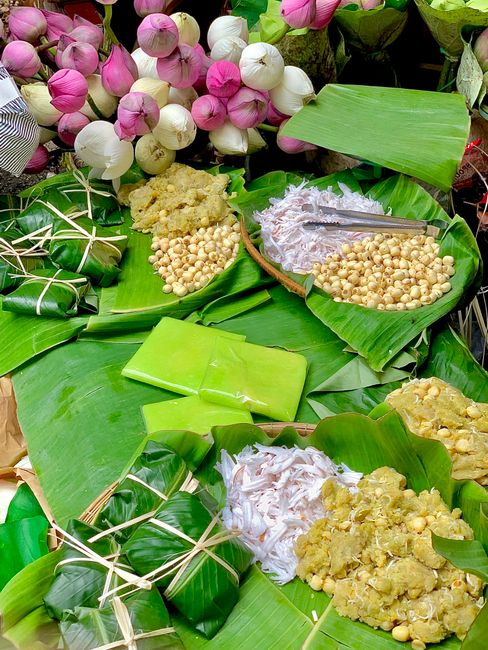
Now, let's move beyond symbolism and delve into something more tangible: food and medicine! I was surprised to learn just how versatile the lotus is. Every part of the plant, from the roots to the seeds, is used in Vietnamese cuisine and traditional medicine. It's amazing, isn't it? It's like nature's way of offering a complete package of health and well-being.
The lotus root, with its crunchy texture and slightly sweet flavor, is a popular ingredient in soups, salads, and stir-fries. The seeds are often used in desserts, such as sweet soups (chè) and mooncakes. Even the stamens are used to make a fragrant and delicious tea! It's incredible how the Vietnamese have found ways to utilize every single part of the plant.
In traditional Vietnamese medicine, the lotus is believed to have various therapeutic properties. Different parts of the plant are used to treat ailments ranging from insomnia to digestive problems. The roots are considered cooling and are often used to alleviate fever. The seeds are thought to be calming and are used to promote sleep. It's a testament to the deep connection between the Vietnamese people and their natural environment.
Here's a quick breakdown of how different parts of the lotus are used:
- Lotus Root: Eaten as a vegetable, often used in soups and salads. It's known for its crunchy texture and slightly sweet flavor.
- Lotus Seeds: Used in desserts and snacks. They can be eaten raw, roasted, or candied. They're often incorporated into sweet soups and mooncakes.
- Lotus Leaves: Used to wrap food, adding a subtle flavor and aroma. They are also sometimes used to make tea.
- Lotus Stamens: Used to make a fragrant and delicate tea.
- Lotus Rhizomes: Used medicinally to treat various ailments.
The Lotus in Vietnamese Festivals and Ceremonies
Beyond daily life, the lotus plays a significant role in Vietnamese festivals and ceremonies. It's often used as a decorative element, adding beauty and meaning to these important events. During Buddhist festivals, lotus flowers are often offered at temples as a sign of respect and devotion. They're also used to decorate altars and shrines, creating a serene and sacred atmosphere.
Even in weddings, the lotus can make an appearance! Sometimes you'll see it in bridal bouquets or used to decorate the reception venue. The lotus symbolizes purity, love, and devotion, making it a meaningful addition to this special occasion. It reinforces the idea of a pure and lasting union between the couple.
For example, during the Vu Lan Festival (Wandering Souls Day), many people visit temples to pray for their ancestors. Lotus flowers are often offered at these temples, symbolizing the hope that their loved ones will find peace and liberation. It's a beautiful and poignant tradition.
The Lotus as a Symbol of National Identity

More than just a religious or cultural symbol, the lotus has also become deeply intertwined with Vietnamese national identity. It represents the resilience, beauty, and purity of the Vietnamese people. It's a symbol that unites the nation and reminds them of their shared values and history.
You'll find the lotus used in national symbols, such as logos for businesses and organizations. It's a way of showcasing Vietnamese pride and heritage. It's a subtle but powerful way of communicating the values and aspirations of the Vietnamese people to the world.
Here are a few reasons why the lotus is considered a symbol of national identity:
- Represents National Values: The lotus embodies the values of purity, resilience, and enlightenment, which are highly valued in Vietnamese society.
- Historical Significance: The lotus has been a part of Vietnamese culture for centuries, appearing in art, architecture, and literature throughout the country's history.
- Cultural Unifier: The lotus is a symbol that transcends regional and ethnic differences, uniting the Vietnamese people under a common identity.
My Personal Encounters with the Lotus in Vietnam
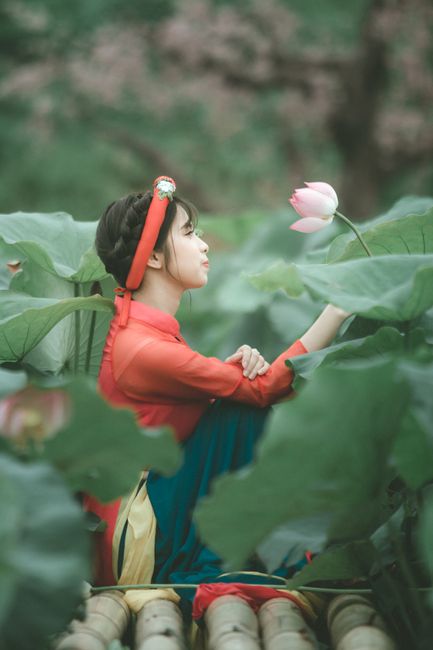
Let me tell you about some of my own experiences with the lotus in Vietnam. One of the most memorable was visiting a lotus farm near Hanoi. It was breathtaking! Fields upon fields of vibrant pink and white lotus flowers stretching as far as the eye could see. The air was filled with their delicate fragrance, and the sight was simply mesmerizing.
I also remember sipping lotus tea at a traditional tea house in Hoi An. The tea was incredibly fragrant and flavorful, and the whole experience felt so authentic and special. It was a moment that truly connected me to the culture and traditions of Vietnam.
Another time, I visited a local market and saw vendors selling various lotus products, from fresh lotus roots to dried lotus seeds. It was fascinating to see how the plant was integrated into everyday life. It reinforced my understanding of its versatility and importance to the Vietnamese people.
The Future of the Lotus in Vietnamese Culture
As Vietnam continues to modernize and evolve, the lotus will undoubtedly remain a vital symbol of its cultural heritage. Its timeless beauty and profound symbolism will continue to inspire artists, architects, and everyday people. I believe the lotus will continue to be cherished and celebrated for generations to come.
There's a growing awareness of the importance of preserving traditional crafts and practices related to the lotus. Efforts are being made to promote sustainable lotus farming and to support artisans who create lotus-themed products. This ensures that the legacy of the lotus will continue to thrive.
In conclusion, the lotus flower is far more than just a pretty bloom in Vietnam. It's a symbol of purity, enlightenment, resilience, and national identity. Its influence can be seen in art, architecture, cuisine, medicine, festivals, and everyday life. So, next time you see a lotus flower, take a moment to appreciate its beauty and remember its profound significance in Vietnamese culture. It's a symbol that truly deserves our admiration and respect!
I hope you enjoyed learning about the role of the lotus flower in Vietnamese culture! It's a topic that I find incredibly fascinating, and I'm always eager to share my knowledge with others. Let me know if you have any questions or want to learn more!

Post a Comment for "The Sacred Bloom: Unveiling the Lotus Flower's Significance in Vietnamese Culture"
Post a Comment