Spicy Vietnamese Food: A Fiery Guide for Chili Lovers & Culinary Adventurers

Spicy Vietnamese Food: A Fiery Guide for Chili Lovers & Culinary Adventurers
Hey there, fellow food enthusiasts! If you're like me, you live for that exhilarating burn, that delightful sweat, and that lingering warmth that only chili peppers can deliver. And if you're anything like really me, you've probably already dipped your toes (or should I say, taste buds?) into the vibrant and flavorful world of Vietnamese cuisine. But have you truly experienced the spicy side of Vietnam? Buckle up, because we're about to embark on a fiery adventure!
Vietnamese food, often celebrated for its fresh herbs, delicate sauces, and fragrant broths, actually harbors a secret weapon: its masterful use of chilies. From subtle hints of warmth to face-melting infernos, Vietnamese chefs know how to wield the power of the chili pepper like true artisans. This guide is for anyone who's ready to explore the spicier side of Vietnam, whether you're a seasoned chili head or a curious newbie.
Understanding the Vietnamese Chili Landscape

First things first, let's get acquainted with the key players in the Vietnamese chili game. It's not just about "hot" – it's about flavor, aroma, and the overall experience. The Vietnamese use a variety of chilies, each with its own unique profile:
- Bird's Eye Chili (Ớt hiểm): This is your classic, everyday chili in Vietnam. Small but mighty, it packs a serious punch. You'll find it served whole, sliced, or ground into chili paste. It's incredibly common and used in almost everything!
- Red Chili (Ớt đỏ): These larger, red chilies are generally milder than bird's eye chilies. They're often used to add color and a touch of sweetness, alongside a moderate heat.
- Green Chili (Ớt xanh): Green chilies offer a fresher, slightly grassy flavor compared to their red counterparts. They're often pickled or used in salads and stir-fries.
- Dried Chili (Ớt khô): Drying chilies intensifies their flavor and heat. They're often used in stews, sauces, and marinades to add depth and a smoky warmth.
- Chili Oil (Dầu ớt): This is where things get interesting! Vietnamese chili oil is typically infused with garlic, shallots, and other aromatics, creating a complex and flavorful condiment that adds both heat and richness to any dish. It's like liquid gold!
It's worth noting that the heat levels can vary depending on the region, the season, and even the individual pepper. So, always start small and taste as you go! Don't be afraid to ask your server or cook about the spice level before ordering.
Fiery Dishes to Ignite Your Taste Buds
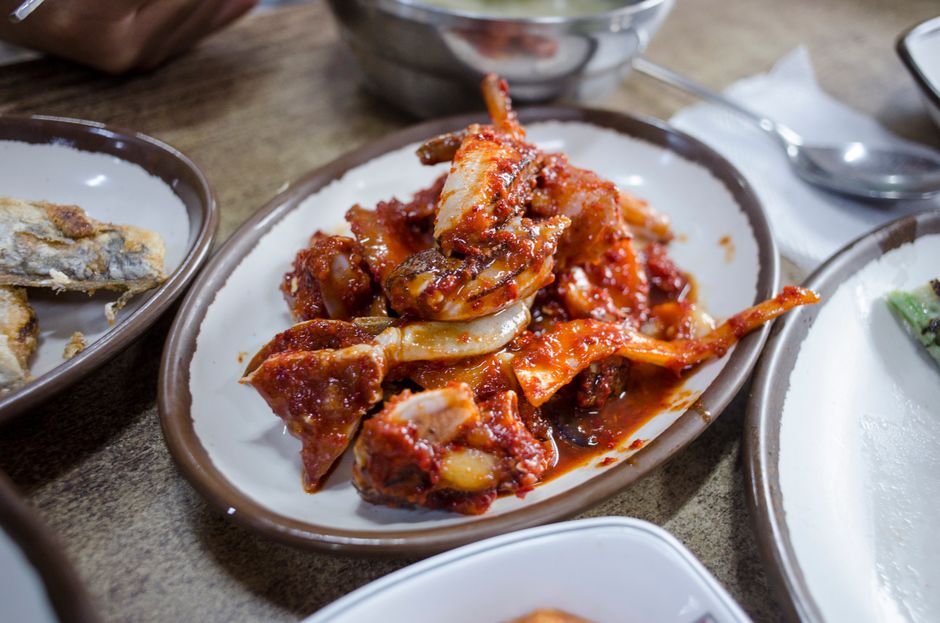
Now, for the fun part: let's dive into some specific dishes that showcase the spicy side of Vietnamese cuisine. These are just a few of my personal favorites, and I encourage you to explore and discover your own hidden gems:
Bún Bò Huế (Spicy Beef Noodle Soup from Huế)
Oh, Bún Bò Huế! This is the king of spicy Vietnamese soups in my humble opinion. Originating from the former imperial city of Huế in central Vietnam, this hearty soup is a symphony of flavors. The broth is rich and complex, infused with lemongrass, shrimp paste, annatto seeds, and, of course, plenty of chili oil. Tender slices of beef, pork knuckle, and blood cake swim in the fiery broth, alongside thick rice noodles and fresh herbs. The spice level can vary, but it's generally quite potent. Don't be surprised if you find yourself reaching for tissues (and maybe another bowl!).
Cơm Gà Xối Mỡ (Crispy Chicken Rice with Chili Sauce)
Cơm Gà Xối Mỡ, or crispy chicken rice, is a beloved street food staple. Imagine perfectly cooked, crispy-skinned chicken served over fragrant rice, often drizzled with a savory sauce. But the real magic happens when you add a generous dollop of tương ớt (chili sauce). The combination of the crispy chicken, fluffy rice, and fiery sauce is simply irresistible. Each vendor has their own unique chili sauce recipe, so be sure to try a few different ones to find your favorite.
Gỏi Đu Đủ Tôm Khô (Green Papaya Salad with Dried Shrimp)
Don't let the salad label fool you – Gỏi Đu Đủ Tôm Khô can pack a serious punch. This refreshing salad features shredded green papaya, carrots, dried shrimp, peanuts, and a tangy, spicy dressing made with lime juice, fish sauce, sugar, and, you guessed it, chilies. The spiciness is typically balanced by the sweetness of the papaya and the saltiness of the dried shrimp, creating a delightful explosion of flavors and textures.
Mì Cay (Spicy Noodle Soup)
Mì Cay is a relatively recent addition to the Vietnamese culinary scene, but it has quickly gained popularity, especially among younger generations. This Korean-inspired dish features instant noodles served in a fiery broth with various toppings like kimchi, sausage, eggs, and vegetables. The spice level is often customizable, with different levels ranging from "mild" to "volcano." This is not a dish for the faint of heart!
Bánh Xèo (Sizzling Crepes) with Chili Fish Sauce
Bánh Xèo, those savory, crispy crepes filled with shrimp, pork, bean sprouts, and onions, are delicious on their own. But dipping them in nước chấm pha, a chili-infused fish sauce, elevates them to a whole new level. The combination of the crispy crepe, savory filling, and spicy-sour dipping sauce is pure perfection. The fish sauce itself can be customized with as much or as little chili as you like, allowing you to control the heat level.
Spice Hacks: Navigating the Heat

Okay, so you're ready to brave the fiery world of Vietnamese food, but maybe you're a little nervous about the heat. Don't worry, I've got you covered! Here are some tips and tricks for managing the spice:
- Start Slow: Don't dive headfirst into the spiciest dish on the menu. Start with something milder and gradually work your way up.
- Ask Questions: Don't be afraid to ask your server about the spice level of a dish. They can often adjust the amount of chili to your liking.
- Taste First: Before adding any extra chili sauce or paste, taste the dish as it is. You might be surprised by the amount of heat that's already present.
- Rice is Your Friend: Rice is a great way to neutralize the heat. Eat a spoonful of rice between bites of spicy food to give your palate a break.
- Dairy (Sometimes) Helps: While dairy isn't a common ingredient in Vietnamese cuisine, a glass of milk or a scoop of yogurt can help to cool down your mouth after a spicy meal. However, this isn't a universal remedy, and some people find that it makes the burn worse.
- Sugar Can Help: The sugar in the dish itself, or even a little added sugar, can sometimes counteract the capsaicin.
- Lemon or Lime: The acidity of lemon or lime can also help to cut through the heat. Squeeze some lemon or lime juice onto your food to balance the flavors and reduce the burn.
- Don't Drink Water (Initially): Ironically, water can sometimes spread the capsaicin around your mouth, making the burning sensation worse. Instead, try sipping on something starchy like rice milk or sweet tea.
- Take Breaks: If the spice gets too intense, take a break from eating and let your palate recover.
- Embrace the Sweat: Let's be honest, a little sweat is part of the fun! Embrace the feeling and enjoy the ride.
Beyond the Food: Chili Culture in Vietnam
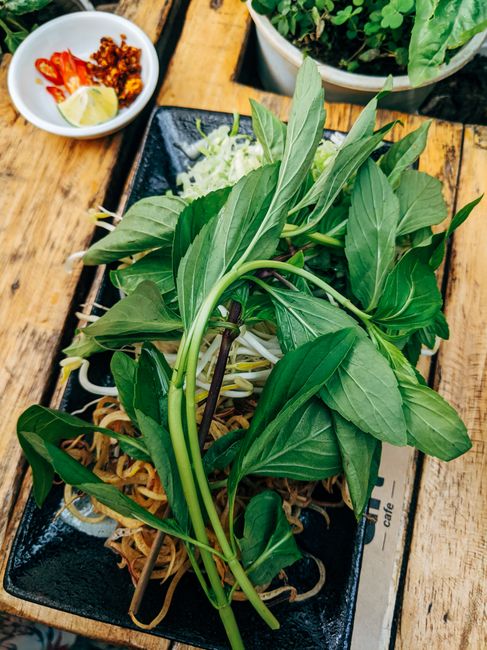
The use of chilies in Vietnamese cuisine isn't just about adding heat – it's also deeply ingrained in the culture. Chilies are often seen as a symbol of good luck and prosperity. You'll often see them displayed in homes and businesses, alongside other lucky charms. In some regions, chilies are even believed to have medicinal properties and are used to treat various ailments.
More than that, Vietnamese people have different tolerances to chili based on region, so even their tolerance or view of what's hot can be very different. So just be aware that what one person says is 'not spicy' could be very different for you!
Crafting Your Own Spicy Vietnamese Creations
Feeling inspired to create your own spicy Vietnamese dishes at home? Great! Here are a few tips to get you started:
- Source High-Quality Chilies: Look for fresh, vibrant chilies at your local Asian market. If you can't find fresh chilies, dried chilies are a good alternative.
- Experiment with Chili Oil: Making your own chili oil is easier than you might think! There are tons of recipes online, and you can customize the flavor to your liking.
- Master the Art of Nước Chấm: Nước chấm is the foundation of Vietnamese cuisine, and it's incredibly versatile. Experiment with different ratios of fish sauce, lime juice, sugar, and chili to create your perfect dipping sauce.
- Don't Be Afraid to Experiment: There are no hard and fast rules when it comes to cooking. Don't be afraid to try new things and put your own spin on classic Vietnamese dishes.
Here are some basic recipe ideas to get you started:
- Simple Chili Garlic Sauce: Mix minced garlic, bird's eye chilies (finely chopped), a splash of fish sauce, lime juice, and a touch of sugar. Adjust the ratios to your preferred spice level. Great for dipping spring rolls!
- Homemade Chili Oil: Gently heat neutral oil (like vegetable or canola) with crushed dried chilies, garlic cloves, and star anise. Let it infuse for about 30 minutes, then strain and store in an airtight container.
- Spicy Marinade: Combine soy sauce, fish sauce, honey, ginger, garlic, and finely chopped chilies. Use it to marinate chicken, pork, or beef before grilling or stir-frying.
Final Thoughts: Embrace the Heat!

So, there you have it: a spicy guide to the fiery world of Vietnamese cuisine. I hope this has inspired you to explore the spicier side of Vietnam and discover your own favorite chili-infused dishes. Remember, the key is to start slow, experiment with flavors, and most importantly, embrace the heat! The journey might be a little fiery, but the reward is a culinary adventure that you won't soon forget.
Now go forth, my friends, and conquer those chilies! Chúc ngon miệng (Bon appétit)!

Post a Comment for "Spicy Vietnamese Food: A Fiery Guide for Chili Lovers & Culinary Adventurers"
Post a Comment