Learning Northern Vietnam Village Customs: A Traveler's Heartfelt Guide

Learning Northern Vietnam Village Customs: A Traveler's Heartfelt Guide
Okay, so you're thinking about heading to Northern Vietnam? Fantastic! Trust me, it's an experience that will stay with you long after you've unpacked your bags. Beyond the stunning landscapes – the rice terraces cascading down hillsides like emerald staircases, the mist-shrouded mountains, the vibrant markets overflowing with exotic fruits – lies a treasure trove of unique cultures and traditions within the villages dotting the region. But, and this is a big but, immersing yourself respectfully requires understanding and appreciating local customs. It's not just about ticking off tourist attractions; it's about connecting with the people, learning from them, and ensuring your visit leaves a positive impact. I've spent a fair bit of time exploring these villages, stumbling, learning, and eventually, gaining a deep respect for their way of life. Let me share some of what I've picked up – think of it as a friendly heads-up from one traveler to another.
Respecting the Sacred Spaces: Pagodas, Temples, and Homes
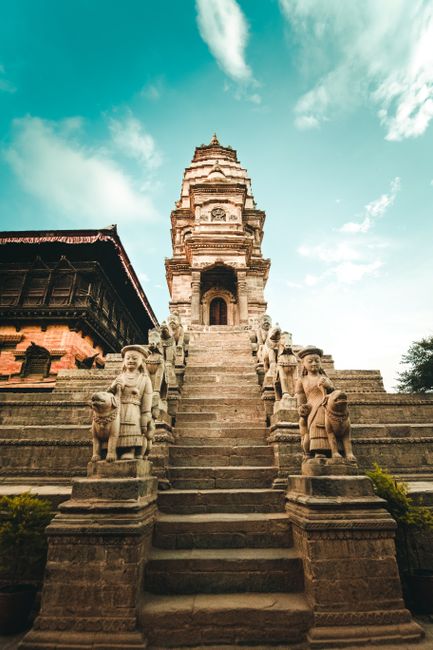
First things first: respect. This is paramount, no matter where you travel, but especially crucial in places with deeply rooted traditions. When you're visiting pagodas or temples (and you absolutely should!), remember these guidelines:
- Dress modestly: Shoulders and knees covered, folks. Think respectful, not beachwear. Loose-fitting clothing is your friend in the humid weather anyway!
- Remove your shoes: This is a universal sign of respect in many Asian cultures. You'll usually see a designated area for shoes near the entrance.
- Be quiet and respectful: Keep your voice down, avoid loud laughter, and refrain from taking flash photography. Remember, these are places of worship and contemplation.
- Follow the lead of locals: Watch what others are doing and follow suit. If they bow before an altar, you can do the same. Don't be afraid to ask (politely!) if you're unsure of what to do.
- Offerings: It's customary to make a small offering of incense, flowers, or fruit. Often, you'll find these available for purchase near the temple entrance.
Homes are another story. If you're invited into someone's home (and this is a wonderful opportunity to truly connect with the local culture), similar principles apply:
- Remove your shoes: Again, almost always expected.
- Accept any offered tea or food: Refusing hospitality is considered impolite. Even if you're not hungry or thirsty, take a small sip or bite to show your appreciation.
- Ask before taking photos: This is crucial. Always, always ask permission before snapping photos of people or their homes. Imagine someone barging into your house and photographing everything – wouldn't you want a heads-up?
- Sit respectfully: Often, you'll be offered a seat on a mat or a low stool. Try to avoid pointing your feet towards the altar (if there is one) or towards other people, as this is considered disrespectful in many Asian cultures.
The Art of Communication: Language, Gestures, and Body Language

While English is becoming more common in tourist areas, don't expect everyone in the villages to speak it fluently. Learning a few basic Vietnamese phrases will go a long way in showing respect and making communication easier. "Xin chào" (hello), "Cảm ơn" (thank you), and "Xin lỗi" (excuse me) are excellent starting points. Even attempting a few words in their language will be greatly appreciated.
Beyond language, be mindful of your gestures and body language:
- Avoid pointing: Pointing with your finger is considered rude. Instead, use your open hand to indicate direction.
- Maintain eye contact: While direct eye contact is often seen as a sign of respect, avoid staring intensely, especially at older people.
- Smile! A genuine smile is a universal language. It can help bridge communication gaps and create a friendly atmosphere.
- Be patient: Communication can sometimes be challenging. Don't get frustrated if you don't understand something right away. Take your time, be patient, and try different approaches.
I remember once trying to ask for directions to a waterfall. My Vietnamese was terrible, and the local woman spoke no English. We ended up drawing pictures in the dirt with a stick! It was a hilarious, albeit slightly frustrating, experience, but ultimately, we figured it out. The key is to be patient, persistent, and approach the situation with a good sense of humor.
Navigating the Market: Haggling Etiquette and Supporting Local Businesses

The markets in Northern Vietnam are a sensory explosion – a vibrant tapestry of colors, smells, and sounds. Haggling is expected, but it's important to do it respectfully and ethically.
Here's my take on it:
- Start politely: Always start with a smile and a friendly greeting.
- Know the going rate: Before you start haggling, try to get an idea of the typical price for the item you're interested in. Ask around at different stalls or consult your guide (if you have one).
- Be reasonable: Don't try to lowball vendors ridiculously. Remember, these people are trying to make a living. Aim for a fair price that benefits both you and the seller.
- Be prepared to walk away: If you can't agree on a price, politely thank the vendor and walk away. Sometimes, they'll call you back with a lower offer.
- Support local businesses: When possible, buy directly from local artisans and farmers. This helps to support the local economy and ensures that your money is going directly to the people who need it most.
It's also worth noting that some items, like handcrafted textiles, are incredibly labor-intensive to produce. Paying a slightly higher price for these items ensures that the artisans are fairly compensated for their skill and effort. Think of it as an investment in preserving traditional crafts.
Dining Etiquette: Sharing Food and Showing Appreciation

Food is central to Vietnamese culture, and sharing meals is a common way to bond and build relationships. When you're invited to eat with locals (and you definitely should!), keep these points in mind:
- Wait to be seated: Don't just grab a seat. Wait for your host to indicate where you should sit.
- Use chopsticks correctly: Don't stick your chopsticks upright in your rice bowl, as this resembles incense sticks offered to the deceased. Rest them on the side of your bowl when you're not using them.
- Share food: If there are communal dishes, use your chopsticks to take a small portion and place it in your own bowl. Don't dig around in the communal dish looking for the best piece.
- Try everything: Even if you're not sure what something is, try a small bite. Refusing food can be considered impolite.
- Compliment the food: Let your host know how much you're enjoying the meal. A simple "Ngon quá!" (delicious!) will go a long way.
- Offer to help with the dishes: Even if your offer is declined, it's a nice gesture to show your appreciation.
And, while it's tempting to slurp your noodles with gusto (and often perfectly acceptable!), try to be mindful of your table manners. A little bit of restraint goes a long way in showing respect for your hosts.
Understanding Family Structures and Generational Respect

Family is incredibly important in Vietnamese culture, and respect for elders is deeply ingrained. When interacting with families in the villages, keep these considerations in mind:
- Address people appropriately: Use respectful titles when addressing older people. For example, "ông" for grandfather, "bà" for grandmother, "cô" for aunt, and "chú" for uncle. Even if you don't know their exact relationship to you, using these titles is a sign of respect.
- Be mindful of your tone: Speak respectfully and avoid being overly familiar or casual, especially when interacting with older people.
- Listen to their stories: Older generations hold a wealth of knowledge and experience. Take the time to listen to their stories and learn from their wisdom.
- Offer assistance: If you see an elderly person struggling with something, offer to help. It's a simple gesture that can make a big difference.
I've often found that taking the time to simply sit and chat with older villagers, even if communication is limited, is one of the most rewarding experiences. Their faces, etched with the stories of their lives, are a window into the history and traditions of the community.
Responsible Tourism: Minimizing Your Impact and Giving Back
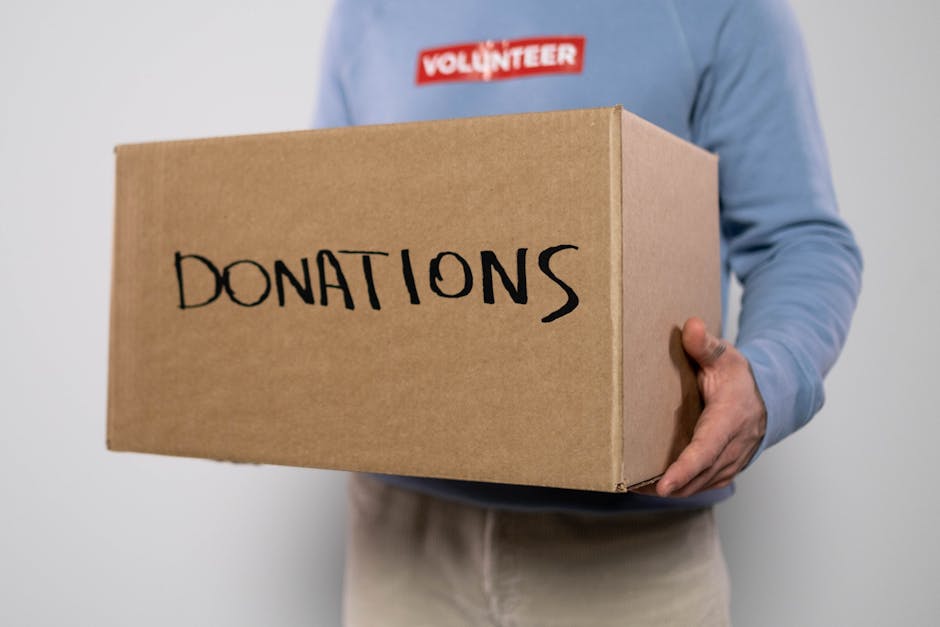
Finally, let's talk about responsible tourism. It's not just about respecting local customs; it's about minimizing your negative impact on the environment and contributing positively to the local community. Here are a few practical tips:
- Reduce your waste: Bring your own reusable water bottle, shopping bag, and cutlery. Avoid using single-use plastics whenever possible.
- Support eco-friendly accommodations: Choose hotels and guesthouses that are committed to sustainable practices, such as reducing water and energy consumption and supporting local initiatives.
- Leave no trace: Pack out everything you pack in. Don't litter or damage the environment.
- Respect wildlife: Observe animals from a distance and avoid feeding them. Don't purchase products made from endangered species.
- Consider volunteering: If you have the time and resources, consider volunteering with a local organization that is working to improve the lives of people in the community.
- Learn about the challenges: Take the time to understand the challenges facing the communities you're visiting, such as poverty, lack of access to education, and environmental degradation.
Ultimately, traveling responsibly is about being mindful of your impact and making choices that benefit both you and the local community. It's about leaving a positive footprint and ensuring that future generations can enjoy the beauty and culture of Northern Vietnam.
So, there you have it. A little glimpse into the wonderful world of Northern Vietnam village customs. Remember, these are just guidelines. The best way to learn is to observe, listen, and be respectful. Approach each interaction with an open mind and a genuine desire to understand. And most importantly, enjoy the journey! You're in for an incredible experience. Happy travels!

Post a Comment for "Learning Northern Vietnam Village Customs: A Traveler's Heartfelt Guide"
Post a Comment