Hue's Royal Tombs: A Journey Through Vietnam's Imperial Past

Hue's Royal Tombs: A Journey Through Vietnam's Imperial Past
Have you ever felt a shiver down your spine when walking through a place steeped in history? That's exactly what happened to me when I visited Hue, Vietnam. Hue, the former imperial capital, is a city brimming with culture, delicious food, and, most importantly, the awe-inspiring royal tombs of the Nguyen Dynasty. These aren't just gravesites; they're elaborate complexes reflecting the power, beliefs, and artistic tastes of the emperors who commissioned them. Come with me as I share my experiences and insights into these majestic resting places.
A Glimpse into the Nguyen Dynasty

Before we dive into the tombs themselves, let's rewind a bit and understand the significance of the Nguyen Dynasty. This was the last ruling dynasty of Vietnam, reigning from 1802 to 1945. They unified the country after centuries of internal conflict and established Hue as their capital. The emperors were absolute rulers, wielding immense power and influence. The construction of these elaborate tombs served not only as their final resting place but also as a testament to their authority and a reflection of their worldview.
Think of it like this: each tomb is a personal statement, a legacy carved in stone and landscaped into breathtaking beauty. They weren't just thinking about death; they were thinking about how they would be remembered, about the impact they would leave on the world. It's a fascinating and sometimes poignant look into their minds.
Why Hue's Tombs Stand Out

You might be wondering, "What makes these tombs so special?" Well, it's not just the sheer scale of them, although that's certainly impressive. It's the unique blend of architectural styles, the integration with the natural landscape, and the intricate symbolism woven into every detail.
Here's what makes them stand out:
- Architectural Fusion: The tombs seamlessly blend Vietnamese, Chinese, and even European architectural elements, reflecting the dynasty's interaction with the wider world. You'll see Confucian influences in the layout, Chinese motifs in the decoration, and hints of French design in some of the structures.
- Landscape Integration: Unlike some tombs that are imposed on the landscape, these tombs are carefully integrated into their surroundings. They utilize hills, lakes, and rivers to create a harmonious and visually stunning environment. The emperors clearly had an eye for aesthetics!
- Symbolism: Every detail, from the choice of materials to the placement of statues, is imbued with symbolism. Understanding these symbols unlocks a deeper understanding of the emperors' beliefs, aspirations, and their place in the cosmos. Dragons, phoenixes, and various other motifs all have specific meanings.
Exploring the Royal Tombs: My Personal Journey

During my visit, I explored several of the most prominent tombs. Each one had its own unique character and left a lasting impression on me. Let me share my experiences with you.
The Tomb of Minh Mang: Serenity and Order
The Tomb of Minh Mang, the second Nguyen emperor, is considered by many to be the most majestic and architecturally perfect of all the tombs. It's characterized by its symmetrical layout, grand scale, and tranquil atmosphere. It was the first tomb I visited, and it immediately set the bar incredibly high.
As I walked through the complex, I was struck by the sense of order and harmony. The buildings are arranged along a central axis, leading to the emperor's burial mound. The landscape is meticulously manicured, with serene lakes, lush gardens, and graceful pavilions. I felt a sense of peace wash over me as I wandered through this carefully planned space.
Key highlights of Minh Mang's Tomb:
- The Honor Courtyard: This is where you'll find rows of stone statues representing mandarins, soldiers, and animals. They stand guard over the emperor's spirit and create an imposing visual display.
- The Stele Pavilion: This pavilion houses a massive stone stele inscribed with the emperor's biography. It's a testament to his accomplishments and a reminder of his legacy.
- The Central Lake: This serene lake reflects the surrounding buildings and adds to the tomb's tranquil atmosphere. It's a perfect spot to take a break and soak in the beauty of the surroundings.
I spent a good couple of hours just wandering around, taking in the details, and trying to imagine what it must have been like during the emperor's lifetime. It's a truly captivating place.
The Tomb of Tu Duc: Romanticism and Retreat
In stark contrast to Minh Mang's Tomb, the Tomb of Tu Duc, the fourth Nguyen emperor, is characterized by its romantic atmosphere and its use as a personal retreat. Tu Duc had a long but troubled reign marked by internal rebellions and the increasing influence of the French. He used his tomb complex as a place to escape the pressures of court life and indulge in his artistic pursuits.
As I explored the tomb, I felt a sense of intimacy and vulnerability. The buildings are smaller and more intimate than those at Minh Mang's Tomb, and the landscape is more natural and less formal. There are pavilions where the emperor would write poetry, lakes where he would go boating, and even a small theatre where he would enjoy performances.
Key highlights of Tu Duc's Tomb:
- The Luu Khiem Lake: This picturesque lake is surrounded by lush gardens and pavilions. It's a perfect spot to relax and enjoy the scenery.
- The Xung Khiem Pavilion: This pavilion was used by Tu Duc as a library and writing studio. It's filled with artifacts and displays related to his literary pursuits.
- The Hoa Khiem Temple: This temple was dedicated to Tu Duc and his empress. It's a place of worship and remembrance.
Interestingly, Tu Duc's actual burial location remains a mystery. He was supposedly buried in a secret location to prevent desecration. This adds another layer of intrigue to an already fascinating tomb.
The Tomb of Khai Dinh: A Fusion of Styles
The Tomb of Khai Dinh, the twelfth Nguyen emperor, is perhaps the most controversial and visually striking of all the tombs. It's a flamboyant and eclectic mix of architectural styles, reflecting the emperor's close ties to France. It was quite a departure from the more traditional designs of his predecessors.
As I approached the tomb, I was immediately struck by its imposing appearance. The structure is built on a steep hillside and is adorned with colorful mosaics, intricate carvings, and European-style detailing. It's a bold and unconventional design that some find beautiful and others find jarring. I personally found it fascinating, a testament to a changing Vietnam embracing different influences.
Key highlights of Khai Dinh's Tomb:
- The Thien Dinh Palace: This is the main building of the tomb complex and is where the emperor's altar and sarcophagus are located. The interior is lavishly decorated with mosaics, murals, and gilded statues.
- The Courtyard: The courtyard features a mix of Vietnamese and European architectural elements, including stone statues of soldiers, mandarins, and animals.
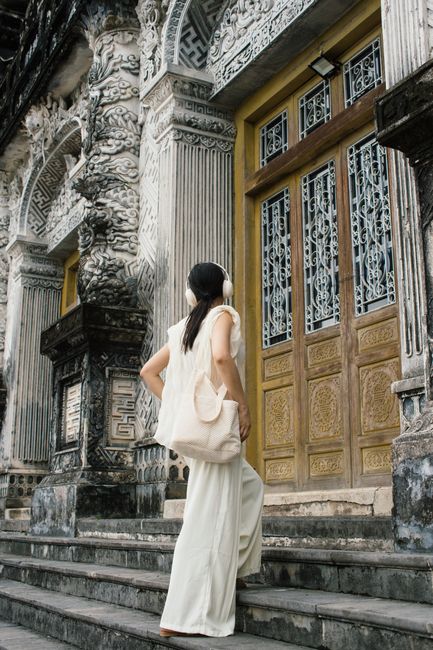
- The Dragon Staircase: This imposing staircase leads up to the Thien Dinh Palace and is flanked by intricately carved dragons.
The use of concrete and glass tiles in the construction of the tomb was a departure from traditional Vietnamese materials and reflects Khai Dinh's openness to Western influences. This tomb is definitely a conversation starter and a must-see for anyone visiting Hue.
Tips for Visiting Hue's Royal Tombs
Planning a trip to Hue and want to explore these incredible tombs? Here are a few tips to make the most of your experience:
- Hire a guide: While it's possible to explore the tombs on your own, hiring a local guide can greatly enhance your experience. They can provide valuable insights into the history, architecture, and symbolism of the tombs. I found my guide incredibly helpful in understanding the nuances of each site.
- Wear comfortable shoes: You'll be doing a lot of walking, so comfortable shoes are a must. The terrain can be uneven in places, so be prepared.
- Bring water and sunscreen: Hue can get hot and humid, especially during the summer months. Stay hydrated and protect yourself from the sun.
- Dress respectfully: While there's no strict dress code, it's always a good idea to dress respectfully when visiting religious or historical sites. Avoid wearing overly revealing clothing.
- Allow ample time: Each tomb complex is quite large, so allow ample time to explore them thoroughly. Don't rush your visit; take your time and soak in the atmosphere.
- Consider a motorbike or taxi: The tombs are scattered around the countryside, so the best way to get around is by motorbike or taxi. You can easily hire a motorbike or driver in Hue.
Beyond the Tombs: Exploring Hue
While the royal tombs are a major draw, Hue has so much more to offer. Don't miss the chance to explore the Imperial Citadel, a UNESCO World Heritage Site that was once the political and cultural heart of Vietnam. You can also take a boat trip on the Perfume River, sample the delicious local cuisine, and visit the Thien Mu Pagoda, a historic Buddhist temple.
Hue is a city that will captivate your senses and leave you with a lasting impression. It's a place where history comes alive, where you can connect with the past, and where you can experience the beauty and richness of Vietnamese culture.
Final Thoughts

My journey through Hue's royal tombs was an unforgettable experience. It was a chance to step back in time and gain a deeper understanding of Vietnam's imperial past. These majestic resting places are not just monuments to the dead; they're living testaments to the power, artistry, and beliefs of the Nguyen Dynasty. I hope my experiences have inspired you to add Hue to your travel bucket list. You won't be disappointed!

Post a Comment for "Hue's Royal Tombs: A Journey Through Vietnam's Imperial Past"
Post a Comment