Hue Imperial City: A Journey Through Vietnam's Ancient Capital, Royal Tombs, & Timeless History

Hue Imperial City: A Journey Through Vietnam's Ancient Capital, Royal Tombs, & Timeless History
Hey there, fellow history enthusiast! Have you ever dreamed of stepping back in time, wandering through ancient palaces, and feeling the echoes of emperors long gone? Well, let me tell you about Hue, Vietnam – a city that completely captivated me with its Imperial City, majestic tombs, and rich, complex history. I'm so excited to share my experience with you, hoping it inspires you to add this incredible destination to your travel bucket list.
A Glimpse into Hue's Golden Past

Hue, pronounced "hway," served as the capital of Vietnam under the Nguyen Dynasty from 1802 to 1945. Imagine that – over a century of emperors, royal intrigue, and cultural flourishing! This long period of power has left an indelible mark on the city, making it a UNESCO World Heritage site bursting with historical significance. From the moment I arrived, I felt transported to a different era. The air seemed to hum with stories, and every corner held a potential historical revelation.
The Magnificent Imperial City: A Citadel of Emperors
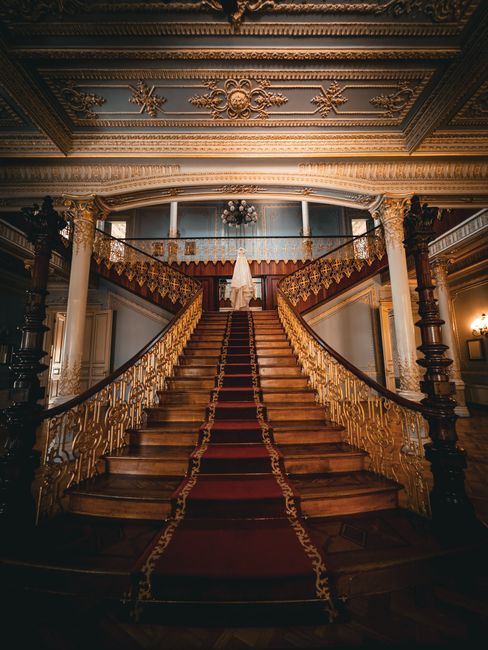
The heart of Hue's historical allure is undoubtedly the Imperial City. Inspired by the Forbidden City in Beijing, this sprawling citadel was the political, cultural, and religious center of the Nguyen Dynasty. Enclosed within fortified walls and a moat, it's a miniature city within a city, designed to awe and inspire respect.
Walking through the Ngo Mon Gate, the main entrance, was a breathtaking experience. The sheer scale of the complex is impressive, and it's easy to imagine the grand ceremonies and processions that once took place here. The vibrant colors, intricate carvings, and imposing architecture speak volumes about the power and artistry of the Nguyen rulers.
Within the Imperial City, you'll find several key structures:
- The Citadel (Kinh Thanh): The outermost layer, acting as the primary defense.
- The Imperial City (Hoang Thanh): The walled enclosure housing the most important palaces and temples.
- The Forbidden Purple City (Tu Cam Thanh): The innermost sanctuary, reserved solely for the Emperor and his closest confidantes.
Sadly, much of the Imperial City was damaged during the Vietnam War, particularly during the Tet Offensive in 1968. However, significant restoration efforts are ongoing, and you can still see remnants of its former glory. The ruins, in a way, add to the poignancy of the experience, reminding us of the fragility of history and the importance of preservation.
Some of the must-see spots within the Imperial City include:
- The Thai Hoa Palace: Used for important court ceremonies and official receptions. Imagine the Emperor sitting on his throne, receiving ambassadors and issuing decrees!
- The Dien Tho Residence: Once the residence of the Queen Mothers, offering a glimpse into the lives of the women who wielded considerable influence behind the scenes.
- The Halls of Mandarins: Where officials conducted their duties, offering a glimpse into the bureaucratic machinery of the Nguyen Dynasty.
Don't rush through the Imperial City. Take your time to wander through the courtyards, explore the temples, and imagine the lives of those who lived and worked within its walls. Consider hiring a local guide; their insights can truly bring the history to life.
Exploring the Royal Tombs: Resting Places of Emperors
Beyond the Imperial City, Hue is famous for its magnificent Royal Tombs, scattered along the Perfume River. Each tomb is a unique reflection of the emperor's personality, power, and vision. These aren't just burial sites; they're elaborate complexes that served as retreats for the emperors during their lifetimes and eventual resting places after death. They blend architecture, nature, and spirituality in a truly captivating way.
I visited several tombs, and each one left a lasting impression. Here are a few highlights:
- Tomb of Minh Mang: This tomb is considered the most architecturally impressive. Minh Mang, known for his Confucian ideals and strict rule, designed his tomb as a tranquil, harmonious retreat. The complex features beautiful lakes, gardens, and temples, reflecting a sense of order and balance. I especially loved the serene atmosphere and the stunning views.
- Tomb of Tu Duc: In contrast to Minh Mang's austere style, Tu Duc's tomb reflects his more romantic and artistic temperament. He used this tomb as a personal retreat during his lifetime, indulging in poetry, writing, and artistic pursuits. The complex includes a theater, pavilions, and a lake where he would often go boating. It felt like stepping into the mind of a creative emperor.
- Tomb of Khai Dinh: This tomb is the most modern and arguably the most flamboyant. Khai Dinh, influenced by French colonial architecture, incorporated Western elements into his tomb's design. The result is an eclectic mix of styles – a fusion of Vietnamese and European aesthetics. It's definitely unique and worth seeing.
Visiting the Royal Tombs is best done by renting a car or motorbike or by joining a guided tour. The sites are spread out along the Perfume River, and transportation can be a bit challenging otherwise. Many tours include a boat trip on the river, which offers stunning views of the surrounding landscape and a relaxing way to travel between the tombs.
Delving Deeper: Beyond the Imperial City and Tombs
While the Imperial City and Royal Tombs are the main attractions, Hue offers so much more. Take some time to explore the city's other historical and cultural gems:
- Thien Mu Pagoda: This iconic pagoda, overlooking the Perfume River, is one of the most important Buddhist temples in Vietnam. Its seven-story tower is a symbol of Hue, and the grounds are beautifully landscaped. It's also known for the story of Thich Quang Duc, the monk who self-immolated in protest against the persecution of Buddhists, making it a site of significant historical and spiritual importance.
- An Dinh Palace: Another royal residence, An Dinh Palace offers a different perspective on the Nguyen Dynasty's lifestyle. It showcases a blend of Vietnamese and European architectural styles and provides a glimpse into the opulent lives of the royal family.
- Dong Ba Market: Immerse yourself in the local culture at Dong Ba Market, Hue's largest and busiest market. Here, you can find everything from fresh produce and seafood to clothing and souvenirs. It's a great place to practice your bargaining skills and sample local delicacies.
Experiencing the Perfume River: The Soul of Hue

The Perfume River (Song Huong) is the lifeblood of Hue, winding its way through the city and offering stunning views of the historical sites. A boat trip on the river is an absolute must. Not only does it provide a relaxing way to travel between the Royal Tombs, but it also offers a unique perspective on the city's beauty. You can hire a traditional dragon boat for a leisurely cruise or join a larger tour boat for a more structured experience. Either way, the experience is unforgettable.
In the evenings, the Perfume River comes alive with lights and music. Many restaurants and bars offer outdoor seating along the riverbank, providing a perfect setting for enjoying a delicious meal and soaking in the atmosphere. I particularly enjoyed the traditional music performances that often take place on the riverboats – a truly authentic and captivating experience.
Indulging in Hue's Culinary Delights
No trip to Hue would be complete without sampling the local cuisine. Hue is renowned for its royal cuisine, a refined and elegant style of cooking that was once reserved for the Emperor and his court. Here are a few dishes you absolutely must try:
- Bun Bo Hue: A spicy beef noodle soup that's a Hue specialty. It's richer and more flavorful than pho, with a distinctive lemongrass broth and a fiery kick.
- Banh Beo: Steamed rice cakes topped with dried shrimp, crispy pork skin, and savory sauce. They're small, delicate, and incredibly delicious.
- Com Hen: Rice with baby clams, served with a variety of herbs, vegetables, and crispy pork skin. It's a surprisingly flavorful and refreshing dish.
- Nem Lui: Grilled pork skewers served with rice paper, fresh herbs, and a flavorful dipping sauce. It's a fun and interactive dining experience.
Don't be afraid to venture beyond the touristy restaurants. Some of the best food can be found at local street food stalls and small family-run eateries. Ask your hotel or guesthouse for recommendations – they'll be happy to point you in the right direction.
Practical Tips for Planning Your Trip

Here are a few tips to help you plan your trip to Hue:
- Best Time to Visit: The dry season, from February to August, is generally the best time to visit Hue. The weather is warm and sunny, making it ideal for exploring the historical sites. However, be prepared for crowds, especially during peak season.
- Getting Around: You can get around Hue by taxi, motorbike, or cyclo (a three-wheeled bicycle taxi). Motorbike rentals are readily available, but be sure to wear a helmet and drive carefully. Walking is also a great way to explore the city center.
- Accommodation: Hue offers a wide range of accommodation options, from budget-friendly hostels to luxurious hotels. Consider staying near the city center for easy access to the main attractions.
- Dress Code: When visiting temples and other religious sites, dress respectfully. Avoid wearing shorts, tank tops, and revealing clothing.
- Learn a Few Basic Vietnamese Phrases: Even knowing a few basic phrases like "hello" (xin chào) and "thank you" (cảm ơn) will be greatly appreciated by the locals.
Hue: A City That Stays With You

My trip to Hue was an unforgettable experience. It's a city that seamlessly blends history, culture, and natural beauty. From the majestic Imperial City to the serene Royal Tombs, every corner of Hue tells a story. It's a place where you can truly connect with the past and appreciate the rich heritage of Vietnam.
I hope this article has inspired you to visit Hue and discover its wonders for yourself. It's a journey you won't regret. So, pack your bags, book your flight, and prepare to be transported to a world of emperors, palaces, and timeless beauty. You might just find, like I did, that Hue captures a piece of your heart.

Post a Comment for "Hue Imperial City: A Journey Through Vietnam's Ancient Capital, Royal Tombs, & Timeless History"
Post a Comment