Fine Dining in Vietnam: A Culinary Journey Elevating Traditional Flavors

Fine Dining in Vietnam: A Culinary Journey Elevating Traditional Flavors
Hey there, fellow food lovers! I'm so excited to share my experiences with you about something truly special: the blossoming fine dining scene in Vietnam, and how it's taking traditional Vietnamese cuisine to breathtaking new heights. Forget pho on plastic stools for a moment (although, let's be honest, that's amazing too!). I'm talking about meticulously crafted dishes, innovative techniques, and an unwavering dedication to showcasing the freshest, finest Vietnamese ingredients. It's a culinary revolution, and I've been lucky enough to taste its delicious results firsthand.
My First Encounter with Elevated Vietnamese Cuisine
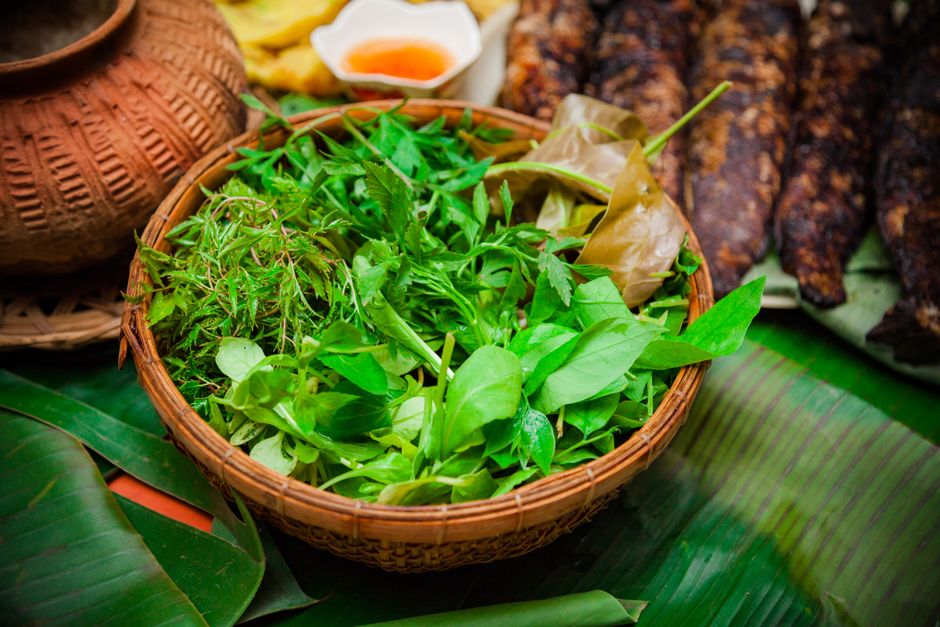
My initial introduction to this world was, admittedly, a little hesitant. I was used to the bustling street food scene, the vibrant markets overflowing with fresh produce, and the comforting simplicity of home-style Vietnamese cooking. The idea of "fine dining" applied to Vietnamese food conjured up images of overly-fussy presentations and flavors that had lost their soul. Boy, was I wrong!
My husband surprised me with a reservation at a restaurant called Anan Saigon in Ho Chi Minh City. From the moment we stepped inside, I knew this was going to be different. The ambiance was modern yet warm, with subtle nods to Vietnamese culture. The service was impeccable, attentive without being intrusive. And the menu? Oh, the menu was a poem. It wasn't just a list of dishes; it was a story of Vietnam, told through flavors, textures, and aromas.
We opted for the tasting menu, and each course was a revelation. Take, for instance, the reimagined Banh Mi. Forget the typical baguette; this was a fluffy, steamed bun filled with perfectly cooked Iberico pork, pickled vegetables, and a complex pate. It was familiar, yet utterly refined. Or the Pho, deconstructed and presented as a delicate consommé with perfectly poached quail eggs and ribbons of Wagyu beef. It was a symphony of flavors that danced on my palate.
That experience completely changed my perception of Vietnamese cuisine. It showed me that it could be both deeply rooted in tradition and boldly innovative, both comforting and exhilarating. It was the beginning of my journey into the world of elevated Vietnamese dining, and I'm eager to take you along for the ride.
What Defines Elevated Vietnamese Cuisine?

So, what exactly sets these "fine dining" Vietnamese restaurants apart? It's not just about fancy plates and higher prices. It's a combination of factors that work together to create a truly exceptional dining experience.
- Ingredient Sourcing: This is paramount. Forget mass-produced ingredients; these restaurants prioritize locally sourced, seasonal produce, often working directly with farmers and fishermen. They seek out the highest quality meats, the freshest seafood, and the most fragrant herbs and spices. This dedication to quality ingredients translates directly into the flavor of the dishes.
- Innovative Techniques: While respecting traditional recipes, these chefs aren't afraid to experiment with modern cooking techniques. Think sous vide, molecular gastronomy, and fermentation, all used to enhance the flavors and textures of Vietnamese ingredients. This isn't about changing the essence of the cuisine; it's about elevating it to new heights.
- Presentation and Ambiance: The dining experience is about more than just the food. These restaurants pay meticulous attention to detail, from the elegant plating to the thoughtfully designed interior. The goal is to create a sensory experience that is both beautiful and memorable.
- Preserving Tradition: Despite the innovation, these restaurants remain deeply rooted in Vietnamese culinary traditions. They honor the history and heritage of the cuisine, using classic recipes as a foundation for their creations. It's a delicate balance between tradition and innovation, and the best restaurants manage to strike it perfectly.
- Storytelling through Food: Many of these restaurants aim to tell a story through their food, whether it's the story of a particular region of Vietnam, a family recipe passed down through generations, or a personal reflection on the chef's culinary journey. This adds another layer of depth and meaning to the dining experience.
Notable Restaurants Leading the Charge
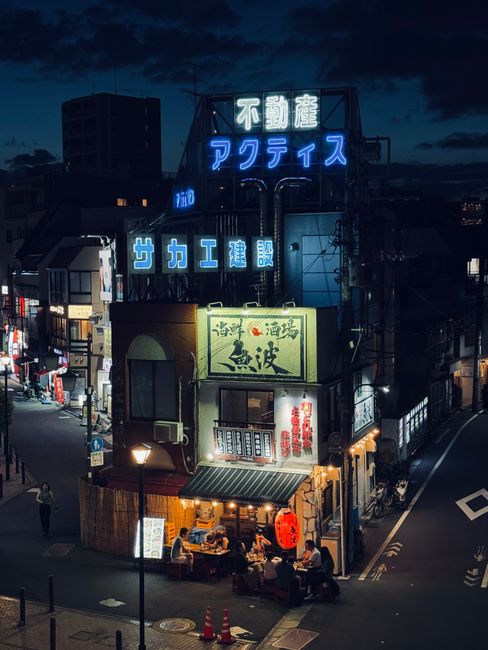
Now that you have a better understanding of what defines elevated Vietnamese cuisine, let's talk about some of the restaurants that are leading the charge. These are just a few of the many amazing places I've had the pleasure of dining at, and I highly recommend checking them out if you have the opportunity.
- Anan Saigon (Ho Chi Minh City): As I mentioned earlier, this was my gateway into the world of elevated Vietnamese cuisine. Chef Peter Cuong Franklin is a true visionary, seamlessly blending traditional Vietnamese flavors with modern techniques. Their "Million Dollar Banh Mi" is a must-try.
- T.U.N.G Dining (Hanoi): A pioneer in Hanoi's fine dining scene, T.U.N.G Dining offers a truly innovative tasting menu that showcases the best of Vietnamese ingredients. Chef Hoang Tung is known for his creative use of fermentation and his commitment to sustainable sourcing.
- Nén Restaurant (Da Nang): Chef Summer Le has created a culinary gem in Da Nang. Nén Restaurant focuses on using local ingredients and traditional techniques to create dishes that are both delicious and visually stunning. Their focus on zero-waste cooking is also commendable.
- La Maison 1888 (InterContinental Danang Sun Peninsula Resort): While located in a luxury resort, La Maison 1888 deserves a mention for its exquisite French-Vietnamese fusion cuisine. Chef Pierre Gagnaire brings his Michelin-starred expertise to create a truly unforgettable dining experience.
- Rice Bistro (Hoi An): Offering a more relaxed atmosphere but no less impressive cuisine, Rice Bistro in Hoi An is a beautiful blend of old and new. They use local ingredients to produce inventive and delicious takes on local favorites.
The Impact on Local Communities and Tourism
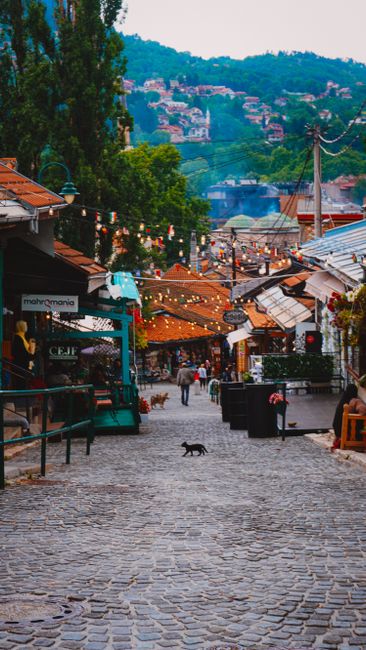
The rise of fine dining in Vietnam isn't just about creating amazing food; it's also having a positive impact on local communities and the tourism industry.
For local communities, these restaurants are creating jobs and supporting local farmers and producers. By sourcing ingredients locally, they are helping to sustain traditional agricultural practices and promote sustainable farming methods.
For the tourism industry, the fine dining scene is adding another layer of appeal to Vietnam as a destination. It's attracting a new type of traveler, one who is interested in experiencing the country's culture and cuisine in a more sophisticated and immersive way. It helps to broaden the appeal of Vietnamese food and culture to those that might otherwise not have tried it.
Tips for Experiencing Fine Dining in Vietnam
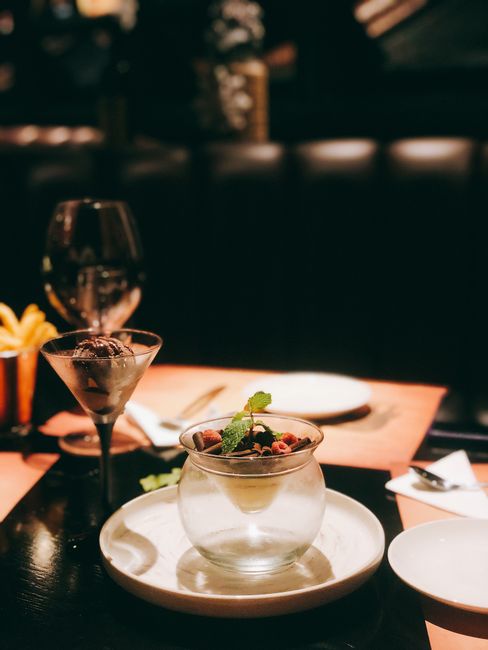
Ready to embark on your own culinary adventure in Vietnam? Here are a few tips to help you make the most of your experience:
- Make Reservations in Advance: Especially for popular restaurants, it's essential to book your table well in advance, particularly during peak tourist season.
- Consider a Tasting Menu: This is a great way to sample a variety of dishes and get a sense of the chef's style and creativity.
- Don't Be Afraid to Ask Questions: The staff is usually very knowledgeable about the food and wine, and they are happy to answer any questions you may have.
- Be Open to New Flavors and Textures: The beauty of fine dining is that it pushes you outside of your comfort zone. Be open to trying new things, and you might just discover your new favorite dish.
- Dress Appropriately: While some restaurants may have a more relaxed dress code, it's generally a good idea to dress smartly. Think business casual or cocktail attire.
- Learn a Few Basic Vietnamese Phrases: Even a few basic phrases like "Xin chào" (hello) and "Cảm ơn" (thank you) can go a long way in showing respect for the local culture.
Beyond the Plate: The Future of Vietnamese Cuisine
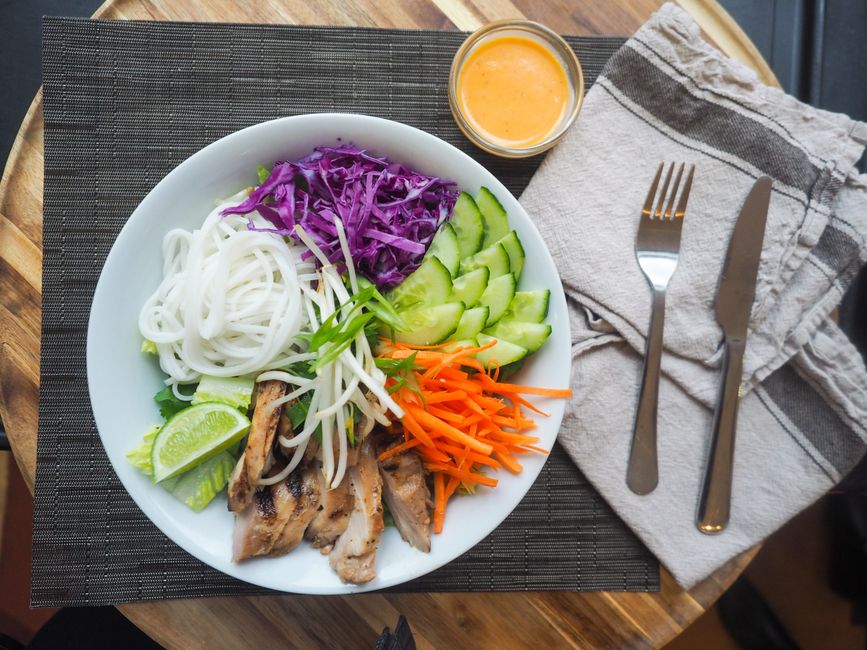
The rise of fine dining in Vietnam is more than just a trend; it's a sign of the country's growing confidence and its desire to showcase its rich culinary heritage to the world. I believe the future of Vietnamese cuisine is incredibly bright. As more and more talented chefs emerge, pushing the boundaries of creativity and innovation, we can expect to see even more exciting and delicious things coming out of Vietnam's kitchens. It's a fascinating time to be a food lover, and I'm excited to see what the future holds for Vietnamese cuisine.
My Personal Favorite Dishes (So Far!)
Alright, I have to confess, it's nearly impossible to pick favorites from so many amazing meals, but here are a few dishes that have truly stayed with me:
- The Foie Gras Spring Roll at Anan Saigon: A decadent twist on a classic, the creamy foie gras pairs perfectly with the crispy spring roll wrapper and the refreshing herbs.
- The Duck Confit at T.U.N.G Dining: The duck was cooked to perfection, with incredibly crispy skin and succulent meat. The accompanying sauce was rich and flavorful.
- The Braised Pork Belly at Nén Restaurant: The pork belly was melt-in-your-mouth tender, and the accompanying pickled vegetables provided a delightful contrast in flavors and textures.
Of course, these are just a few examples. Every restaurant has its own signature dishes and unique culinary style, so the best way to find your own favorites is to get out there and explore!
Final Thoughts: A Culinary Adventure Awaits

So, there you have it – my personal journey into the world of elevated Vietnamese cuisine. I hope I've inspired you to explore this exciting culinary scene for yourself. It's an experience that will tantalize your taste buds, broaden your horizons, and leave you with a newfound appreciation for the beauty and diversity of Vietnamese culture. Whether you're a seasoned foodie or simply looking for a new adventure, I promise you won't be disappointed. Go on, book that flight, make that reservation, and prepare to be amazed. Chúc ngon miệng! (Enjoy your meal!)
And please, if you try any of these restaurants (or find others that I haven't mentioned!), let me know! I'm always on the lookout for new culinary experiences and would love to hear about your adventures.

Post a Comment for "Fine Dining in Vietnam: A Culinary Journey Elevating Traditional Flavors"
Post a Comment