Con Dao's Prison History: Reflecting on Resilience & Remembrance
Con Dao's Prison History: Reflecting on Resilience & Remembrance
Con Dao, an island paradise off the coast of Vietnam. When you picture it, maybe pristine beaches, turquoise waters, and lush jungles come to mind. And it is all of those things, absolutely breathtaking. But beneath the surface beauty lies a history so dark, so profound, that it changes the way you see everything. It's a history etched in the very stones of its prisons, a somber reminder of human suffering, resilience, and the enduring power of the human spirit. My trip to Con Dao wasn't just a vacation; it was a journey into the heart of Vietnamese history, a lesson I'll never forget.
My First Impressions: Beauty Hiding a Dark Past

Landing on Con Dao felt surreal. The air was warm and heavy with the scent of the sea, and the scenery was postcard-perfect. Palm trees swayed gently, fishing boats bobbed in the harbor, and the locals greeted us with warm smiles. For the first few hours, I was completely captivated by the island's natural charm. But then, the stories started to emerge. Whispers of the prisons, the brutal conditions, the political prisoners held captive for decades. It was like a shadow falling across paradise, a stark contrast that demanded attention.
I remember feeling this initial cognitive dissonance. How could such beauty and such horror coexist? It felt almost disrespectful to simply enjoy the beaches without acknowledging the pain that had been inflicted on this very land. That's when I knew I had to delve deeper, to understand the history, to pay my respects, and to share what I learned with others. So, I set out to explore the prisons, ready to confront the harsh realities they held.
Exploring Phu Hai Prison: The Gates of Hell

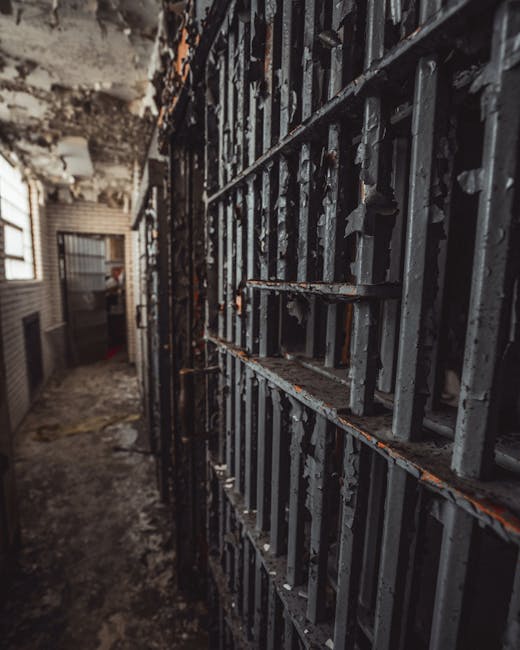
My first stop was Phu Hai Prison, the largest and one of the oldest prisons on the island. Established by the French colonialists in 1862, it served as a holding place for Vietnamese revolutionaries and political dissidents. Walking through the imposing gates, I felt a shiver run down my spine. The thick stone walls, the watchtowers looming overhead, the heavy iron doors – everything spoke of confinement and control. The air itself seemed heavy, laden with the weight of untold suffering.
Inside, I wandered through the cramped cells, each one a tiny box of despair. I tried to imagine spending years, even decades, in such a place, cut off from the world, enduring unimaginable hardship. The museum displays offered a glimpse into the lives of the prisoners: their meager rations, their backbreaking labor, the constant threat of torture and execution. It was heartbreaking and infuriating to witness the systematic dehumanization of these brave individuals who dared to stand up for their beliefs.
What struck me most was the sheer scale of the prison. It was designed to hold hundreds, maybe even thousands, of prisoners, a testament to the French colonial regime's determination to suppress Vietnamese nationalism. As I walked through the courtyards and corridors, I couldn't help but feel a profound sense of sadness and respect for those who had endured so much within those walls. The silence was deafening, broken only by the chirping of birds and the rustling of leaves – a stark reminder of the absence of human voices, the absence of freedom.
The Infamous "Tiger Cages" of Phu Tuong Prison
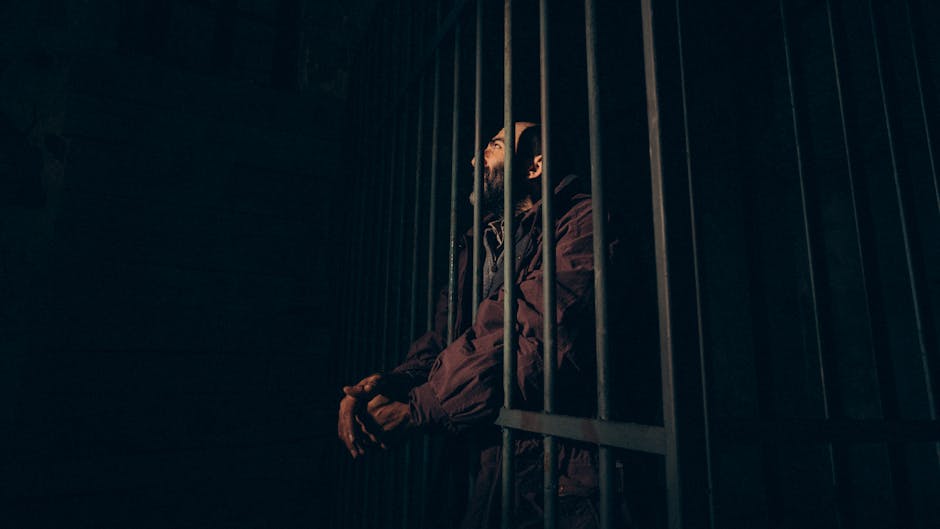
Perhaps the most disturbing part of my visit was to Phu Tuong Prison, often referred to as the "Tiger Cages." These were small, open-air cells designed to inflict maximum suffering on the prisoners. The cages were so small that prisoners could barely stand or lie down, and they were exposed to the elements – scorching sun, torrential rain, and chilling winds. Guards would routinely abuse and torture the prisoners, pouring lime on them, beating them, and depriving them of food and water.
Standing in front of those cages, I felt a wave of nausea and anger wash over me. It was almost impossible to comprehend the level of cruelty that had been inflicted here. These were not just prisons; they were instruments of torture, designed to break the spirit of the prisoners and crush their resistance. I remember looking up at the sky and wondering how anyone could justify such inhumanity. It was a truly harrowing experience, one that will stay with me forever.
I spent a long time at the Tiger Cages, trying to process what I was seeing and feeling. I read the information panels, listened to the stories of survivors, and tried to imagine what it must have been like to be imprisoned in such a place. It was a deeply unsettling experience, but I also felt that it was important to bear witness to this dark chapter in history, to remember the sacrifices of those who had fought for freedom and independence.
Honoring the Martyrs at Hang Duong Cemetery

After the prisons, I visited Hang Duong Cemetery, the final resting place for thousands of prisoners who died on Con Dao. It's a sprawling site, filled with rows upon rows of simple white markers. Many of the graves are nameless, as the identities of the deceased were never recorded. Walking through the cemetery, I was struck by the sheer number of lives lost, the immense human cost of oppression and conflict. It was a sobering reminder of the importance of fighting for justice and peace.
The cemetery is beautifully maintained, a testament to the Vietnamese people's respect for their fallen heroes. I saw families tending to the graves, offering flowers and incense, and sharing stories of their loved ones. It was a deeply moving experience, a reminder that even in the face of death, the human spirit can endure. I lit a candle at the memorial and paid my respects to those who had sacrificed so much for their country.
It's hard to describe the atmosphere of Hang Duong Cemetery. It's a place of sorrow, of course, but it's also a place of hope and resilience. It's a reminder that even in the darkest of times, the human spirit can find a way to endure, to resist, and to ultimately triumph. As I left the cemetery, I felt a renewed sense of determination to fight for a better world, a world where such atrocities never happen again.
Lessons Learned: Resilience and the Enduring Human Spirit

My visit to Con Dao was a powerful and transformative experience. It was a journey into the heart of Vietnamese history, a confrontation with the horrors of oppression, and a celebration of the resilience of the human spirit. I learned so much about the sacrifices of those who fought for freedom and independence, about the importance of remembering the past, and about the need to fight for a better future.
Here are a few of the most important lessons I took away from my time on Con Dao:
- Never forget the past. History has a way of repeating itself if we don't learn from our mistakes. It's crucial to remember the atrocities of the past, to understand the root causes of oppression and conflict, and to work towards preventing them from happening again.
- The human spirit is incredibly resilient. Despite the unimaginable hardships they endured, the prisoners of Con Dao never lost their hope, their courage, or their determination to fight for their beliefs. Their resilience is an inspiration to us all.
- Freedom is not free. The freedom we enjoy today was won through the sacrifices of countless individuals who were willing to risk everything for their ideals. We must never take freedom for granted and must always be vigilant in defending it.
- Even in the darkest of times, hope can endure. The prisoners of Con Dao found ways to maintain their spirits, to support each other, and to resist their oppressors. Their story is a reminder that even in the face of unimaginable suffering, hope can still flourish.
- We all have a responsibility to speak out against injustice. The atrocities that occurred on Con Dao were allowed to happen because people remained silent. We must never be afraid to speak out against injustice, to stand up for what is right, and to fight for a more just and equitable world.
Con Dao Today: A Place of Remembrance and Reflection

Today, Con Dao is a popular tourist destination, known for its stunning beaches, crystal-clear waters, and lush landscapes. But the island's prison history remains a powerful and poignant reminder of its past. The prisons have been preserved as museums, allowing visitors to learn about the sacrifices of the prisoners and to reflect on the importance of freedom and human rights. The Vietnamese government has made great effort to present an honest narrative.
The islanders haven't forgotten. The locals I spoke with are very aware of their history and seem intent on preserving and sharing it with respect, as well as moving forward. There's a sense of quiet dignity there that is humbling. It's not about dwelling on the past, but remembering it, learning from it, and using that knowledge to build a better future.
What I found most impressive was that Con Dao isn't just about the dark past; it's about using that past to build a more hopeful future. The island is committed to sustainable tourism, protecting its natural environment, and promoting peace and reconciliation. It's a place where you can relax on the beach, explore the jungle, and learn about history, all while supporting the local community.
Planning Your Visit: Practical Tips and Considerations

If you're planning a trip to Con Dao, here are a few practical tips and considerations:
- Be respectful. Remember that you're visiting a place with a painful history. Dress modestly, be mindful of your behavior, and show respect for the local culture and traditions.
- Allow ample time. Don't rush your visit. Allow plenty of time to explore the prisons, the cemetery, and other historical sites. Take the time to read the information panels, listen to the stories of survivors, and reflect on what you're seeing and learning.
- Hire a local guide. A local guide can provide valuable insights into the history and culture of Con Dao. They can also help you navigate the island and find the best places to eat, stay, and explore.
- Learn some basic Vietnamese phrases. Knowing a few basic Vietnamese phrases will help you communicate with the locals and show your respect for their culture.
- Support local businesses. By supporting local businesses, you can help to ensure that the island's economy benefits from tourism and that the local community thrives.
- Book in advance. Especially during peak season, accommodations and tours fill up quickly. Booking in advance will ensure you get your preferred options and avoid disappointment.
Final Thoughts: A Journey of Remembrance

My trip to Con Dao was more than just a vacation; it was a journey of remembrance and reflection. It was a chance to confront the horrors of the past, to celebrate the resilience of the human spirit, and to learn valuable lessons about freedom, justice, and the importance of remembering history. I left Con Dao with a deeper understanding of Vietnamese history and culture, and a renewed commitment to fighting for a better world.
I encourage anyone who is interested in history, human rights, or simply experiencing a unique and meaningful travel destination to visit Con Dao. It's a place that will stay with you long after you've left, a somber reminder of the past, and a hopeful vision for the future.

Post a Comment for "Con Dao's Prison History: Reflecting on Resilience & Remembrance"
Post a Comment