Cao Lau: Unlocking the Secrets of Hoi An's Mystical Noodle Masterpiece
Cao Lau: Unlocking the Secrets of Hoi An's Mystical Noodle Masterpiece
Okay, friend, let me tell you about something truly special, something that will forever hold a place in my foodie heart: Cao Lau. It's not just a noodle dish; it's a culinary embodiment of Hoi An, Vietnam, a little bite of history and culture all tangled together in a bowl of deliciousness. Think you know Vietnamese food? Think again! Cao Lau is unlike anything else you've tasted.
My Cao Lau Awakening: A Hoi An Love Story

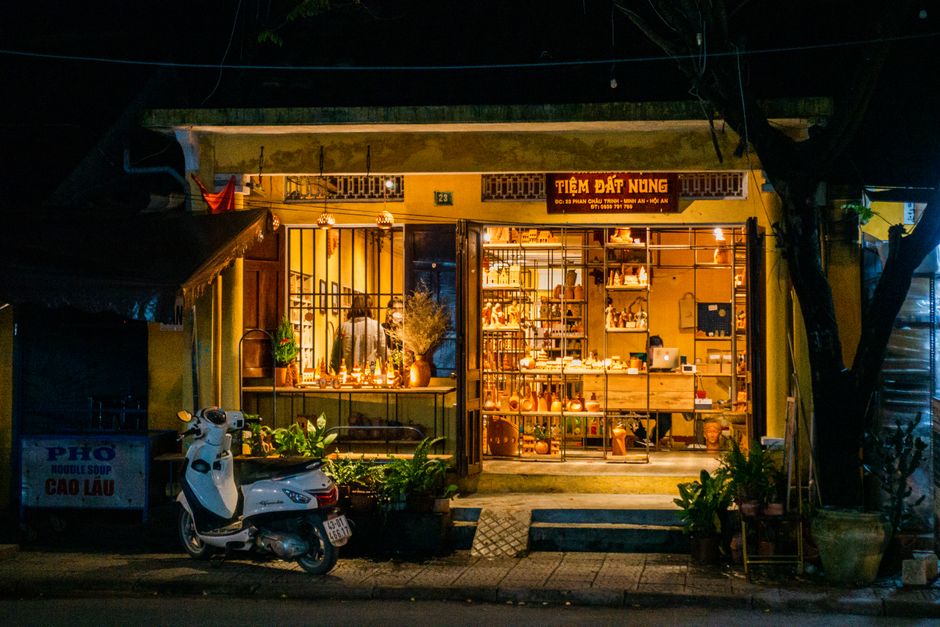
My first encounter with Cao Lau was, well, a revelation. I was wandering the lantern-lit streets of Hoi An, the air thick with the scent of incense and something…else. Something savory, slightly sweet, and utterly irresistible. I followed my nose (as any self-respecting foodie would) and stumbled upon a bustling little shop, its walls adorned with faded photographs and handwritten signs. Locals were packed in, slurping contentedly from bowls piled high with noodles and greens. It was Cao Lau, and my life was about to change.
The first bite was an explosion of textures and flavors. The chewy, slightly firm noodles, the crispy croutons, the tender pork, the fresh herbs…it was a symphony in my mouth! I'd never experienced anything quite like it. It wasn't just the taste; it was the feeling, the sense of being transported to another time and place. I knew instantly that I had to learn everything I could about this magical dish.
What Makes Cao Lau So Unique? The Magic Ingredients
So, what exactly is Cao Lau? It's a noodle dish that features several key components, each contributing to its unique and complex flavor profile. Here's a breakdown of the main players:
- The Noodles: These aren't your average rice noodles. They're thick, slightly yellowish, and have a delightfully chewy texture. The secret? Traditionally, the noodles are made using water from the ancient Ba Le well in Hoi An and ash from specific trees found on the nearby Cham Islands. This alkaline solution is said to give the noodles their distinctive color and firmness. (More on this later!)
- The Pork: Sliced char siu-style pork is a staple. It's typically marinated in a blend of spices, giving it a sweet and savory flavor. The pork is often roasted or grilled to perfection.
- Crispy Croutons: These aren't your average croutons either! They're small, square, and deep-fried to a golden brown crispiness. They add a delightful crunch to the dish. They are similar in flavor to pork rinds but made from noodle dough.
- Greens and Herbs: Fresh herbs and vegetables are essential. Think bean sprouts, lettuce, mint, and other locally sourced greens. They add a refreshing element and balance out the richness of the other ingredients.
- The Broth: This is where the magic truly happens. The broth is typically a rich, savory concoction made from pork bones, soy sauce, and a secret blend of spices. Each vendor has their own unique recipe, passed down through generations.
Unraveling the Mystery: The Legend of Ba Le Well
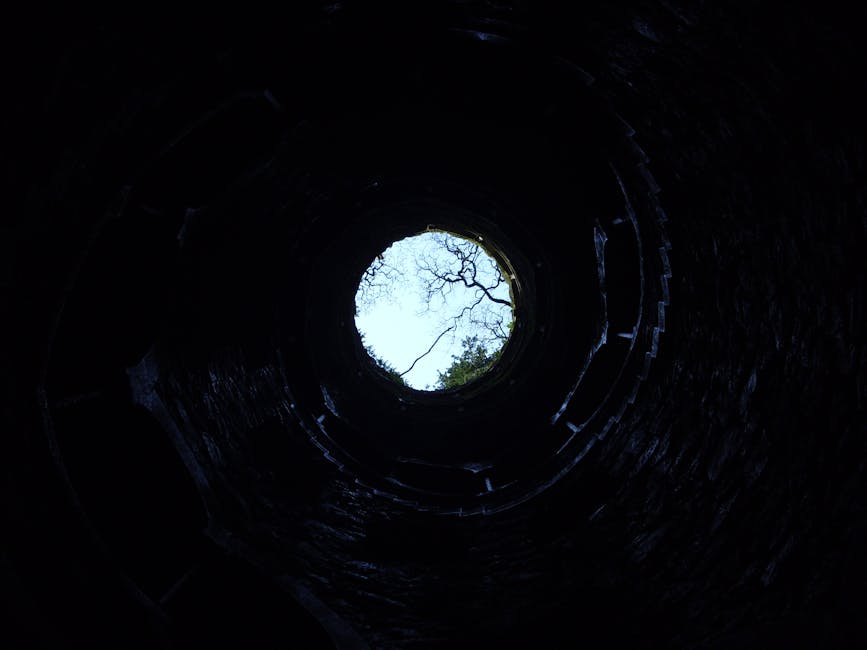
Remember that special water I mentioned from the Ba Le well? This is where things get truly fascinating. According to local legend, the water from this well has unique properties that are essential for making authentic Cao Lau noodles. The water is said to be exceptionally pure and naturally alkaline, thanks to the limestone bedrock it flows through. This alkalinity helps to give the noodles their distinctive texture and prevent them from becoming soggy.
The ash used in the noodle-making process is also crucial. This ash is traditionally obtained by burning specific trees found on the Cham Islands, a group of islands located off the coast of Hoi An. The minerals in the ash contribute to the noodle's color and firmness.
Now, I'm not a scientist, and I can't personally verify all of these claims, but I can tell you that the noodles are unlike anything I've ever tasted anywhere else! Whether it's the unique water and ash or just a whole lot of skill and tradition, the result is undeniably special.
Cao Lau vs. Other Vietnamese Noodles: A Flavor Comparison

You might be thinking, "Okay, sounds good, but how is Cao Lau different from pho or bun cha?" Great question! Here's a quick breakdown:
- Pho: Pho is a fragrant beef noodle soup, typically served with bean sprouts, herbs, and lime. The broth is the star of the show, simmered for hours with bones and spices. Pho is much more soup-based than Cao Lau.
- Bun Cha: Bun Cha features grilled pork patties served with rice noodles, fresh herbs, and a dipping sauce. It's more of a dry noodle dish compared to Cao Lau.
- Mi Quang: Mi Quang is another noodle dish from the Quang Nam province (where Hoi An is located). It also features broad noodles, but the broth is typically thicker and richer, often flavored with turmeric and peanuts. Mi Quang often includes ingredients like shrimp and chicken.
- Cao Lau: Cao Lau stands apart with its unique noodle texture, its combination of sweet and savory flavors, and its emphasis on crispy croutons. It's a dry noodle dish with just a small amount of concentrated broth.
While all these dishes are delicious in their own right, Cao Lau offers a unique flavor profile that reflects the history and culture of Hoi An. It's a culinary melting pot, drawing influences from Chinese, Japanese, and Vietnamese cuisine.
Finding the Best Cao Lau in Hoi An: My Personal Recommendations

Okay, so you're planning a trip to Hoi An and want to experience this culinary masterpiece for yourself? Excellent choice! Here are a few of my favorite spots to grab a bowl of Cao Lau:
- Thanh Cao Lau: This is a classic choice and a local favorite. They've been serving Cao Lau for generations, and their recipe is a closely guarded secret. Expect a simple, no-frills atmosphere and incredibly delicious Cao Lau.
- Mrs. Be's Cao Lau: Another popular spot with a loyal following. Mrs. Be's Cao Lau is known for its generous portions and flavorful broth.
- Central Market Food Stalls: For a more adventurous experience, head to the Hoi An Central Market. You'll find several vendors selling Cao Lau, each with their own unique twist. It's a great way to sample different variations and soak up the local atmosphere. Be prepared to bargain!
My advice? Don't be afraid to try Cao Lau from different vendors. Each one has their own unique take on the dish, and you might just discover your own personal favorite. Wander off the beaten path, chat with the locals, and let your taste buds be your guide!
Making Cao Lau at Home: An Ambitious Adventure (But Worth It!)

Okay, let's be real. Replicating authentic Cao Lau outside of Hoi An is a challenge. Getting your hands on the exact noodles made with Ba Le well water and Cham Island ash is nearly impossible. However, that doesn't mean you can't create a delicious and satisfying version at home. It will be a labor of love, but you can get a close approximation of the flavors. Here's how I approach it:
My Attempt at Homemade Cao Lau
First, let's talk about the noodles. Since authentic Cao Lau noodles are hard to find, you can substitute with thick rice noodles. Look for the chewiest ones you can find. They might not be exactly the same, but they'll do in a pinch. Here's a simplified recipe:
- The Broth: Combine pork bones, soy sauce, fish sauce, sugar, star anise, cinnamon stick, and cloves in a large pot. Simmer for at least 2 hours, or longer for a richer flavor. Strain the broth and set aside.
- The Pork: Marinate pork shoulder in a mixture of soy sauce, honey, garlic, ginger, and five-spice powder. Roast or grill until cooked through and slightly caramelized. Slice thinly.
- The Croutons: Cut rice paper into small squares and deep-fry until golden brown and crispy. Alternatively, you could try baking them for a healthier option.
- The Assembly: Place the noodles in a bowl, top with sliced pork, crispy croutons, fresh herbs, and bean sprouts. Ladle a small amount of broth over the noodles.
It's important to note that this is just a starting point. Feel free to experiment with different spices and ingredients to create your own unique version of Cao Lau. Don't be afraid to tweak the recipe to suit your taste preferences.
I've made it at home, and while it's definitely not the same as the Cao Lau I had in Hoi An, it's a satisfying way to experience the flavors of this unique dish. It's a great conversation starter and a fun culinary project to tackle.
Cao Lau: More Than Just a Meal, It's an Experience
Cao Lau is more than just a noodle dish; it's a symbol of Hoi An's rich history and cultural heritage. It's a testament to the power of food to transport us to another time and place. It represents the fusion of different cultures and the ingenuity of local artisans. It is a culinary masterpiece. When you taste Cao Lau, you're not just eating a meal; you're experiencing a piece of Vietnamese history.
So, the next time you find yourself in Hoi An, make sure to seek out a bowl of Cao Lau. Take your time, savor the flavors, and appreciate the history behind this incredible dish. It's an experience you won't soon forget. And who knows, maybe you'll fall in love with it as much as I did!
Happy eating, my friend!

Post a Comment for "Cao Lau: Unlocking the Secrets of Hoi An's Mystical Noodle Masterpiece"
Post a Comment