Banh Cuon: A Journey into Vietnam's Delicate Steamed Rice Rolls & My Family's Secret
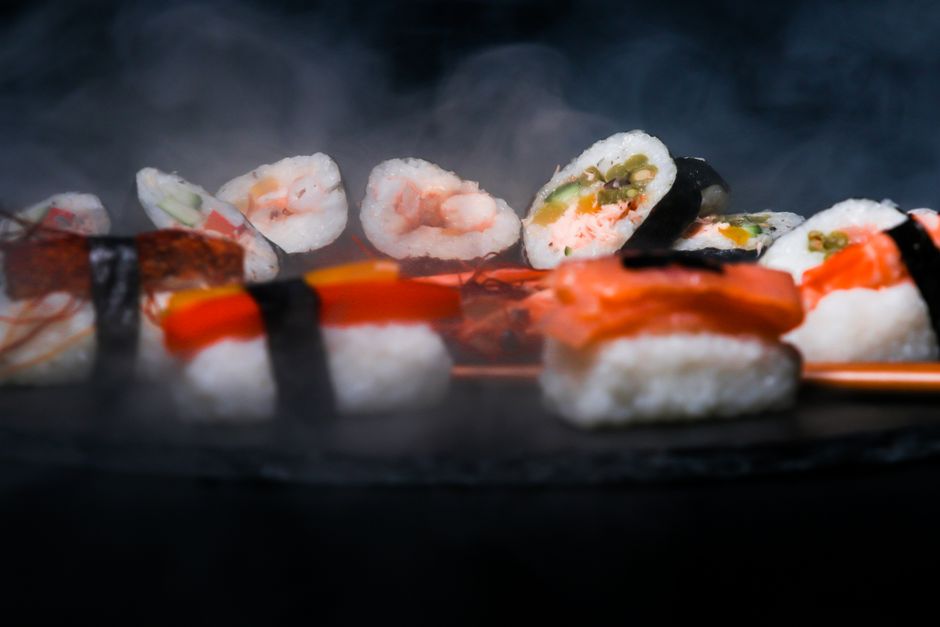
Banh Cuon: A Journey into Vietnam's Delicate Steamed Rice Rolls & My Family's Secret
Okay, let's talk about Banh Cuon. Not just any Banh Cuon, but the kind that makes your eyes roll back in your head with delight. The kind that transports you straight to the bustling streets of Vietnam, even if you're just sitting in your kitchen. I'm going to share with you my love affair with this delicate dish, and a few secrets passed down through my family that will hopefully inspire you to try your hand at making it yourself.
What Exactly Is Banh Cuon?

Simply put, Banh Cuon are steamed rice rolls. Imagine the thinnest, most delicate crepe you've ever seen, but made from fermented rice batter and steamed to perfection. This thin sheet is then rolled up, usually filled with a savory mixture of ground pork and wood ear mushrooms, and served with crispy fried shallots, Vietnamese ham (cha lua), bean sprouts, and a dipping sauce called nuoc cham. But honestly, "simply put" doesn't do it justice. It's so much more than just ingredients; it's about the texture, the aroma, and the harmonious blend of flavors.
Think of it like this: you're chasing a perfect bite. The soft, slightly chewy rice roll, the savory pork filling, the crunch of the fried shallots, the fresh herbs, all dipped in that sweet, sour, and salty nuoc cham. It's a symphony in your mouth!
My Banh Cuon Awakening: A Childhood Memory

My earliest memories of Banh Cuon are intertwined with my grandmother, Ba Ngoai. Every Sunday, our tiny kitchen would transform into a Banh Cuon factory. The rhythmic swoosh of the steamer lid, the sweet smell of fermenting rice, the chatter of family members – it was a sensory overload in the best possible way. Ba Ngoai, with her hands weathered by years of cooking, was the maestro. She'd gracefully spread the rice batter onto the steaming cloth, creating those ethereal sheets with incredible speed and precision. She made it look effortless, though I know now how much skill and practice it takes.
I wasn't allowed to touch the hot steamer, of course. My job was to patiently wait (a Herculean task for a child!) and then devour the freshly made Banh Cuon with gusto. Those Sunday mornings instilled in me a deep appreciation for Vietnamese cuisine and the importance of family traditions. More importantly, I learned that food is more than just sustenance; it's a way to connect, to share love, and to preserve our heritage.
The Nuances of the Rice Batter: The Heart of Banh Cuon

Okay, so here's where things get a bit more technical, but don't worry, I'll break it down. The rice batter is the foundation of Banh Cuon, and getting it right is crucial. You have a few options here, but I'll share my family's method (which I think is the best, naturally!).
Option 1: Using Rice Flour and Tapioca Starch
This is the most common method and what you'll likely find in most recipes. You'll mix rice flour (the kind specifically for Banh Cuon is ideal), tapioca starch (for that chewy texture), and water. Some people add a touch of oil for suppleness. The key is to get the ratio just right and to let the batter rest for at least an hour, or even overnight. This allows the rice flour to fully hydrate and the tapioca starch to swell, resulting in a smoother, more pliable batter. This is generally the easiest and quickest method for those trying Banh Cuon for the first time.
Option 2: The Traditional Method (Soaking Rice)
This is Ba Ngoai's method, and it's a bit more involved, but I promise it's worth it! It involves soaking uncooked rice (long-grain is best) overnight, then grinding it into a smooth batter using a wet grinder or a high-powered blender. This method produces a richer, more flavorful Banh Cuon with a slightly different texture. The fermentation process also adds a subtle tang that's truly unique. It's how Banh Cuon was traditionally made, and you really taste the difference.
My Family's Secret Ingredient: A Pinch of Baking Powder
Okay, lean in close, because this is a secret Ba Ngoai swore me to secrecy on (but I trust you!). A tiny pinch of baking powder added to the rice batter right before steaming creates a slightly more airy and delicate texture. Don't overdo it; just a pinch will do the trick! It's a subtle difference, but it elevates the Banh Cuon to another level.
The Savory Filling: Pork and Wood Ear Mushroom Magic
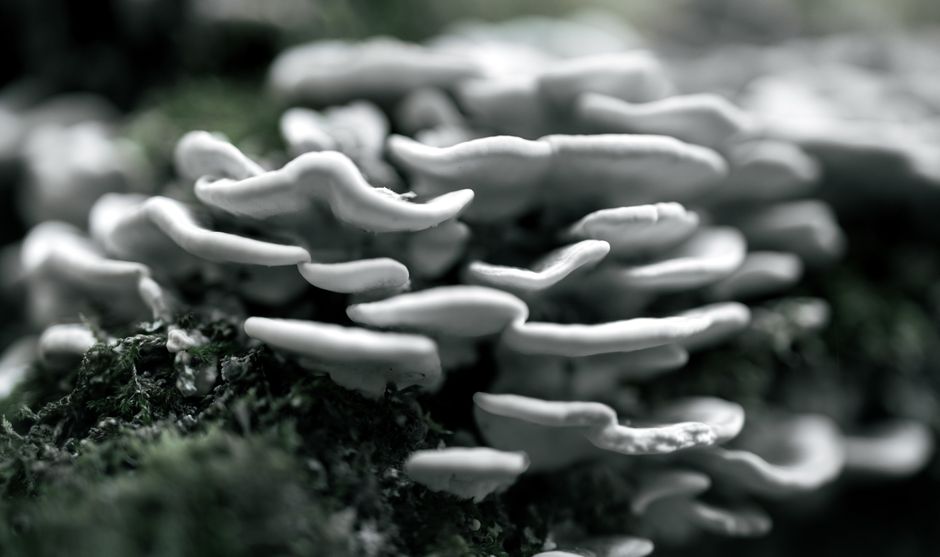
While the rice roll itself is important, the filling is what adds that savory punch. The classic filling is a mixture of ground pork and wood ear mushrooms (also known as cloud ear mushrooms). Here's how I make mine:
- Soak the wood ear mushrooms: Rehydrate the dried mushrooms in warm water until they are soft and pliable. Then, finely chop them.
- Prepare the pork: I prefer using ground pork with a bit of fat for flavor. Season it with salt, pepper, sugar, and a touch of fish sauce.
- Sauté the ingredients: Heat some oil in a pan and sauté the pork until it's cooked through. Add the chopped wood ear mushrooms and continue to sauté for a few more minutes.
- Season to taste: Adjust the seasoning as needed. You want a good balance of savory, slightly sweet, and umami.
Variations: Feel free to get creative with the filling! Some people add minced shrimp, ground chicken, or even tofu for a vegetarian option. Experiment and find what you love!
The Art of Steaming: Creating the Perfect Rice Sheet

Steaming Banh Cuon requires a bit of technique, but with a little practice, you'll get the hang of it. You'll need a special Banh Cuon steamer, which consists of a pot filled with boiling water and a frame with a thin cloth stretched tightly over it. The cloth needs to be taut, almost like a drum. If you don't have a Banh Cuon steamer, you can improvise using a large pot and a heat-resistant cloth, but a dedicated steamer makes the process much easier.
Here's the process:
- Prepare the steamer: Make sure the water in the pot is boiling vigorously. Stretch the cloth tightly over the frame and secure it.
- Apply the batter: Using a ladle, pour a thin layer of rice batter onto the cloth, spreading it evenly. You want the layer to be thin enough to see through slightly.
- Steam the roll: Cover the steamer with a lid and steam for about 1-2 minutes, or until the rice sheet is cooked through and appears translucent.
- Remove the roll: Using a bamboo spatula or a thin, flexible knife, carefully lift the rice sheet from the cloth. It should come off easily if it's cooked properly.
- Fill and roll: Place a spoonful of the pork and mushroom filling onto the rice sheet and roll it up tightly.
Tips for Success:
- Keep the cloth taut: A loose cloth will result in unevenly cooked rice sheets.
- Don't overcook: Overcooked rice sheets will be tough and rubbery.
- Work quickly: The rice sheets will dry out if you let them sit for too long before rolling.
- Grease the cloth: Lightly greasing the cloth with oil will prevent the rice sheets from sticking. My family used to use a halved shallot to rub a light layer of oil on the cloth!
The Nuoc Cham: The Soul of Banh Cuon

No Banh Cuon experience is complete without Nuoc Cham, the quintessential Vietnamese dipping sauce. This sauce is the magic that ties everything together. It's a perfect balance of sweet, sour, salty, and spicy. There are countless variations, but here's my go-to recipe:
- Ingredients: Fish sauce, water, lime juice, sugar, minced garlic, and chopped chili.
- Ratio: The key is to get the ratio right. I usually start with equal parts fish sauce, water, and lime juice, then adjust the sugar and chili to taste. You want a sauce that's both flavorful and balanced. Taste as you go!
Tips for the perfect Nuoc Cham:
- Use good quality fish sauce: This makes a huge difference in the overall flavor.
- Use fresh lime juice: Bottled lime juice just doesn't compare.
- Adjust the spice level to your preference: Some people like it mild, while others prefer it fiery hot.
- Let it sit: Allowing the sauce to sit for a while allows the flavors to meld together.
Serving and Enjoying Your Banh Cuon
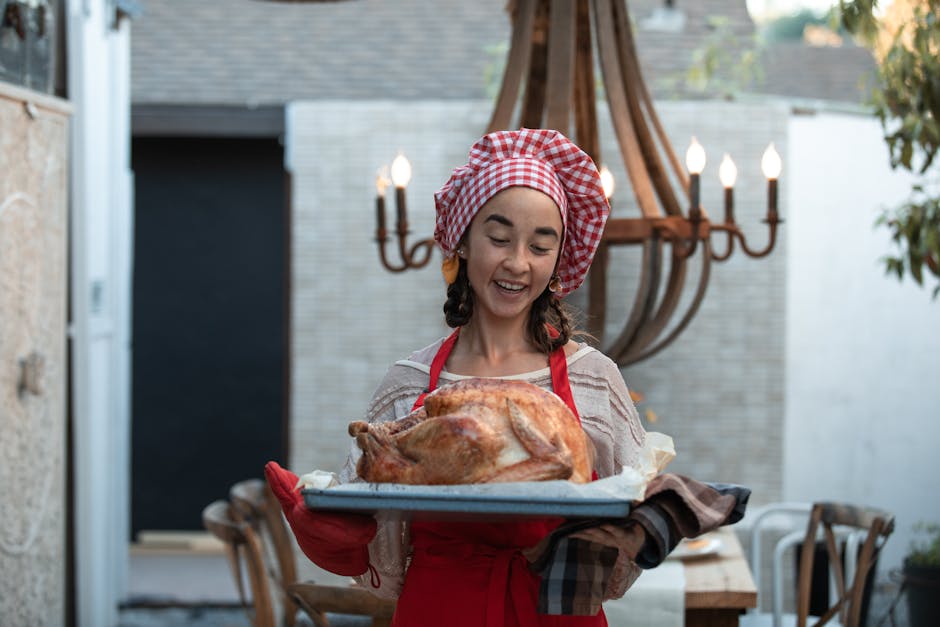
Now for the fun part – eating! Banh Cuon is traditionally served with:
- Crispy fried shallots: These add a delightful crunch and savory flavor.
- Vietnamese ham (cha lua): Sliced thin, it adds a salty and slightly sweet element.
- Bean sprouts: These provide a refreshing crunch.
- Fresh herbs: Mint, cilantro, and Thai basil are all great additions.
Arrange the Banh Cuon on a plate, top with the fried shallots, cha lua, bean sprouts, and herbs. Serve with a generous bowl of Nuoc Cham for dipping. Each person can assemble their own perfect bite, dipping the Banh Cuon into the sauce and adding their preferred toppings.
Beyond the Basics: Variations and Creative Twists

Once you've mastered the classic Banh Cuon, feel free to experiment with different variations and creative twists. Here are a few ideas to get you started:
- Vegetarian Banh Cuon: Use tofu or a mixture of mushrooms and vegetables for the filling.
- Seafood Banh Cuon: Add shrimp, crab, or scallops to the filling.
- Spicy Banh Cuon: Add extra chili to the Nuoc Cham or incorporate chili paste into the filling.
- Sweet Banh Cuon: Although less traditional, you can experiment with sweet fillings like shredded coconut and mung bean paste for a dessert version.
Why Banh Cuon is More Than Just a Dish

For me, Banh Cuon isn't just a dish; it's a symbol of family, tradition, and love. Every time I make it, I'm transported back to my grandmother's kitchen, surrounded by the warmth and laughter of my family. It's a taste of home, no matter where I am in the world.
I encourage you to try making Banh Cuon yourself. It might seem intimidating at first, but with a little patience and practice, you'll be rewarded with a delicious and authentic Vietnamese experience. And who knows, maybe you'll even create your own family tradition around this incredible dish.
So, grab your ingredients, put on some Vietnamese music (or whatever makes you happy), and get ready to embark on a culinary adventure. Chúc ngon miệng (bon appétit)! And don't forget the pinch of baking powder – Ba Ngoai would want you to have the best Banh Cuon possible!

Post a Comment for "Banh Cuon: A Journey into Vietnam's Delicate Steamed Rice Rolls & My Family's Secret"
Post a Comment