Your First Adventure: A Beginner's Guide to Exploring the Wonders of Vietnam
Your First Adventure: A Beginner's Guide to Exploring the Wonders of Vietnam
So, you're thinking about Vietnam? Amazing choice! I remember the thrill of planning my first trip there – the vibrant images of bustling cities, serene rice paddies, and delicious food danced in my head. But like any adventure, a little preparation goes a long way. Vietnam is a country that gets under your skin, but knowing what to expect beforehand will make your journey even more rewarding. Let's dive in, shall we? I'm going to share everything I wish I'd known before I hopped on that plane.
Visa Requirements and Entry: Getting Your Foot in the Door
Let's tackle the first hurdle: getting into the country! The visa situation for Vietnam can be a bit confusing, so it's best to research the requirements based on your nationality well in advance. Here's a general overview:
- Visa Exemption: Some nationalities are eligible for visa-free entry for a specific duration (typically 15-30 days). Check the Vietnamese embassy website in your country to see if you qualify.
- E-Visa: This is often the easiest option. You can apply online for a 30-day, single-entry visa. The process is generally straightforward, but be sure to apply through the official government website to avoid scams.
- Visa on Arrival (VOA): This used to be a popular option, but it's becoming less common and often requires pre-approval from a travel agency. I'd recommend sticking with the e-visa if possible.
Important tip: Whichever visa type you choose, make sure your passport has at least six months of validity remaining from your date of entry. Trust me, you don't want to be turned away at the airport!
When to Go: Finding Your Perfect Weather Window
Vietnam's climate varies significantly from north to south. Think of it like three different mini-climates: the North, the Central region, and the South.
The North (Hanoi, Sapa, Ha Long Bay): Here, you'll experience four distinct seasons.
- Spring (March-April): Pleasant temperatures, blooming flowers, and occasional showers. A lovely time to visit.
- Summer (May-August): Hot and humid, with the possibility of typhoons. Best avoided if you're not a fan of intense heat.
- Autumn (September-November): My personal favorite! Clear skies, cooler temperatures, and beautiful scenery.
- Winter (December-February): Cool and sometimes chilly, especially in the mountains. Pack accordingly!
The Central Region (Da Nang, Hoi An, Hue): This area is prone to typhoons and flooding during the rainy season (September-December). The best time to visit is generally from February to May, when the weather is warm and dry.
The South (Ho Chi Minh City, Mekong Delta): Expect consistently warm and humid weather year-round. The rainy season runs from May to November, but the downpours are usually short and intense. The dry season (December-April) is ideal for exploring this region.
I visited in October, and the weather in the North was absolutely perfect. Mild temperatures and clear skies made exploring Hanoi and Ha Long Bay a dream. Research the specific regions you plan to visit and choose your travel dates accordingly!
Money Matters: Dong, Dollars, and Haggling
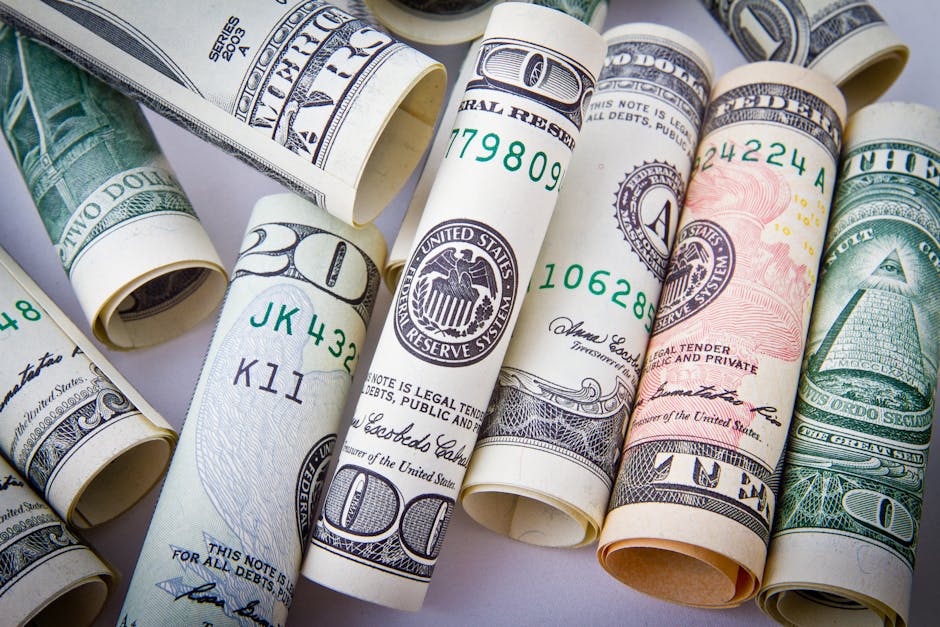
The Vietnamese currency is the Dong (VND). Don't be surprised when you see a lot of zeros! One US dollar typically exchanges for around 23,000 VND. While some larger establishments may accept US dollars, it's best to use Dong for most transactions.
Here's what I learned about managing money:
- ATMs: ATMs are widely available in cities and tourist areas. However, be aware that they may charge transaction fees. I found that ATMs at larger banks like Vietcombank often had the lowest fees.
- Credit Cards: Credit cards are accepted in larger hotels, restaurants, and shops, but not everywhere. It's always a good idea to carry cash.
- Haggling: Bargaining is a way of life in Vietnam, especially in markets and smaller shops. Don't be afraid to negotiate the price, but always do so respectfully. Start by offering about half the asking price and work your way up. A smile and a friendly attitude go a long way!
- Budgeting: Vietnam is generally a very affordable country. You can easily travel on a budget of $30-$50 USD per day, depending on your accommodation choices and activities.
I recommend withdrawing a decent amount of cash upon arrival and keeping it securely stored. Also, inform your bank about your travel plans to avoid having your card blocked.
Getting Around: Navigating the Chaos (and the Beauty)
Transportation in Vietnam can be an adventure in itself! Here are a few options:
- Motorbikes: This is the most common mode of transportation for locals. While renting a motorbike can be tempting, I wouldn't recommend it for first-timers unless you're a confident and experienced rider. The traffic can be chaotic, and accidents are common.
- Taxis: Taxis are readily available in cities, but be sure to use reputable companies like Vinasun or Mai Linh. Insist on using the meter to avoid being overcharged.
- Grab: This is Southeast Asia's answer to Uber. It's convenient, affordable, and often more reliable than taxis. Download the Grab app on your phone.
- Buses: Buses are a cheap and efficient way to travel between cities. Overnight buses are a popular option for longer distances.
- Trains: The Reunification Express train runs the length of the country, connecting Hanoi and Ho Chi Minh City. It's a scenic and comfortable way to travel.
- Domestic Flights: For longer distances, domestic flights can save you a lot of time. Vietnam Airlines, Vietjet Air, and Bamboo Airways offer affordable flights.
I personally used a combination of taxis, Grab, and overnight buses. The overnight buses were surprisingly comfortable, with reclining seats and blankets provided. Just be prepared for some bumpy rides!
Food, Glorious Food: A Culinary Adventure
Vietnamese cuisine is one of the highlights of any trip to Vietnam. Fresh ingredients, fragrant herbs, and bold flavors make for an unforgettable culinary experience. Prepare to have your taste buds tantalized!
Here are some must-try dishes:
- Pho: The iconic Vietnamese noodle soup. A flavorful broth, rice noodles, herbs, and meat (usually beef or chicken). Every region has its own variation.
- Banh Mi: A crispy baguette filled with pate, meat, pickled vegetables, cilantro, and chili. A perfect street food snack.
- Goi Cuon (Fresh Spring Rolls): Translucent rice paper rolls filled with vermicelli noodles, vegetables, shrimp, and herbs. Served with a delicious peanut dipping sauce.
- Bun Cha: Grilled pork served with vermicelli noodles, fresh herbs, and a dipping sauce. A Hanoi specialty.
- Cao Lau: A Hoi An specialty consisting of thick noodles, pork, greens, and crispy croutons in a flavorful broth.
- Com Tam (Broken Rice): A popular dish in the South, consisting of broken rice served with grilled pork chop, shredded pork skin, fried egg, and pickled vegetables.
- Egg Coffee: Don't knock it till you try it! This rich and creamy coffee drink is made with egg yolks, sugar, and condensed milk.
A few tips for eating like a local:
- Street Food: Don't be afraid to try street food! It's often the most authentic and delicious food you'll find. Look for stalls that are popular with locals.
- Hygiene: Choose street food stalls that appear clean and well-maintained. Observe how the food is prepared and cooked.
- Water: Drink bottled water or boiled water only. Avoid ice in drinks unless you're sure it's made with purified water.
- Spice: Vietnamese food can be spicy! If you're sensitive to spice, ask for "khong cay" (not spicy).
One of my fondest memories is sitting on a tiny plastic stool in Hanoi, slurping down a bowl of Pho and watching the world go by. Embrace the street food scene – it's an integral part of the Vietnamese experience!
What to Pack: Essentials for Your Vietnamese Adventure

Packing for Vietnam requires a bit of thought, considering the climate and activities you'll be doing. Here's my recommended packing list:
- Lightweight Clothing: Pack light, breathable clothing made from natural fibers like cotton or linen.
- Rain Gear: A lightweight raincoat or umbrella is essential, especially during the rainy season.
- Comfortable Shoes: You'll be doing a lot of walking, so pack comfortable shoes. Sandals or flip-flops are also useful.
- Sunscreen and Insect Repellent: Protect yourself from the sun and mosquitoes.
- Medications: Bring any necessary medications, as well as a basic first-aid kit.
- Adapter: Vietnam uses type A, C, and F plugs.
- Phrasebook: Learning a few basic Vietnamese phrases will go a long way.
- Small Backpack: For day trips and carrying essentials.
- Sarong: Versatile for covering up at temples or using as a beach towel.
I made the mistake of overpacking on my first trip. Trust me, you can buy almost anything you need in Vietnam, and it's often cheaper than bringing it from home. Leave some room in your suitcase for souvenirs!
Staying Connected: Internet and Communication
Staying connected is easy in Vietnam. Wi-Fi is widely available in hotels, cafes, and restaurants. You can also purchase a local SIM card for affordable data access.
Here's what I recommend:
- Local SIM Card: Buy a SIM card at the airport upon arrival or from a mobile phone shop in the city. Viettel, Mobifone, and Vinaphone are the major providers.
- WhatsApp: This is the most popular messaging app in Vietnam. Use it to communicate with locals and fellow travelers.
I purchased a Viettel SIM card with a data package, and it worked flawlessly throughout my trip. It was incredibly convenient for navigating, booking transportation, and staying in touch with family back home.
Respectful Travel: Etiquette and Customs
Vietnam has a rich and unique culture. Showing respect for local customs and traditions will enhance your travel experience. Here are a few things to keep in mind:
- Dress Code: Dress modestly when visiting temples and pagodas. Cover your shoulders and knees.
- Shoes: Remove your shoes before entering homes, temples, and some shops.
- Gestures: Avoid pointing your feet at people or objects. It's considered disrespectful.
- Temples: Do not touch Buddha statues or point at them.
- Public Displays of Affection: Avoid excessive public displays of affection.
- Bargaining: Bargain respectfully. Don't get angry or aggressive.
- Tipping: Tipping is not customary in Vietnam, but it's always appreciated for good service.
Learning a few basic Vietnamese phrases, such as "Xin chào" (hello) and "Cảm ơn" (thank you), will be greatly appreciated by locals. A little effort goes a long way!
Safety and Health: Staying Safe and Sound

Vietnam is generally a safe country for tourists, but it's always wise to take precautions. Here are a few safety tips:
- Petty Theft: Be aware of your surroundings and keep an eye on your belongings, especially in crowded areas.
- Scams: Be wary of scams, such as overcharging for taxi rides or selling fake goods.
- Traffic: Be extra careful when crossing the street. Look both ways multiple times.
- Food and Water: Follow the guidelines for food and water safety mentioned earlier.
- Medical Care: If you need medical attention, seek out reputable hospitals or clinics. International SOS and FV Hospital are good options in major cities.
- Travel Insurance: Make sure you have comprehensive travel insurance that covers medical expenses, theft, and trip cancellations.
Regarding health, consult your doctor about necessary vaccinations and malaria precautions before your trip. Dengue fever is also a risk, so use insect repellent and wear long sleeves and pants in the evenings.
Final Thoughts: Embrace the Adventure!

Vietnam is a country that will challenge you, inspire you, and leave you with memories that will last a lifetime. Don't be afraid to step outside your comfort zone, embrace the chaos, and immerse yourself in the local culture. Be open to new experiences, try new foods, and talk to the friendly locals. You'll be amazed at what you discover.
So, pack your bags, book your flight, and get ready for an unforgettable adventure in Vietnam. I promise you won't regret it!

Post a Comment for "Your First Adventure: A Beginner's Guide to Exploring the Wonders of Vietnam"
Post a Comment