War Remnants Museum: A Powerful & Moving Journey Through Vietnam's Past
War Remnants Museum: A Powerful & Moving Journey Through Vietnam's Past
Okay, so let me tell you about a place that really stuck with me – the War Remnants Museum in Ho Chi Minh City, Vietnam. It's not your typical tourist attraction; it's a raw, unfiltered look at the Vietnam War (or, as it's known in Vietnam, the American War) and its devastating consequences. I went in expecting to learn something, but I came out feeling... well, profoundly changed. It's an experience that stays with you, long after you've left. Prepare yourself, because it's intense, but incredibly important.
More Than Just a Museum: It's a Testament

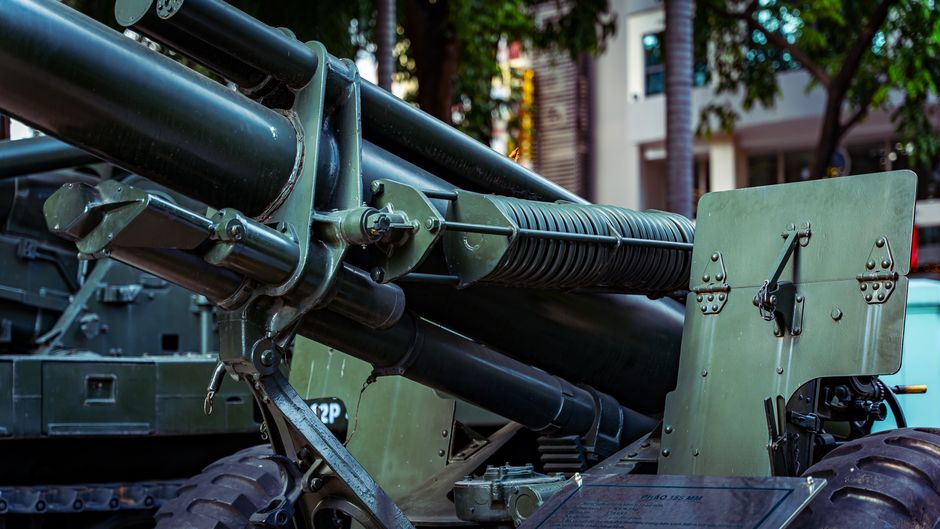
The War Remnants Museum isn't just a collection of artifacts behind glass. It's a carefully curated narrative, a series of visual stories that piece together the human cost of war. It doesn't shy away from the harsh realities, and that's exactly why it's so impactful. From the moment you step onto the grounds, you're confronted with the physical reminders of conflict: tanks, helicopters, artillery pieces, and even bomb casings litter the courtyard. It's a stark introduction to what awaits you inside.
First Impressions: Confronting the Machinery of War

Honestly, walking amongst those massive war machines was a bit overwhelming. They're not just rusty old relics; they're tangible symbols of the scale of destruction and the sheer firepower that was unleashed. You can almost feel the weight of history pressing down on you. Seeing the actual tanks and aircraft used in the war helps to visualize the conflict in a way that reading about it simply can't. It really drives home the magnitude of the war effort, both on the part of the Americans and the resilience of the Vietnamese people.
Inside the Museum: A Chronicle of Suffering

The real gut punch, however, comes when you step inside the museum building itself. The exhibits are organized thematically, each focusing on a different aspect of the war and its impact. You'll find:
- Photographic Exhibitions: These are arguably the most powerful and emotionally challenging parts of the museum. Images from both Vietnamese and international photographers capture the brutality of the war with unflinching honesty. Prepare to see scenes of combat, civilian casualties, and the long-term effects of Agent Orange.
- "Agent Orange Consequences" Exhibit: This section is particularly heartbreaking. It details the devastating effects of the defoliant Agent Orange, used extensively by the U.S. military to clear forests and deprive the Viet Cong of cover. The exhibit shows the horrific birth defects and health problems suffered by generations of Vietnamese people who were exposed to the chemical. Seeing the photographs of children with severe deformities is something you won't easily forget.
- "Aggression War Crimes" Exhibit: This exhibit presents the Vietnamese perspective on the war, highlighting what they consider to be war crimes committed by the American military. It includes photographs and documentation of massacres, bombings, and the use of torture. It's important to approach this section with an open mind, recognizing that it represents one side's interpretation of events.
- "Historical Truths" Exhibit: This area provides historical context for the war, outlining the political and social factors that led to the conflict. It also explores the international opposition to the war, with exhibits showcasing the anti-war movement in the United States and around the world.
Photographs That Speak Volumes

I spent a lot of time just staring at the photographs. They weren't just snapshots; they were windows into moments of intense suffering, courage, and resilience. There were images of children orphaned by the war, of villages reduced to rubble, and of soldiers on both sides caught in the throes of battle. What struck me most was the humanity in those faces, even amidst the chaos and destruction. You could see the fear, the pain, and the determination etched into every line and wrinkle.
The Haunting Reality of Agent Orange

The Agent Orange exhibit was, without a doubt, the hardest part of the museum for me. Seeing the long-term consequences of this chemical warfare was absolutely devastating. The photographs of children born with severe birth defects, often spanning multiple generations after the initial exposure, were incredibly difficult to look at. It brought home the fact that the war didn't end with the signing of peace treaties; its legacy continues to affect the lives of countless Vietnamese people to this day. It really makes you think about the long-term ethical implications of warfare and the responsibility we have to address the consequences of our actions.
Understanding Different Perspectives

It's crucial to remember that the War Remnants Museum presents a very specific perspective – the Vietnamese perspective. It's a powerful and important perspective, but it's not the only one. I think it's essential to approach the museum with an open mind, recognizing that history is complex and multifaceted. While the museum focuses on the suffering of the Vietnamese people, it's important to acknowledge the sacrifices made by soldiers on both sides of the conflict, and the pain and loss experienced by American families as well. A truly comprehensive understanding of the Vietnam War requires exploring multiple viewpoints and considering the historical context from different angles.
Why You Should Visit (Even Though It's Hard)

I know, I know, it sounds like a really heavy experience. And it is. But I truly believe that visiting the War Remnants Museum is important, especially for those of us who didn't live through the Vietnam War. Here's why:
- To Learn About History: The museum provides a valuable opportunity to learn about the Vietnam War from a perspective that is often overlooked in Western narratives.
- To Empathize with Suffering: Seeing the impact of war on the Vietnamese people can help to foster empathy and understanding for those who have been affected by conflict.
- To Reflect on the Consequences of War: The museum forces you to confront the devastating consequences of war, both on a human level and on a societal level.
- To Promote Peace: By understanding the horrors of war, we can work towards preventing future conflicts and promoting peace and understanding.
Beyond the Exhibits: Reflecting on What You've Seen

After walking through the exhibits, I needed some time to just sit and process everything I had seen and felt. The museum has a small courtyard where you can sit and reflect. I highly recommend taking advantage of this space to allow yourself to absorb the experience. It's easy to feel overwhelmed, so it's important to give yourself time to decompress and consider the implications of what you've learned.
Tips for Visiting the War Remnants Museum
If you're planning a visit to the War Remnants Museum, here are a few tips that might be helpful:
- Be Prepared Emotionally: As I've mentioned, the museum can be very emotionally challenging. Be prepared to see graphic images and hear heartbreaking stories. It's okay to take breaks and step outside if you need to.
- Allow Plenty of Time: There's a lot to see and absorb at the museum. I recommend allocating at least 2-3 hours for your visit.
- Consider a Guided Tour: While you can certainly explore the museum on your own, a guided tour can provide valuable context and insights into the exhibits.
- Dress Respectfully: As a sign of respect for the Vietnamese people and the victims of the war, it's appropriate to dress modestly when visiting the museum.
- Be Respectful of Other Visitors: Remember that you're sharing this experience with other people who may be deeply affected by what they're seeing. Be mindful of your behavior and avoid making loud noises or taking disrespectful photographs.
- Hydrate: Ho Chi Minh City is hot and humid. Be sure to bring water and stay hydrated.
My Lasting Impression: A Call for Peace

The War Remnants Museum is not an easy place to visit, but it's a profoundly important one. It's a reminder of the human cost of war, the importance of empathy, and the urgent need to strive for peace. It's a place that challenges your perceptions, makes you question your assumptions, and leaves you with a deeper understanding of the complexities of history. I left feeling humbled, saddened, and ultimately, more committed to working towards a more peaceful world. I hope that if you ever find yourself in Ho Chi Minh City, you'll take the time to visit the War Remnants Museum. It's an experience you won't soon forget. And hopefully, it will inspire you, as it did me, to make a positive difference in the world.
Accessibility and Practical Information

The museum is located at 28 Vo Van Tan, District 3, Ho Chi Minh City. It's easily accessible by taxi or bus. The entrance fee is relatively inexpensive, making it accessible to a wide range of visitors. The museum is generally open daily from 7:30 AM to 6:00 PM. While photography is permitted in most areas, it's important to be respectful and avoid taking flash photographs in dimly lit exhibits. There are restrooms and a small gift shop on site. Parts of the museum are wheelchair accessible, but some areas may be difficult to navigate. It's best to check with the museum in advance if you have specific accessibility concerns.

Post a Comment for "War Remnants Museum: A Powerful & Moving Journey Through Vietnam's Past"
Post a Comment