Vietnam Adventure: Your Step-by-Step Guide to an Unforgettable Journey

Vietnam Adventure: Your Step-by-Step Guide to an Unforgettable Journey
Hey there, fellow travel enthusiast! So, you're dreaming of Vietnam? That's fantastic! Trust me, you're in for a treat. Vietnam is a country that's totally captured my heart with its vibrant culture, breathtaking landscapes, mouthwatering food, and genuinely kind people. I've been lucky enough to explore different corners of this amazing country, and I want to share my experiences and insights to help you plan your own perfect Vietnam adventure. Planning can seem a bit daunting at first, but with a little guidance, you can create a trip that's tailored to your interests and budget. Let's dive in!
1. Define Your Vietnam Dream: What Kind of Adventure Are You After?

Before you start booking flights and hotels, take a moment to really think about what you want to experience in Vietnam. Are you a history buff eager to explore ancient temples and war memorials? A foodie on a mission to taste every delicious dish the country has to offer? An adventurer looking to hike through rice paddies and kayak in turquoise waters? Or maybe you're just seeking a relaxing beach getaway? Knowing your priorities will help you narrow down your itinerary and make the most of your time.
To get you started, consider these questions:
- What are your must-see attractions? Do the iconic Ha Long Bay, the bustling streets of Hanoi, or the ancient town of Hoi An immediately spring to mind?
- What activities are you most interested in? Think trekking, cooking classes, motorbike adventures, or simply soaking up the sun on a beautiful beach.
- What's your travel style? Are you a budget backpacker, a luxury traveler, or somewhere in between? This will greatly influence your accommodation and transportation choices.
- How much time do you have? Vietnam is a long country, and seeing everything in one trip is impossible. Prioritize the regions and activities that resonate most with you.
Once you have a clearer picture of your Vietnam dream, you can move on to the next step: deciding on your itinerary.
2. Crafting Your Itinerary: A Balancing Act

Creating an itinerary is where the real fun begins! But it's also crucial to be realistic about how much you can realistically fit into your trip. Remember, Vietnam is longer than you might think, and travel between cities can take longer than expected. I've learned this the hard way, trying to cram too much into a short trip and ending up exhausted! Here's how I approach building an itinerary:
A. Breaking Down the Regions:
Vietnam can broadly be divided into three regions:
- Northern Vietnam: Think stunning mountain landscapes, vibrant ethnic minority cultures, and the iconic Ha Long Bay. Highlights include Hanoi, Sapa, Ha Giang, and Ninh Binh. This area tends to be cooler than the south, especially during winter (December-February).
- Central Vietnam: A blend of history, beaches, and charming towns. Key attractions include Da Nang, Hoi An, Hue, and Phong Nha-Ke Bang National Park. The weather here can be unpredictable, with the rainy season typically occurring between September and December.
- Southern Vietnam: Bustling cities, the Mekong Delta's intricate waterways, and beautiful beaches. Major destinations include Ho Chi Minh City (Saigon), Phu Quoc Island, and the Mekong Delta region. The climate is generally warm and humid year-round.
B. Sample Itineraries (Adjust to Your Time):
Here are a couple of sample itineraries to get your creative juices flowing. Remember to customize them to your interests and timeframe:
10-Day Vietnam Highlights:
- Days 1-3: Hanoi: Explore the Old Quarter, visit Hoan Kiem Lake, enjoy a water puppet show, and take a cooking class.
- Days 4-5: Ha Long Bay: Cruise through the stunning bay, kayak through hidden lagoons, and enjoy onboard activities.
- Days 6-8: Hoi An: Wander through the ancient town, get clothes tailored, relax on An Bang Beach, and visit the My Son Sanctuary.
- Days 9-10: Ho Chi Minh City: Explore the War Remnants Museum, visit the Cu Chi Tunnels, and experience the city's vibrant nightlife.
14-Day Vietnam Adventure:
- Days 1-3: Hanoi: (As above)
- Days 4-6: Sapa: Trek through rice terraces, visit ethnic minority villages, and enjoy breathtaking mountain views.
- Days 7-8: Ha Long Bay: (As above)
- Days 9-11: Hoi An: (As above)
- Days 12-14: Mekong Delta: Explore the waterways by boat, visit floating markets, and experience rural Vietnamese life.
Important Tip: Don't overpack your itinerary. Leave some room for spontaneity and unexpected adventures. Some of my best memories in Vietnam were made when I strayed from my original plan!
3. Booking Flights and Accommodation: Smart Traveler Tips

Once you have your itinerary sketched out, it's time to book your flights and accommodation. Here's what I've learned:
A. Flights:
1. Book in Advance (But Not Too Far): Generally, booking a few months in advance can snag you the best deals. Keep an eye on flight prices and use tools like Google Flights or Skyscanner to track potential bargains.
2. Consider Flying into Different Cities: Flying into Hanoi (HAN) and out of Ho Chi Minh City (SGN) can save you time and money by eliminating the need to backtrack.
3. Look for Budget Airlines: Vietnam Airlines, Vietjet Air, and Bamboo Airways are popular domestic airlines that offer affordable fares. However, be mindful of baggage restrictions.
B. Accommodation:
1. Variety is Key: Vietnam offers a wide range of accommodation options, from budget-friendly hostels to luxurious resorts. Choose what suits your style and budget.
2. Read Reviews: Before booking, always read reviews on sites like TripAdvisor, Booking.com, and Airbnb. Pay attention to comments about cleanliness, location, and service.
3. Consider Location: Staying in central locations will make it easier to explore the city and access transportation options. However, be prepared for more noise and higher prices.
4. Book in Advance (Especially During Peak Season): Popular destinations like Hoi An and Phu Quoc can get crowded, especially during peak season (November-April). Booking your accommodation in advance will ensure you get the best choices and prices.
4. Visa and Travel Documents: Don't Get Caught Out!

Navigating visa requirements can be a bit tricky, so it's crucial to do your research well in advance. Most nationalities require a visa to enter Vietnam. Here's what you need to know:
- Visa on Arrival (VOA): This is a popular option for many travelers. You apply for an approval letter online through a visa agency, and then get your visa stamped at the airport upon arrival. However, VOA is only available if you are arriving by air.
- E-Visa: Some nationalities are eligible for an e-visa, which can be applied for directly online. This is a convenient option as you don't need to send your passport to an embassy.
- Visa from Vietnamese Embassy/Consulate: You can also apply for a visa directly from a Vietnamese embassy or consulate in your home country. This is a more traditional method, but it may take longer and require more paperwork.
Important Tip: Make sure your passport has at least six months of validity remaining from your date of entry into Vietnam. Also, make copies of your passport, visa, and other important documents and store them separately from the originals.
5. Health and Safety: Staying Well on Your Adventure

Your health and safety should be a top priority when traveling to Vietnam. Here are some essential tips:
A. Vaccinations and Health Precautions:
1. Consult Your Doctor: Talk to your doctor or a travel clinic about recommended vaccinations and medications for Vietnam. Common recommendations include typhoid, hepatitis A, and tetanus. 2. Malaria Prevention: Malaria is a risk in some areas of Vietnam, particularly in rural areas and the Mekong Delta. Discuss malaria prevention with your doctor and consider taking prophylactic medication.
3. Food and Water Safety: Drink only bottled or boiled water. Avoid ice in drinks unless you're sure it's made from purified water. Be cautious about eating street food and make sure it's cooked thoroughly.
B. General Safety Tips:
1. Be Aware of Your Surroundings: Be mindful of your belongings, especially in crowded areas. Petty theft is common in tourist hotspots.
2. Negotiate Prices: Always negotiate prices before buying goods or services, especially at markets and with taxi drivers.
3. Be Careful When Crossing the Street: Traffic in Vietnam can be chaotic. Look both ways multiple times and cross with confidence.
4. Learn Basic Vietnamese Phrases: Knowing a few basic phrases like "hello," "thank you," and "how much?" can go a long way in making your interactions with locals more pleasant.
6. Packing Essentials: What to Bring (and What to Leave Behind)

Packing efficiently is crucial for a comfortable trip. Here's my go-to packing list for Vietnam:
- Lightweight Clothing: Pack light, breathable clothing that's suitable for the warm and humid climate.
- Comfortable Shoes: You'll be doing a lot of walking, so bring comfortable shoes or sandals.
- Rain Gear: A lightweight raincoat or umbrella is essential, especially if you're traveling during the rainy season.
- Sunscreen and Insect Repellent: Protect yourself from the sun and mosquitoes.
- Universal Adapter: Vietnam uses a variety of plug types, so bring a universal adapter to charge your electronics.
- First-Aid Kit: Pack a basic first-aid kit with essentials like pain relievers, bandages, and antiseptic wipes.
- Toiletries: While you can buy toiletries in Vietnam, it's a good idea to bring your own, especially if you have sensitive skin or prefer specific brands.
- Small Backpack or Daypack: A small backpack is perfect for carrying your essentials while exploring.
What to Leave Behind: Overly expensive jewelry and flashy electronics are best left at home to avoid attracting unwanted attention.
7. Embracing the Culture: Respect and Etiquette

Vietnam has a rich and ancient culture, and it's important to be respectful of local customs and traditions. Here are a few things to keep in mind:
- Dress Modestly: When visiting temples and pagodas, dress modestly, covering your shoulders and knees.
- Remove Your Shoes: It's customary to remove your shoes before entering someone's home or a temple.
- Avoid Public Displays of Affection: Public displays of affection are generally frowned upon in Vietnam.
- Be Mindful of Your Tone: Speak softly and avoid raising your voice in public.
- Learn Basic Vietnamese Phrases: As mentioned earlier, learning a few basic phrases can go a long way in showing respect for the local culture.
- Bargaining Etiquette: It's acceptable to bargain when shopping at markets, but do so respectfully and with a smile.
By being mindful of these cultural norms, you'll not only have a more enjoyable trip but also make a positive impression on the locals.
8. Staying Connected: Internet and Communication

Staying connected while traveling is essential for many of us. Here's how to stay online in Vietnam:
1. Buy a Local SIM Card: This is the easiest and most affordable way to stay connected. You can buy a SIM card at the airport or from mobile phone shops in most cities. Viettel, Mobifone, and Vinaphone are the major mobile providers in Vietnam.
2. Use Wi-Fi: Most hotels, cafes, and restaurants in Vietnam offer free Wi-Fi. However, the speed and reliability can vary.
3. Consider a Portable Wi-Fi Hotspot: If you need reliable internet access, consider renting a portable Wi-Fi hotspot. This can be a good option if you're traveling in a group or need to work remotely.
9. Getting Around: Transportation Options

Vietnam offers a variety of transportation options to suit different budgets and preferences. Here are some common modes of transport:
- Flights: Domestic flights are a convenient way to travel long distances. Vietnam Airlines, Vietjet Air, and Bamboo Airways offer flights between major cities.
- Trains: The Reunification Express train runs the length of Vietnam, connecting Hanoi and Ho Chi Minh City. It's a scenic and comfortable way to travel, but it can be slow.
- Buses: Buses are a budget-friendly option for traveling between cities. However, they can be crowded and uncomfortable, especially on long journeys.
- Motorbikes: Renting a motorbike is a popular way to explore Vietnam, especially in rural areas. However, it's important to be a confident driver and wear a helmet. Traffic can be chaotic, so exercise caution.
- Taxis and Ride-Hailing Apps: Taxis are readily available in most cities. Grab (Southeast Asia's equivalent of Uber) is also popular and often more affordable.
- Cyclos: Cyclos (three-wheeled bicycle taxis) are a fun way to explore the Old Quarter in Hanoi and other historical areas.
10. Final Thoughts: Embrace the Unexpected!
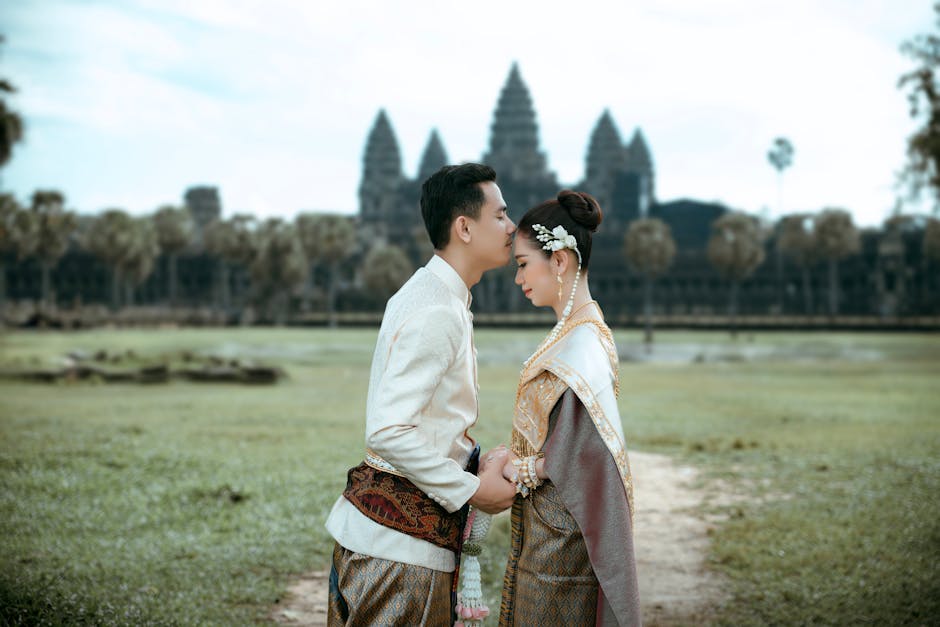
Planning your Vietnam adventure is exciting, but remember that things don't always go according to plan. Embrace the unexpected, be open to new experiences, and don't be afraid to get lost in the moment. Vietnam has a way of surprising and delighting you in ways you never imagined. So pack your bags, book your flights, and get ready for an unforgettable journey! Chúc mừng! (Happy travels!)

Post a Comment for "Vietnam Adventure: Your Step-by-Step Guide to an Unforgettable Journey"
Post a Comment