Train Street Hanoi: Where Thrill Meets Tranquility (Is it Still Worth It?)

Train Street Hanoi: Where Thrill Meets Tranquility (Is it Still Worth It?)
Hey there, fellow traveler! Let's talk about a place that's etched in my memory – and probably a million Instagram feeds –: Train Street in Hanoi, Vietnam. For years, it was the iconic photo op: a narrow alleyway, barely wide enough to stretch your arms out, with a train thundering through just inches away. It was heart-pounding, exhilarating, and undeniably unique. But things have changed, and the story of Train Street is more nuanced now than just a simple tourist attraction. Let's dive into my experience, the history, the current situation, and whether it's still worth adding to your Hanoi itinerary.
My Brush with Train Street: A Mix of Excitement and Unease

My first visit to Train Street was back in 2017. Like many others, I was drawn in by the allure of the viral photos. The idea of sipping an egg coffee while a train roared past, close enough to touch (though of course, I wouldn't!), was incredibly appealing. I remember the anticipation building as I walked through the labyrinthine streets of the Old Quarter, finally emerging onto the tracks. The air buzzed with nervous energy. Tourists clustered outside the small cafes, cameras at the ready, while locals went about their daily lives, seemingly unfazed by the imminent arrival of the iron beast.
When the train finally came, it was an absolute rush. The ground vibrated, the noise was deafening, and the wind whipped through the narrow passage. For a few intense seconds, everything else faded away. Afterward, there was a collective sigh of relief and exhilaration. We'd all survived! We'd all captured the shot! Looking back, however, I also remember a sense of unease. Was this responsible tourism? Were we respecting the lives of the people who actually lived there, or were we simply treating their homes as a backdrop for our Instagram feeds?
A Brief History: Train Street and Hanoi's Railway Heritage

To understand Train Street, it's helpful to know a little about Hanoi's railway history. The railway tracks running through the city were built during the French colonial era. This section of track was constructed for the North–South Railway (Đường sắt Bắc-Nam), which is a single-track railway connecting Hanoi and Ho Chi Minh City (Saigon). It's a vital transportation artery for the country.
Over the years, as Hanoi's population grew, people began building homes and businesses along the railway tracks. This resulted in the unique, and somewhat precarious, living situation we know as Train Street. For decades, life continued alongside the trains, with residents adapting to the schedule and knowing exactly when to move their belongings and themselves out of the way. It was a symbiotic, albeit risky, relationship.
The Cafes of Train Street: A Double-Edged Sword
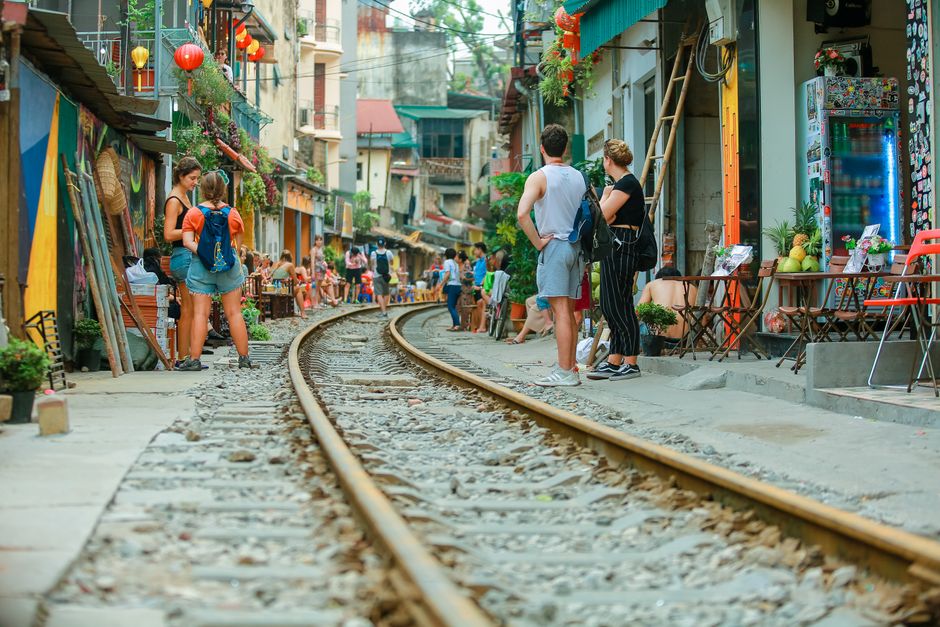
In recent years, Train Street became increasingly popular with tourists. This led to a proliferation of cafes along the tracks, catering specifically to the Instagram-hungry crowds. These cafes offered a unique experience, a front-row seat to the train as it passed, and a chance to capture that perfect photo. They also provided income for the local residents, who owned and operated many of these establishments.
However, the increased tourism also brought its challenges. The narrow space became incredibly crowded, making it difficult for both residents and visitors to navigate. Concerns about safety grew, as people often stood too close to the tracks, risking serious injury or even death. The noise and disruption also impacted the quality of life for those living in the area.
The Crackdown: Train Street's Closure and Reopening (Sort Of)
In 2019, after a few close calls and increasing safety concerns, the Vietnamese government decided to close Train Street to tourists. The cafes were shut down, and barriers were erected to prevent people from accessing the tracks. This was a controversial decision, as it impacted the livelihoods of many local residents who relied on tourism income. However, the government argued that safety was paramount.
Interestingly, the closure was not entirely successful. Word spread that certain cafes had "backdoor" entrances, allowing tourists to sneak onto the tracks. Other cafes simply operated from the rooftops of buildings overlooking the railway. The desire for that iconic photo proved too strong for many visitors.
More recently, there have been reports of a partial reopening. Some cafes have been allowed to reopen, albeit with stricter regulations and increased supervision. There's a greater emphasis on safety, and officials are working to ensure that tourists respect the residents and the railway environment. However, the situation is constantly evolving, so it's important to stay updated on the latest regulations before you visit.
Is Train Street Still Worth Visiting? My Honest Opinion

So, is Train Street still worth visiting? The answer, like many things in travel, is "it depends." Here's my take, weighing the pros and cons:
Pros:
- Unique Experience: Even with the restrictions, the experience of seeing a train rumble through such a narrow residential area is truly unique. It's a glimpse into a different way of life and a fascinating example of urban planning (or lack thereof!).
- Photo Opportunity (If Done Respectfully): Let's be honest, many people still visit for the photo. And while I urge you to be mindful and respectful, there's no denying that it's a pretty incredible shot. If you do get a photo, make sure you're not putting yourself or others in danger, and that you're not disrupting the lives of the residents.
- Support Local Businesses: If you choose to visit a cafe that is operating legally, you'll be supporting the local economy. Just be sure to do your research and choose establishments that prioritize safety and respect for the community.
Cons:
- Safety Concerns: Even with increased supervision, the area can still be dangerous if people aren't careful. It's crucial to stay aware of your surroundings, listen to the instructions of the cafe owners and railway staff, and never stand too close to the tracks.
- Ethical Considerations: Is it ethical to treat someone's home as a tourist attraction? This is a question you need to ask yourself before you visit. If you do go, make sure you're doing so in a way that is respectful and minimizes the disruption to the residents' lives.
- Potential Disappointment: If you're expecting the wild, unregulated experience that you see in older photos, you might be disappointed. The atmosphere is more controlled now, and access may be limited.
Tips for Visiting Train Street Responsibly

If you decide to visit Train Street, here are some tips to ensure a responsible and enjoyable experience:
- Do Your Research: Before you go, research the current regulations and which cafes are operating legally. Check online forums and travel blogs for the latest information.
- Go with a Reputable Tour Guide: Consider joining a guided tour led by a local who understands the area and respects the residents. They can provide valuable insights and ensure you're acting responsibly.
- Be Respectful: Remember that you're in a residential area. Keep your voice down, don't litter, and don't take photos of people without their permission.
- Prioritize Safety: Stay well back from the tracks when the train is approaching. Listen to the instructions of the cafe owners and railway staff. Don't take unnecessary risks for a photo.
- Support Local Businesses (Responsibly): Choose cafes that prioritize safety and respect for the community. Ask if the owners are local residents and if they support local initiatives.
- Consider Alternative Viewpoints: Instead of focusing solely on the train, take time to observe the everyday life of the residents. Notice the architecture, the street food, and the interactions between neighbors.
Beyond the Train: Exploring the Real Hanoi

While Train Street can be a unique experience, it's important to remember that it's just one small part of Hanoi's rich and diverse culture. Don't let it be the only thing you see! Make sure you also explore the other wonders of the city:
- The Old Quarter: Get lost in the maze of narrow streets, sample the delicious street food, and soak up the vibrant atmosphere.
- Hoan Kiem Lake: Take a stroll around the lake, visit Ngoc Son Temple, and watch the locals practicing Tai Chi.
- The Temple of Literature: Explore Vietnam's first university and learn about the country's rich academic history.
- The Ho Chi Minh Mausoleum: Pay your respects to the former president of Vietnam (dress respectfully and be prepared for security checks).
- The Water Puppet Theatre: Enjoy a traditional Vietnamese art form that dates back centuries.
Final Thoughts: Train Street and the Future of Tourism
Train Street is a fascinating example of the complex relationship between tourism and local life. It highlights the challenges of balancing economic benefits with the need to protect safety, preserve culture, and respect the residents of a community.
Ultimately, the future of Train Street depends on responsible tourism. By visiting in a thoughtful and respectful way, we can help ensure that it remains a unique and safe experience for both visitors and residents alike. We must remember that it's more than just a photo op; it's a living, breathing community with a rich history and a vibrant culture. Let's appreciate it for what it is and strive to be responsible and respectful travelers.
So, if you decide to go, go with an open mind, a respectful heart, and a healthy dose of caution. And most importantly, remember to look beyond the train and see the real Hanoi that lies beyond.
)
Post a Comment for "Train Street Hanoi: Where Thrill Meets Tranquility (Is it Still Worth It?)"
Post a Comment