Temple of Literature: Exploring Vietnam's First University & Its Enduring Legacy

Temple of Literature: Exploring Vietnam's First University & Its Enduring Legacy
Hey there, fellow history buffs and travel enthusiasts! Let me tell you about a place that completely captivated me during my trip to Hanoi: the Temple of Literature. More than just a beautiful temple, it's Vietnam's first university, a place steeped in history, Confucian values, and the echoes of brilliant minds. I'm excited to share my experience and insights into this incredible site.
A Journey Back in Time: The Origins of Van Mieu

Imagine stepping back to the year 1070. Emperor Ly Thanh Tong, a visionary leader of the Ly Dynasty, established the Van Mieu – Temple of Literature – dedicated to Confucius. It wasn't just a place of worship; it was a center for learning and the cultivation of Confucian ideals, which heavily influenced Vietnamese society at the time.
Then, in 1076, just six years later, the Quoc Tu Giam – the Imperial Academy – was founded within the Temple's grounds. This marked the official birth of Vietnam's first university, a place where the brightest scholars from across the kingdom could gather, study, and prepare for the rigorous imperial examinations that would determine their future careers as mandarins (government officials).
Over the centuries, the Temple of Literature witnessed dynastic changes, wars, and periods of prosperity. Each dynasty left its mark on the site, adding structures, modifying the layout, and shaping the educational system. Even though the Quoc Tu Giam moved to a new location in the late 18th century, the Temple of Literature remains a powerful symbol of Vietnam's long-standing commitment to education and scholarship.
Walking Through History: Exploring the Complex
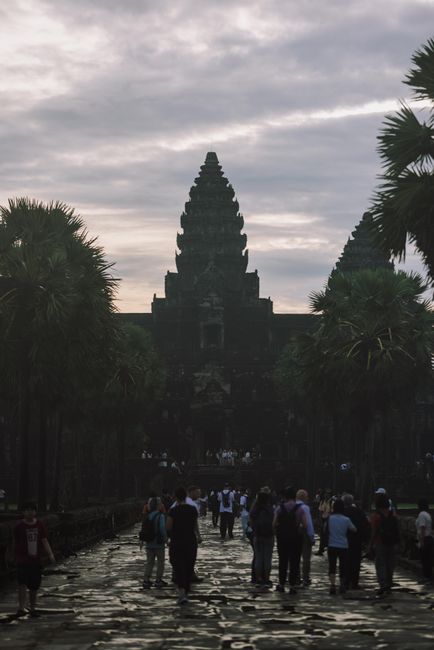
The Temple of Literature is a stunning example of traditional Vietnamese architecture, adhering to the principles of feng shui and creating a harmonious blend of nature and structure. It's divided into five courtyards, each with its own unique purpose and atmosphere.
Let's take a virtual stroll together:
1. The Great Portico (Van Mieu Mon): This impressive gate, with its three entrances (the central one reserved for the emperor), marks the beginning of your journey. Stepping through it is like entering a different world, leaving behind the hustle and bustle of Hanoi and immersing yourself in a tranquil sanctuary.
2. The Great Middle Gate (Dai Trung Mon): Passing through the first courtyard, you'll reach the Dai Trung Mon, another impressive gate leading to the second courtyard. This area is characterized by its lush gardens, meticulously manicured lawns, and ancient trees, providing a serene space for contemplation.
3. The Well of Heavenly Clarity (Thien Quang Tinh): This square-shaped pond acts as a reflecting pool, mirroring the surrounding structures and creating a sense of peace and balance. But the real highlight of this courtyard is the:
4. Stelae of Doctors (Bia Tien Si): These are undoubtedly one of the most iconic features of the Temple of Literature. Rows upon rows of stone turtles (symbols of longevity and wisdom) carry stone stelae inscribed with the names, birthplaces, and achievements of the doctors (those who passed the highest-level imperial examinations) from different dynasties. Imagine the countless hours of study and dedication represented by each name etched in stone! These stelae are considered national treasures and are a UNESCO World Heritage Site.
5. The House of Ceremonies (Dai Bai Duong) and the Sanctuary (Thuong Dien): This is the heart of the Temple, dedicated to Confucius and his four closest disciples. Here, you can find altars, statues, and ceremonial objects used in religious rituals. It's a place of deep reverence and a powerful reminder of the enduring influence of Confucianism on Vietnamese culture.
6. The Thai Hoc (National University): Although rebuilt in recent years, this section offers a glimpse into the university's past. It houses exhibits showcasing the history of the Quoc Tu Giam, the imperial examination system, and the lives of prominent scholars. You can even see recreations of classrooms and study rooms, giving you a sense of what it was like to be a student at Vietnam's first university.
The Imperial Examinations: A Crucible of Talent

The imperial examinations were the gateway to success in imperial Vietnam. They were notoriously difficult, testing candidates on their knowledge of Confucian classics, history, literature, and philosophy. These examinations weren't just about rote memorization; they demanded critical thinking, analytical skills, and the ability to apply Confucian principles to real-world problems.
The examination system was structured in stages, with each level becoming progressively more challenging. Only a select few made it to the final stage, the "dinh" examination, held in the presence of the emperor himself. Those who passed with distinction were awarded the title of "doctor" and appointed to prestigious positions in the government.
Here's a simplified breakdown of the stages:
- The Regional Examination (Thi Huong): Held at the provincial level.
- The Metropolitan Examination (Thi Hoi): Held in the capital city.
- The Palace Examination (Thi Dinh): The final examination, held in the presence of the emperor.
The examination system played a crucial role in shaping Vietnamese society. It provided a meritocratic path to advancement, allowing talented individuals from all social backgrounds to rise to positions of power. It also instilled a strong emphasis on education and intellectual achievement, values that continue to resonate in Vietnam today.
The Enduring Legacy of the Temple of Literature
The Temple of Literature is more than just a historical site; it's a living testament to Vietnam's rich cultural heritage. It represents the country's long-standing commitment to education, scholarship, and Confucian values.
Even today, the Temple of Literature holds a special place in the hearts of Vietnamese people. It's a popular destination for students seeking good luck before exams, a place where families come to pay respects to their ancestors, and a cherished landmark that embodies the spirit of Vietnamese intellect and perseverance.
Beyond its historical and cultural significance, the Temple of Literature serves as a powerful reminder of the importance of education in shaping individuals and societies. It reminds us that knowledge is power, and that the pursuit of learning can lead to personal growth, social progress, and national prosperity.
Tips for Visiting the Temple of Literature

Planning a visit to the Temple of Literature? Here are some tips to make the most of your experience:
- Go Early: The Temple can get crowded, especially on weekends and holidays. Arriving early in the morning will allow you to explore the site in relative peace and quiet.
- Dress Respectfully: As a religious site, it's important to dress respectfully. Avoid wearing revealing clothing or anything that might be considered offensive.
- Hire a Guide: Consider hiring a local guide to learn more about the history and significance of the Temple. They can provide valuable insights that you might otherwise miss.
- Take Your Time: Don't rush through the Temple. Take your time to explore each courtyard, admire the architecture, and soak in the atmosphere.
- Respect the Traditions: Be mindful of the traditions and customs of the site. Avoid making loud noises, touching the artifacts, or disrupting the peaceful atmosphere.
- Bring Water: Hanoi can be hot and humid, so remember to bring plenty of water to stay hydrated.
- Check for Festivals: Throughout the year, the Temple hosts various festivals and events. Check the schedule in advance to see if there's anything special happening during your visit.
Beyond the Temple: Exploring Hanoi's Cultural Gems
While the Temple of Literature is a must-see attraction, Hanoi has so much more to offer. Make sure to explore some of the city's other cultural gems, such as:
- The Old Quarter: A maze of narrow streets filled with shops, restaurants, and street vendors. It's a great place to experience the vibrant energy of Hanoi.
- Hoan Kiem Lake: A serene lake in the heart of the city, surrounded by parks, temples, and colonial-era buildings.
- The Ho Chi Minh Mausoleum: The final resting place of Ho Chi Minh, the founder of modern Vietnam.
- The One Pillar Pagoda: A unique pagoda built on a single pillar, resembling a lotus flower.
- The Vietnamese Women's Museum: A fascinating museum that celebrates the contributions of Vietnamese women to society.
Food for Thought: Reflecting on the Temple's Significance

My visit to the Temple of Literature was a truly enriching experience. It wasn't just about seeing beautiful architecture and learning about history; it was about connecting with the spirit of Vietnam and understanding its values.
As I walked through the courtyards, I couldn't help but reflect on the importance of education in my own life. The Temple of Literature reminded me that learning is a lifelong journey, and that the pursuit of knowledge can lead to personal growth, social progress, and a deeper understanding of the world around us.
The enduring legacy of the Temple of Literature is a testament to the power of education to shape individuals, societies, and nations. It's a reminder that the pursuit of knowledge is a noble endeavor, and that the values of scholarship, critical thinking, and intellectual curiosity are essential for building a better future.
So, if you ever find yourself in Hanoi, make sure to visit the Temple of Literature. It's an experience you won't soon forget. You'll not only see a beautiful historical site, but you'll also gain a deeper appreciation for the history, culture, and values of Vietnam.
I hope this little journey through the Temple of Literature has inspired you to explore this amazing site. Happy travels!

Post a Comment for "Temple of Literature: Exploring Vietnam's First University & Its Enduring Legacy"
Post a Comment