Staying Safe in Vietnam: Your Guide to a Worry-Free & Wonderful Adventure

Staying Safe in Vietnam: Your Guide to a Worry-Free & Wonderful Adventure
Hey there, fellow traveler! Vietnam, the land of breathtaking landscapes, vibrant culture, and mouthwatering pho, is calling your name, isn't it? I completely understand! I remember my first trip; I was so excited but also a little nervous about safety. That's why I've put together this guide – packed with practical tips gleaned from my own experiences – to help you stay safe and have an absolutely unforgettable, worry-free trip. Let's dive in!
Understanding the Landscape: Is Vietnam Safe?

First things first: let's address the big question. Overall, Vietnam is a very safe country for tourists. Violent crime is rare, and the Vietnamese people are generally warm, welcoming, and eager to help. However, like any popular travel destination, there are certain things you need to be aware of to minimize risks. Petty theft, scams targeting tourists, and traffic accidents are the most common concerns. But don't let that scare you! With a little common sense and these tips, you'll be well-prepared.
Protecting Your Valuables: Thwarting Petty Theft

Petty theft is probably the biggest safety concern in Vietnam, especially in crowded tourist areas like Ho Chi Minh City (Saigon) and Hanoi. Pickpocketing, bag snatching, and scams can happen, but being aware and proactive can significantly reduce your chances of becoming a victim.
Here's what I've learned to do:
- Be aware of your surroundings: This is rule number one! Pay attention to who's around you, especially in crowded markets, train stations, and popular tourist spots. Don't be engrossed in your phone; look around!
- Secure your belongings: Use a cross-body bag that's difficult to snatch. Keep your wallet and phone in a front pocket or a zipped internal pocket. I even wear a money belt sometimes – better safe than sorry!
- Avoid flashing expensive items: Leave your fancy jewelry and expensive watches at home. There's no need to attract unnecessary attention.
- Be wary of distractions: Scammers often work in teams, using distractions to their advantage. If someone tries to distract you – like asking for directions or dropping something – be extra vigilant about your belongings.
- Don't leave valuables unattended: This seems obvious, but it's worth repeating. Never leave your bag or phone on a table while you're eating or chatting. Even for a second, it's an opportunity for a thief.
- Beware of motorbike snatching: This is a common tactic in larger cities. When walking near the road, walk facing traffic and keep your bag on the side away from the road.
Navigating the Roads: Staying Safe on Two Wheels (or Four)

Traffic in Vietnam can be… chaotic! It's unlike anything you've probably experienced before. Motorbikes rule the roads, and traffic rules are often more like suggestions than strict regulations. However, with caution and awareness, you can navigate it safely.
Here's my advice:
- Crossing the road: This is an art form! The key is to walk slowly and steadily, making eye contact with drivers. Don't stop suddenly or try to dodge traffic. The drivers will maneuver around you. It sounds scary, but it works! Seriously!
- Renting a motorbike: If you're an experienced motorbike rider, renting a motorbike can be a fantastic way to explore Vietnam. However, if you're not comfortable riding in heavy traffic, it's best to avoid it. If you do rent a motorbike:
- Wear a helmet: This is non-negotiable. Make sure the helmet fits properly and is in good condition.
- Check the motorbike thoroughly: Inspect the brakes, tires, and lights before renting.
- Get insurance: Make sure you have adequate travel insurance that covers motorbike accidents.
- Drive defensively: Expect the unexpected! Be prepared for drivers to cut you off, run red lights, and do other unpredictable things.
- Avoid driving at night: Nighttime driving in Vietnam can be particularly dangerous due to poor lighting and drunk drivers.
- Using taxis and ride-hailing services: Taxis are generally safe, but it's best to use reputable companies like Vinasun or Mai Linh. Ride-hailing apps like Grab are also a convenient and safe option. Always ensure the driver starts the meter or agrees on a fare before you begin your journey.
- Buses: Overnight sleeper buses are a popular and affordable way to travel long distances in Vietnam. However, be aware that accidents can happen. Choose reputable companies and buckle your seatbelt if possible. Secure your belongings on the bus; theft can occur.
Avoiding Scams: Spotting and Preventing Them
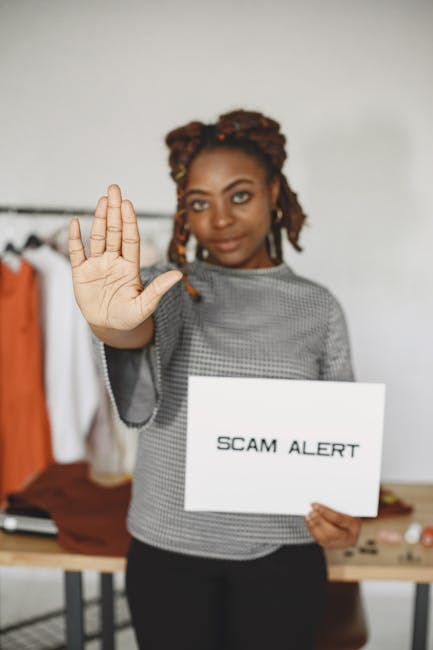
Unfortunately, scams targeting tourists are common in Vietnam. Being aware of these scams and knowing how to avoid them can save you a lot of money and frustration.
Here are some of the most common scams and how to avoid them:
- The "friendly" local: Someone approaches you on the street, strikes up a conversation, and offers to take you to a "local" restaurant or shop. These places often overcharge tourists or are involved in scams. Politely decline and stick to places recommended by reputable sources.
- The shoe-shine scam: Someone offers to clean your shoes, even if they don't look dirty. They may insist on cleaning them even if you decline, and then demand an exorbitant price. Firmly decline and walk away.
- The cyclo scam: Agree on a price with the cyclo driver before you start your ride. Some drivers will try to overcharge you at the end of the ride.
- The "broken" meter: Ensure the taxi driver starts the meter when you get in. If the meter is "broken," negotiate a fare beforehand or find another taxi.
- The counterfeit money: Be careful when receiving change, especially from street vendors. Counterfeit money is common. Check the bills carefully and familiarize yourself with the security features of Vietnamese currency.
- The "closed" attraction: Someone tells you that the attraction you're trying to visit is closed and offers to take you to another (usually overpriced) alternative. Check the official website or ask at your hotel for confirmation before believing them.
- The motorbike repair scam: If you're renting a motorbike, be wary of roadside mechanics who offer to "fix" a minor problem and then charge you a fortune. Get a second opinion from a reputable mechanic before agreeing to any repairs.
My tip: If something feels off, trust your gut! If someone is being too friendly or the deal seems too good to be true, it probably is. Don't be afraid to say no and walk away.
Food and Drink Safety: Avoiding Tummy Troubles
Vietnamese cuisine is incredible, but it's also important to be mindful of food and drink safety to avoid getting sick. Here are some tips:
- Drink bottled water: Avoid drinking tap water, even in hotels. Bottled water is readily available and inexpensive.
- Be careful with ice: Ice made from tap water can be contaminated. Stick to drinks without ice or ask if the ice is made from filtered water.
- Eat at reputable restaurants: Choose restaurants that are clean and busy. Look for places where locals are eating.
- Be cautious with street food: Street food is a must-try in Vietnam, but be selective. Choose vendors that are popular and have a high turnover of food. Make sure the food is cooked thoroughly and served hot.
- Wash your hands: Wash your hands frequently with soap and water, especially before eating.
- Consider travel vaccinations and malaria medication: Talk to your doctor about recommended vaccinations and malaria medication before your trip.
Staying Healthy: Protecting Yourself from the Elements

Vietnam has a tropical climate, which can be challenging for some travelers. Here's how to stay healthy:
- Stay hydrated: Drink plenty of water throughout the day, especially if you're active.
- Protect yourself from the sun: Wear sunscreen, a hat, and sunglasses, even on cloudy days. The sun can be very strong.
- Be aware of mosquito-borne diseases: Mosquitoes can transmit diseases like dengue fever and Zika virus. Use mosquito repellent, wear long sleeves and pants, and sleep under a mosquito net if necessary.
- Take precautions against heatstroke: Avoid strenuous activity during the hottest part of the day. Seek shade and drink plenty of fluids.
Emergency Situations: Knowing What to Do

Hopefully, you won't encounter any emergencies, but it's always good to be prepared. Here's what you should know:
- Emergency numbers:
- Police: 113
- Fire: 114
- Ambulance: 115
- Contact your embassy or consulate: In case of a serious emergency, contact your embassy or consulate for assistance.
- Have travel insurance: Make sure you have comprehensive travel insurance that covers medical expenses, repatriation, and other emergencies. Keep a copy of your insurance policy with you.
- Know your blood type: This can be crucial information in a medical emergency.
- Learn some basic Vietnamese phrases: Knowing a few basic phrases can be helpful in communicating with locals in an emergency.
Respecting Local Customs: Being a Responsible Traveler
Vietnam has a rich and unique culture, and it's important to be respectful of local customs and traditions. Here are some tips:
- Dress modestly: When visiting temples and pagodas, dress modestly. Avoid wearing revealing clothing.
- Remove your shoes: When entering someone's home or a temple, remove your shoes.
- Be mindful of public displays of affection: Public displays of affection are generally frowned upon in Vietnam.
- Don't point your feet at anyone: Pointing your feet at someone is considered rude.
- Ask before taking photos: Always ask permission before taking photos of people, especially in rural areas.
- Bargain respectfully: Bargaining is common in markets, but do it respectfully and with a smile.
- Learn a few basic Vietnamese phrases: Even knowing a few basic phrases like "hello" (xin chào) and "thank you" (cảm ơn) will be appreciated by locals.
Final Thoughts: Embrace the Adventure!

Vietnam is an incredible country with so much to offer. By being aware of potential risks and taking the necessary precautions, you can have a safe and unforgettable adventure. Don't let fear hold you back from exploring this amazing destination. Embrace the culture, try the delicious food, and enjoy the stunning scenery. With a little common sense and these tips, you'll be well on your way to a worry-free trip of a lifetime! Happy travels!

Post a Comment for "Staying Safe in Vietnam: Your Guide to a Worry-Free & Wonderful Adventure"
Post a Comment