Saigon Opera House: A Jewel of Architecture and Art in Ho Chi Minh City
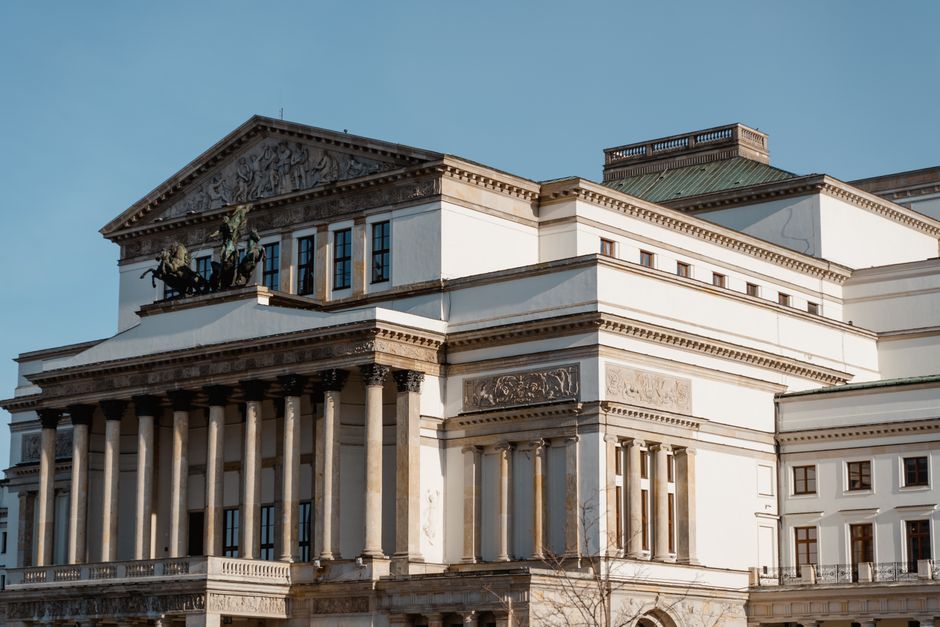
Saigon Opera House: A Jewel of Architecture and Art in Ho Chi Minh City
Have you ever stumbled upon a place that instantly transports you to another era, a realm of elegance and artistic brilliance? For me, the Saigon Opera House, also known as the Ho Chi Minh City Municipal Theatre, is just such a place. It's not just a building; it's a living, breathing testament to history, architecture, and the enduring power of performance. I still remember the first time I saw it – the grandeur of its façade, the intricate details, the way it seemed to whisper stories of a bygone age. It's an experience I'll never forget, and I'm thrilled to share my insights and experiences with you in this article.
A Glimpse into History: Birth of a Parisian Beauty in Vietnam

To truly appreciate the Saigon Opera House, you need to understand its historical context. Imagine yourself back in the late 19th century, during French colonial rule in Vietnam. The French wanted to create a cultural center that would showcase their influence and offer a taste of European sophistication to the burgeoning city of Saigon (now Ho Chi Minh City). Hence, the idea for a grand theatre was born.
Construction began in 1897, and just three years later, in 1900, the Saigon Opera House officially opened its doors. It was designed by three French architects – Eugène Ferret, Félix Olivier, and Ernest Guichard – who drew inspiration from the Petit Palais in Paris. The result was a stunning example of French Colonial architecture, a harmonious blend of European elegance and subtle Vietnamese influences.
Initially, the Opera House primarily hosted performances by French troupes, showcasing operas, operettas, and other theatrical productions. It served as a hub for the city's elite and a symbol of French power. However, after 1954, following the end of French rule and the division of Vietnam, the Opera House's role evolved. It became a venue for a wider range of performances, including Vietnamese plays, cải lương (a form of Vietnamese folk opera), and classical music concerts. Today, it stands as a vibrant cultural center, a symbol of both the city's rich history and its thriving contemporary arts scene.
Architectural Marvel: Unveiling the Opera House's Secrets
The Saigon Opera House is more than just a theatre; it's a visual feast. The architecture is simply breathtaking, a meticulously crafted blend of styles that speaks volumes about the era in which it was built. Let's delve into some of the key architectural features that make it so captivating:
1. The Façade: The exterior of the Opera House is undeniably its most striking feature. The neo-Baroque design is characterized by its elaborate ornamentation, intricate carvings, and symmetrical layout. Take your time to admire the details – the Corinthian columns, the sculpted figures, and the ornate balustrades. It's like stepping back in time to a Parisian boulevard.
2. The Interior: Stepping inside is like entering another world. The opulent interior is equally impressive, with its plush velvet seating, glittering chandeliers, and soaring ceilings. The acoustics are superb, ensuring that every performance is a sonic delight. The main auditorium can accommodate around 500 spectators, creating an intimate atmosphere for experiencing the arts.
3. The Materials: The Opera House was constructed using high-quality materials, many of which were imported from France. This contributes to its enduring beauty and structural integrity. From the marble floors to the wrought-iron details, every element reflects a commitment to craftsmanship and artistic excellence.
4. The Restoration: Over the years, the Saigon Opera House has undergone several renovations to preserve its original splendor. The most significant restoration project took place in the 1990s, carefully restoring the building to its former glory. These efforts have ensured that this architectural gem will continue to inspire and delight audiences for generations to come.
Experiencing the Magic: Performances at the Saigon Opera House
While the architecture is undoubtedly impressive, the true magic of the Saigon Opera House lies in the performances it hosts. From traditional Vietnamese art forms to international collaborations, the Opera House offers a diverse and captivating program of events. Here's a taste of what you can expect:
1. A Variety of Performances: You'll find everything from classical ballet and opera to contemporary dance and Vietnamese folk music. The Opera House is committed to showcasing both local and international talent, providing a platform for artists from around the world. I've seen everything from Swan Lake to a captivating performance of traditional Vietnamese water puppetry projected onto a screen behind a live orchestra. The diversity is truly amazing!
2. Classical Ballet and Opera: For lovers of classical arts, the Saigon Opera House regularly hosts performances of renowned ballets and operas. Productions are often performed by international touring companies, offering a world-class cultural experience.
3. Contemporary Dance: The Opera House also embraces contemporary dance, showcasing innovative and thought-provoking performances by both Vietnamese and international choreographers. These performances often explore contemporary themes and challenge traditional notions of dance.
4. Vietnamese Traditional Arts: One of the most rewarding experiences is attending a performance of Vietnamese traditional arts. Cải lương (renovated theatre, a form of Vietnamese folk opera), water puppetry, and traditional music concerts offer a glimpse into the country's rich cultural heritage. These performances are often deeply moving and provide a unique perspective on Vietnamese history and society.
5. The AO Show: The AO Show is a particularly popular choice for tourists. This visually stunning performance blends acrobatics, dance, and traditional music to create a mesmerizing spectacle that celebrates Vietnamese culture and daily life. It's definitely a great way to start your cultural immersion!
Planning Your Visit: Tips and Practical Information

Planning a visit to the Saigon Opera House is relatively straightforward. Here are some tips and practical information to help you make the most of your experience:
1. Booking Tickets: The best way to ensure you get tickets to a performance is to book in advance, especially during peak season. You can purchase tickets online through the Opera House's official website or through authorized ticket vendors. Many hotels and tour operators also offer ticket booking services.
2. Dress Code: While there isn't a strict dress code, it's generally recommended to dress smartly. Avoid wearing overly casual attire like shorts and flip-flops. Smart casual or business casual attire is always a safe bet.
3. Getting There: The Saigon Opera House is centrally located in District 1, making it easily accessible by taxi, bus, or even on foot if you're staying nearby. Be aware of traffic congestion, especially during rush hour.
4. Arriving Early: Arrive at least 30 minutes before the performance begins to allow ample time for finding your seat and settling in. This will also give you a chance to admire the interior of the Opera House and soak up the atmosphere.
5. Photography: Photography is generally not allowed during performances, but you may be able to take photos in the lobby and other public areas before and after the show.
6. Consider a Guided Tour: If you're interested in learning more about the history and architecture of the Opera House, consider taking a guided tour. These tours are often available during the day and offer fascinating insights into the building's past and present.
Beyond the Stage: Exploring the Surroundings
The Saigon Opera House is located in the heart of Ho Chi Minh City's vibrant District 1, surrounded by a wealth of attractions and activities. Make the most of your visit by exploring the area:
1. Dong Khoi Street: This elegant street, known as Rue Catinat during the French colonial era, is home to numerous upscale boutiques, art galleries, and cafes. It's a great place to stroll, shop, and soak up the city's atmosphere.
2. Notre-Dame Cathedral: Located just a short walk from the Opera House, the Notre-Dame Cathedral is another stunning example of French colonial architecture. Its impressive red-brick façade and twin bell towers make it a popular landmark.
3. Central Post Office: Situated next to the Notre-Dame Cathedral, the Central Post Office is a beautifully preserved building designed by Gustave Eiffel (yes, the same Eiffel who designed the Eiffel Tower!). It's still a functioning post office and a popular spot for taking photos.
4. Reunification Palace: A short taxi ride away, the Reunification Palace (formerly the Presidential Palace) is a significant historical site. It was here that the Vietnam War officially ended in 1975, and it offers a fascinating glimpse into the country's past.
5. Ben Thanh Market: If you're looking for a taste of local life, head to Ben Thanh Market. This bustling market is a great place to shop for souvenirs, sample street food, and experience the energy of Ho Chi Minh City.
You could organize your day this way:
a. Morning: Explore Dong Khoi Street and visit the Notre-Dame Cathedral and Central Post Office.
b. Afternoon: Take a tour of the Reunification Palace and immerse yourself in Vietnamese history.
c. Evening: Enjoy a performance at the Saigon Opera House followed by dinner at a nearby restaurant.
A Lasting Impression: Why the Saigon Opera House Matters
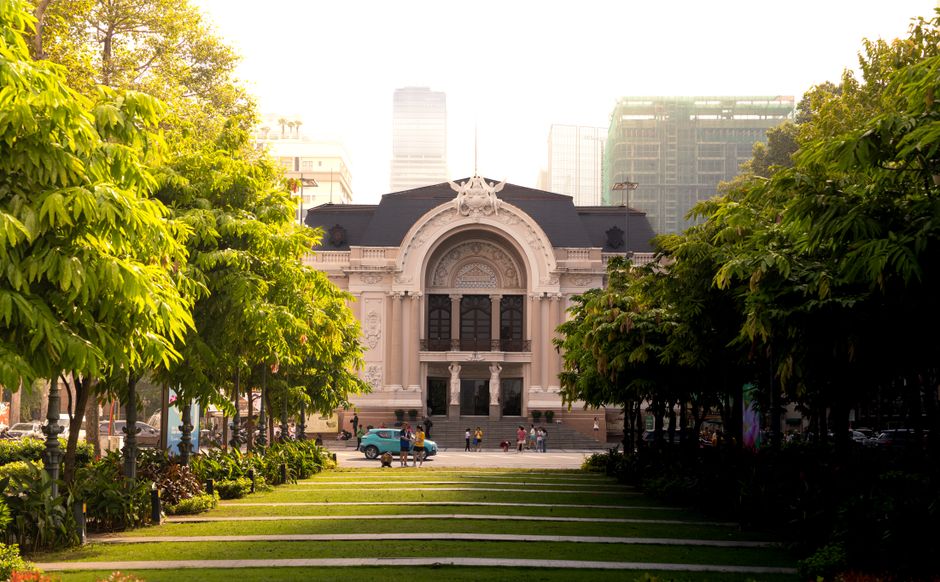
The Saigon Opera House is more than just a beautiful building or a venue for entertainment. It's a symbol of cultural exchange, artistic expression, and the enduring power of the arts. It's a place where history, architecture, and performance converge to create a truly unforgettable experience.
For me, the Opera House represents the magic of travel – the opportunity to discover new cultures, appreciate different perspectives, and connect with people from all walks of life. It's a reminder that art has the power to transcend borders and unite us through shared emotions and experiences.
So, if you ever find yourself in Ho Chi Minh City, make sure to visit the Saigon Opera House. Whether you're a seasoned theatre-goer or simply curious about architecture and history, I guarantee you'll be captivated by its beauty and charm. It's an experience you won't soon forget, a journey into the heart of Vietnamese culture and a celebration of the human spirit.
I hope this article has inspired you to visit and experience the Saigon Opera House for yourself. It's a truly special place, and I'm confident that it will leave a lasting impression on you, just as it has on me.

Post a Comment for "Saigon Opera House: A Jewel of Architecture and Art in Ho Chi Minh City"
Post a Comment