Reunification Palace: Stepping Back in Time at Vietnam's Historic Heart
Reunification Palace: Stepping Back in Time at Vietnam's Historic Heart
Have you ever stood in a place that just hums with history? A place where you can almost feel the echoes of decisions that shaped a nation? That's exactly how I felt when I visited the Reunification Palace in Ho Chi Minh City, Vietnam. It's more than just a building; it's a powerful symbol of the end of the Vietnam War and the reunification of the country. I want to share my experience with you, and hopefully inspire you to visit this captivating piece of history yourself.
A Glimpse into the Past: From Norodom Palace to Independence Palace

Before it became the Reunification Palace, this grand structure had quite the storied past. It was originally known as the Norodom Palace, built in 1868 by the French as a residence for the Governor-General of French Indochina. Imagine the elaborate balls, the important meetings, the weight of colonial power held within those walls!
After the French withdrew from Vietnam, the palace was handed over to Ngo Dinh Diem, the President of South Vietnam, in 1955. He renamed it Independence Palace, and it served as his residence and office. However, Diem's rule was far from stable. In 1962, a bombing raid by two dissident pilots severely damaged the palace. While Diem survived, the attack was a clear sign of the growing discontent with his regime.
Instead of repairing the damaged palace, Diem decided to tear it down and build a completely new one. This new Independence Palace, designed by architect Ngo Viet Thu, is the building that stands today. It's a fascinating example of modern Vietnamese architecture, incorporating traditional elements and symbolizing the nation's aspirations for independence and progress.
Inside the Palace: A Journey Through Time

Stepping inside the Reunification Palace is like stepping back in time. The palace has been meticulously preserved, offering a fascinating glimpse into the lives of the South Vietnamese leaders and the political climate of the era. You can wander through the various rooms, each with its own unique function and atmosphere. Let me take you on a virtual tour!
The Presidential Suite: This is where President Thieu lived and worked. It's surprisingly modest, reflecting a sense of practicality rather than lavish luxury. You can see his desk, his meeting room, and even the bedroom. It's a humbling experience to see the personal spaces of someone who held so much power.
The Cabinet Room: Imagine the intense discussions and crucial decisions that took place within these walls. The long table, surrounded by chairs, seems to whisper stories of political debates and strategic planning. It's easy to picture the South Vietnamese government grappling with the challenges of war and political instability.
The Reception Halls: These grand halls were used for official ceremonies, state banquets, and welcoming foreign dignitaries. They're beautifully decorated with intricate details and impressive chandeliers, showcasing the opulence and grandeur of the presidential palace.
The War Room (Basement): This is perhaps the most intriguing part of the palace. Located in the basement, the War Room served as the nerve center for military operations during the Vietnam War. It's filled with maps, communication equipment, and plotting tables, offering a chilling reminder of the conflict's intensity.
The Fall of Saigon: A Moment Etched in History
Of course, the Reunification Palace is most famous for its role in the events of April 30, 1975, the day Saigon fell to the North Vietnamese forces. This is the moment that truly cemented the palace's place in history.
On that fateful day, two tanks from the North Vietnamese Army crashed through the palace gates, effectively ending the Vietnam War. The image of those tanks, bearing the flags of the Viet Cong, is iconic and instantly recognizable. It symbolizes the victory of the North and the reunification of Vietnam.
You can still see the original tanks on display in the palace grounds. Standing there, looking at those tanks, I couldn't help but feel a sense of awe and reflection. It's a powerful reminder of the human cost of war and the resilience of the Vietnamese people.
Why You Should Visit the Reunification Palace

If you're planning a trip to Ho Chi Minh City, I wholeheartedly recommend visiting the Reunification Palace. Here are a few reasons why:
- Historical Significance: As I've mentioned, the palace is a crucial landmark in Vietnamese history. It's a place where you can learn about the Vietnam War, the political divisions of the country, and the ultimate reunification.
- Architectural Beauty: The palace is a stunning example of modern Vietnamese architecture. The design incorporates traditional elements while also reflecting the aspirations of a new nation.
- Well-Preserved Interior: The palace has been meticulously preserved, offering a unique glimpse into the lives of the South Vietnamese leaders and the political climate of the time.
- Emotional Impact: Visiting the palace can be a deeply moving experience. It's a place where you can reflect on the human cost of war and the importance of peace and reconciliation.
Tips for Visiting the Reunification Palace

To make the most of your visit to the Reunification Palace, here are a few tips to keep in mind:
- Plan your visit: The palace is a popular tourist attraction, so it's best to arrive early in the morning to avoid the crowds. It's also a good idea to check the opening hours before you go.
- Hire a guide: While you can explore the palace on your own, hiring a guide can enhance your experience. A guide can provide valuable insights into the history of the palace and the events that took place there.
- Dress respectfully: The Reunification Palace is a historical site, so it's important to dress respectfully. Avoid wearing revealing clothing or overly casual attire.
- Take your time: There's a lot to see at the palace, so don't rush through your visit. Take your time to explore the various rooms, read the information displays, and soak in the atmosphere.
- Be mindful of the rules: There are certain rules and regulations that visitors must follow at the palace. Be sure to pay attention to the signs and instructions provided by the staff.
Beyond the Palace: Exploring Ho Chi Minh City
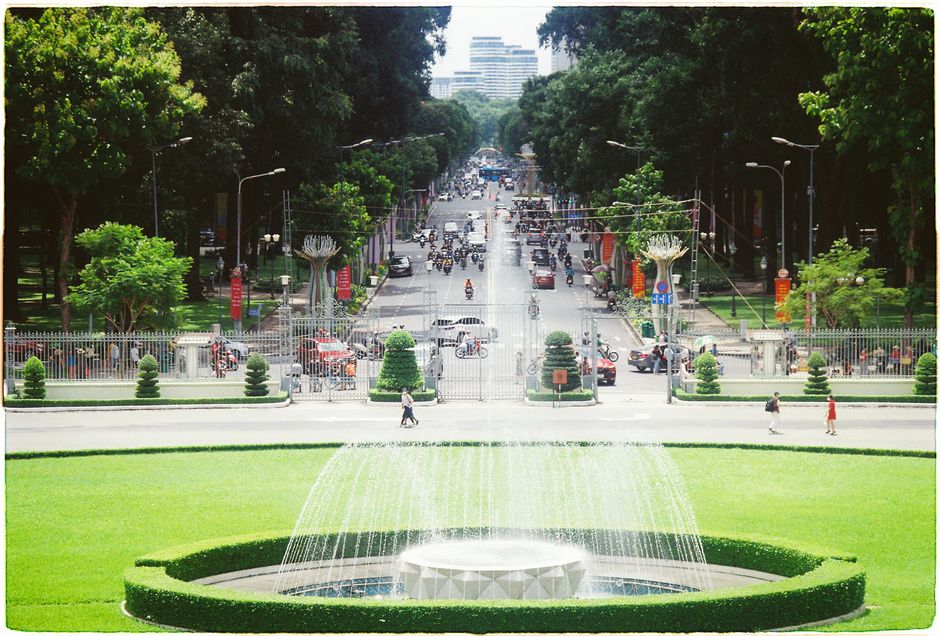
While the Reunification Palace is a must-see attraction, Ho Chi Minh City has so much more to offer. Here are a few other places you might want to explore:
- War Remnants Museum: A sobering but important museum that documents the impact of the Vietnam War.
- Cu Chi Tunnels: An extensive network of underground tunnels used by the Viet Cong during the war.
- Notre-Dame Cathedral Basilica of Saigon: A beautiful example of French colonial architecture.
- Ben Thanh Market: A bustling market where you can find everything from souvenirs to street food.
- Jade Emperor Pagoda: A stunning Taoist temple with intricate carvings and statues.
Reflecting on the Experience

My visit to the Reunification Palace was a truly unforgettable experience. It gave me a deeper understanding of Vietnamese history and a greater appreciation for the resilience of the Vietnamese people. Standing in the palace grounds, I couldn't help but feel a sense of hope for the future. It's a place that reminds us of the importance of peace, reconciliation, and understanding.
I hope my account has inspired you to add the Reunification Palace to your travel itinerary. It's more than just a tourist attraction; it's a place where you can connect with history, reflect on the past, and appreciate the enduring spirit of Vietnam. So, pack your bags, book your flight, and get ready to step back in time at the Reunification Palace. You won't be disappointed!
A Final Thought
Sometimes, the most profound experiences come from visiting places that have witnessed significant historical events. The Reunification Palace is one such place. It's a testament to the power of history and the enduring human spirit. Visiting it is not just about seeing a building; it's about understanding a nation's journey and appreciating the importance of peace. So, go ahead, immerse yourself in the story of the Reunification Palace, and let it leave a lasting impression on your soul.

Post a Comment for "Reunification Palace: Stepping Back in Time at Vietnam's Historic Heart"
Post a Comment