Old Quarter Hanoi: My Adventure Through the Heart of Vietnamese Culture
Old Quarter Hanoi: My Adventure Through the Heart of Vietnamese Culture
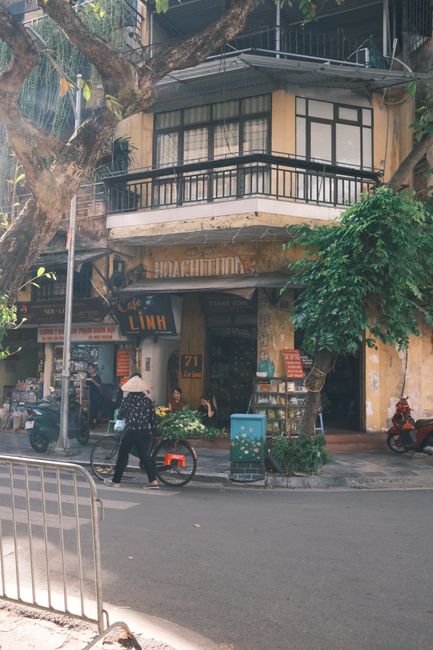
Let me tell you, stepping into Hanoi's Old Quarter is like stepping into a living, breathing history book. It's not just a place; it's an experience. A sensory overload of sights, sounds, smells, and tastes, all swirling together in a chaotic yet captivating dance. I remember the first time I went, I was completely overwhelmed, but in the best possible way. It's a maze, yes, but a maze brimming with charm, hidden gems, and stories etched into every brick.
Getting Lost is Part of the Fun: Embrace the Chaos

The Old Quarter, also known as the "36 Streets," is a compact square kilometer packed with narrow, winding streets, each traditionally specializing in a particular trade. Think "Silk Street," "Tin Street," "Paper Street," and so on. While some of these specializations still exist, many streets have evolved into vibrant commercial hubs selling everything from souvenirs and clothing to street food and handcrafted goods. Honestly, trying to navigate with a map is almost futile. Street names are often difficult to find and can be confusing, and the flow of motorbikes and pedestrians can make it hard to even stop and consult one.
My advice? Ditch the map (at least initially) and just wander. Embrace the chaos. Allow yourself to get lost. You'll discover hidden courtyards, stumble upon charming cafes, and maybe even find the best pho you've ever tasted. That's how I discovered my favorite hidden gem: a tiny, unassuming coffee shop tucked away in a narrow alleyway, serving the most incredible egg coffee I've ever had. You won't find it on any tourist guides!
What to See and Do (Beyond the Guidebooks)

Of course, there are some "must-see" attractions in the Old Quarter that you should definitely check out. But I encourage you to explore beyond the usual tourist trail. Here are a few of my personal favorites:
- Hoan Kiem Lake and Ngoc Son Temple: Start your exploration here. The lake is beautiful, especially in the early morning when locals gather to exercise and practice Tai Chi. The Ngoc Son Temple, located on a small island in the lake, is accessible by a picturesque red bridge. It's a peaceful oasis in the heart of the bustling city.
- Water Puppet Theatre: This is a uniquely Vietnamese art form. The puppets dance and perform on a water stage, accompanied by traditional music. It's a fun and entertaining way to learn about Vietnamese folklore. I found it surprisingly captivating!
- Bach Ma Temple: This is the oldest temple in Hanoi and a significant cultural landmark. It's often overlooked by tourists, making it a peaceful and authentic place to visit. I found the intricate architecture and serene atmosphere incredibly calming.
- Dong Xuan Market: The largest indoor market in Hanoi, this is a sensory explosion. You'll find everything from clothing and textiles to food and electronics. It's a great place to experience the local culture and practice your bargaining skills (be prepared to haggle!).
But beyond these landmarks, here's what I really recommend doing:
- Take a cooking class: Learn to make classic Vietnamese dishes like pho, spring rolls, and banh mi. It's a fun and delicious way to immerse yourself in the local culture. I took one a few years ago and still use the recipes!
- Explore the side streets: Get off the main thoroughfares and wander into the narrow alleyways. You'll discover hidden courtyards, traditional houses, and workshops where artisans are still practicing their craft. This is where you'll find the true heart of the Old Quarter.
- Enjoy a Bia Hoi (Fresh Beer): Bia Hoi is a light, refreshing beer brewed daily and served on tap at street-side stalls. It's incredibly cheap and a great way to relax and people-watch. Sitting on a tiny plastic stool, sipping a Bia Hoi, and watching the world go by is one of my favorite Hanoi experiences.
- Visit a traditional Vietnamese house: Some old houses in the Old Quarter are open to the public, offering a glimpse into the lives of the families who have lived there for generations. It's a fascinating way to learn about Vietnamese history and culture.
- Get a massage: After a long day of exploring, treat yourself to a traditional Vietnamese massage. It's incredibly relaxing and affordable.
Foodie Adventures: A Culinary Journey

The Old Quarter is a food lover's paradise. Every street corner offers a tempting array of street food, from savory snacks to hearty meals. Don't be afraid to try new things! Here are some of my favorite dishes:
- Pho: The quintessential Vietnamese noodle soup. Each vendor has their own unique recipe, so try it from several different places to find your favorite. I personally love a piping hot bowl of Pho Bo (beef pho) on a cool evening.
- Banh Mi: A crispy baguette filled with pate, meat, pickled vegetables, and cilantro. It's a delicious and affordable sandwich. You can find Banh Mi vendors all over the Old Quarter.
- Bun Cha: Grilled pork served with rice noodles, fresh herbs, and a flavorful dipping sauce. It's a Hanoi specialty that you absolutely must try. I remember my first Bun Cha experience vividly – the aroma alone was intoxicating!
- Cha Ca La Vong: Turmeric fish served with rice noodles, dill, peanuts, and shrimp paste. This dish is unique to Hanoi and is a must-try for seafood lovers.
- Egg Coffee (Ca Phe Trung): A rich and creamy coffee made with egg yolks, sugar, and condensed milk. It sounds strange, but it's absolutely delicious. As I mentioned before, finding a good egg coffee is worth the hunt!
- Xoi Xeo: Sticky rice topped with mung bean paste, fried shallots, and chili. It's a savory and satisfying snack that's perfect for breakfast or a quick bite.
Pro Tip: Look for stalls that are popular with locals. That's usually a good sign that the food is fresh and delicious. Don't be afraid to point and smile if you don't know what something is. The vendors are usually happy to explain (or at least try to!).
Navigating the Traffic: A Few Survival Tips

Hanoi's traffic can be intimidating, especially in the Old Quarter. Motorbikes are everywhere, and the rules of the road seem to be more like suggestions than laws. Here are a few tips for navigating the chaos:
- Be patient: Don't expect traffic to stop for you. Be prepared to wait for a break in the flow.
- Make eye contact: Let drivers know that you see them and that you're about to cross.
- Walk slowly and deliberately: Don't run or make sudden movements.
- Look both ways (multiple times): Even when you think it's clear, double-check.
- Consider using a taxi or ride-hailing app: If you're feeling overwhelmed, these are good options for getting around. Just be aware that traffic can still be slow.
Crossing the street in Hanoi is often described as an art form. It's more about asserting your presence and moving steadily than waiting for a gap in traffic. Just breathe, take a deep breath, and go for it! You'll get the hang of it eventually.
Finding Accommodation: From Hostels to Boutique Hotels

The Old Quarter offers a wide range of accommodation options, from budget-friendly hostels to luxurious boutique hotels. Consider what's important to you when choosing a place to stay:
- Budget: Hostels are the cheapest option, while hotels are more expensive.
- Location: Do you want to be in the heart of the action or in a quieter area?
- Amenities: Do you need air conditioning, Wi-Fi, or a swimming pool?
- Atmosphere: Do you want a social hostel where you can meet other travelers, or a more private and relaxing hotel?
I've stayed in both hostels and boutique hotels in the Old Quarter, and each has its own advantages. Hostels are great for meeting people and saving money, while boutique hotels offer more comfort and privacy. Do your research and read reviews to find the perfect place for you.
Respecting the Culture: Etiquette and Customs
Vietnam is a country with a rich culture and history, and it's important to be respectful of local customs. Here are a few things to keep in mind:
- Dress modestly: When visiting temples and pagodas, dress respectfully by covering your shoulders and knees.
- Remove your shoes: When entering someone's home or a temple, remove your shoes.
- Don't point your feet at people: This is considered rude in Vietnamese culture.
- Be mindful of your voice level: Avoid shouting or speaking loudly in public places.
- Bargain respectfully: It's acceptable to bargain when shopping, but do so in a polite and friendly manner.
Learning a few basic Vietnamese phrases, such as "Xin chào" (hello) and "Cảm ơn" (thank you), can also go a long way in showing respect and appreciation for the local culture. The locals really appreciate the effort!
Beyond the Old Quarter: Exploring Hanoi Further
While the Old Quarter is a must-see, there's so much more to Hanoi than just this one area. Consider exploring other parts of the city, such as:
- The French Quarter: Known for its elegant colonial architecture and upscale shops and restaurants.
- The Temple of Literature: Vietnam's first university and a beautiful example of traditional Vietnamese architecture.
- The Ho Chi Minh Mausoleum: The final resting place of Ho Chi Minh, the founder of modern Vietnam.
- The Ethnology Museum: A fascinating museum that showcases the diverse cultures and traditions of Vietnam's ethnic groups.
Hanoi is a city that has something to offer everyone. Whether you're interested in history, culture, food, or simply exploring a new place, you're sure to find something to love in this vibrant and captivating city.
My Lasting Impression: A Place That Stays With You

The Old Quarter of Hanoi isn't just a tourist destination; it's an experience that will stay with you long after you've left. It's a place where the past and present collide, where tradition and modernity coexist, and where the energy is palpable. It's chaotic, yes, but it's also incredibly charming, authentic, and unforgettable. So, go get lost in the maze. Discover its secrets. Taste its flavors. And let the magic of the Old Quarter capture your heart, just like it captured mine.

Post a Comment for "Old Quarter Hanoi: My Adventure Through the Heart of Vietnamese Culture"
Post a Comment