Navigating Vietnam: Your Ultimate Guide to Trains, Buses, Bikes, & Flights!

Navigating Vietnam: Your Ultimate Guide to Trains, Buses, Bikes, & Flights!
Hey there, fellow traveler! Vietnam, oh, Vietnam! Just the name conjures up images of bustling markets, stunning landscapes, and of course, delicious pho. But getting around this vibrant country can feel a bit daunting at first. Don't worry, though! I'm here to be your virtual travel buddy and share my experiences – the good, the bad, and the downright hilarious – on navigating Vietnam's transportation system. From scenic train rides to adventurous motorbike journeys, we'll cover it all. Get ready to explore Vietnam like a pro!
Choosing Your Vietnamese Adventure: Transportation Options Galore!

Vietnam offers a fantastic array of transportation options, each with its own unique charm and drawbacks. The best choice for you will depend on your budget, time constraints, desired level of comfort, and, of course, your adventurous spirit! Let's break down the main players:
- Trains: The Reunification Express, a north-south railway, is an iconic Vietnamese experience. Perfect for soaking in the scenery and meeting fellow travelers.
- Buses: A budget-friendly and extensive network connects almost every corner of the country. Sleeping buses are especially popular for long-distance journeys.
- Motorbikes: The ultimate freedom machine! Ideal for independent travelers who want to explore at their own pace. Requires confidence, caution, and a decent level of skill.
- Flights: The fastest way to cover long distances, especially between major cities like Hanoi, Da Nang, and Ho Chi Minh City.
- Taxis & Ride-Sharing: Convenient for short hops within cities. Grab (Southeast Asia's Uber) is widely available.
- Cyclos & Motorbike Taxis (Xe Oms): A fun (and sometimes terrifying!) way to experience the city streets. Negotiate the price beforehand!
Now, let's dive deeper into each option, shall we? I'll share my personal experiences and insider tips to help you make the best choices for your Vietnamese adventure.
All Aboard the Reunification Express: A Scenic Train Journey

The Reunification Express, or the North-South Railway, stretches from Hanoi in the north to Ho Chi Minh City in the south. It's not just a mode of transport; it's an experience! Imagine chugging along the coastline, gazing at rice paddies stretching to the horizon, and passing through charming villages.
My experience: I took the train from Da Nang to Nha Trang, and it was absolutely breathtaking. The views were incredible, and I met some wonderful people in my compartment – a mix of locals and fellow travelers. We shared stories, food, and plenty of laughs.
Here's what you need to know:
- Booking Tickets: You can book tickets online through websites like Baolau or directly at the train station. Booking in advance is highly recommended, especially during peak season (Tet holiday, summer).
- Choosing Your Class: There are different classes of seats, from hard seats (ouch!) to soft sleepers (much more comfortable). If you're traveling overnight, definitely opt for a sleeper berth.
- Food & Drink: Food is available on the train, but it's usually overpriced and not the best quality. I recommend bringing your own snacks and drinks. Don't forget to try the instant pho – a classic train snack!
- Things to Pack: Earplugs, an eye mask, a travel pillow, and a good book will be your best friends on a long train journey.
- Be Prepared for Delays: Train schedules in Vietnam are… flexible. Don't be surprised if your train is delayed by an hour or two. Just relax and enjoy the ride!
Pro Tip: Try to get a window seat on the left side of the train when traveling south, as this offers the best coastal views.
The Bus Network: Your Budget-Friendly Connector

Buses are the backbone of Vietnam's transportation system. They connect almost every town and city, making them a great option for budget-conscious travelers. But be warned, bus journeys can be long and sometimes a little bumpy!
My experience: I've taken countless buses in Vietnam, from short hops between towns to overnight sleeper buses. While some journeys were comfortable and efficient, others were… memorable. I once ended up sharing a sleeper bus with a family of chickens!
Here's the lowdown on buses:
- Types of Buses: You'll find a variety of buses, including standard seated buses, sleeper buses (with reclining beds), and VIP buses (with more legroom and comfort). Sleeper buses are ideal for overnight journeys.
- Booking Tickets: You can book tickets online through websites like Baolau or directly at bus stations or travel agencies. It's generally a good idea to book in advance, especially during peak season.
- Popular Bus Companies: Some reputable bus companies include Phuong Trang (FUTA), The Sinh Tourist, and Hoang Long.
- Sleeper Bus Etiquette: Remember to remove your shoes before boarding a sleeper bus. You'll usually be provided with a plastic bag for your shoes. Also, be mindful of noise levels and try to keep your belongings tidy.
- Luggage: Most buses have luggage compartments underneath. However, keep your valuables with you.
- Be Prepared for Anything: Bus journeys in Vietnam can be unpredictable. Be prepared for unexpected stops, loud music, and the occasional bumpy ride.
Pro Tip: Pack some motion sickness medication if you're prone to it. And always keep a small bag with essentials (phone charger, snacks, water) within easy reach.
The Motorbike Adventure: Freedom on Two Wheels
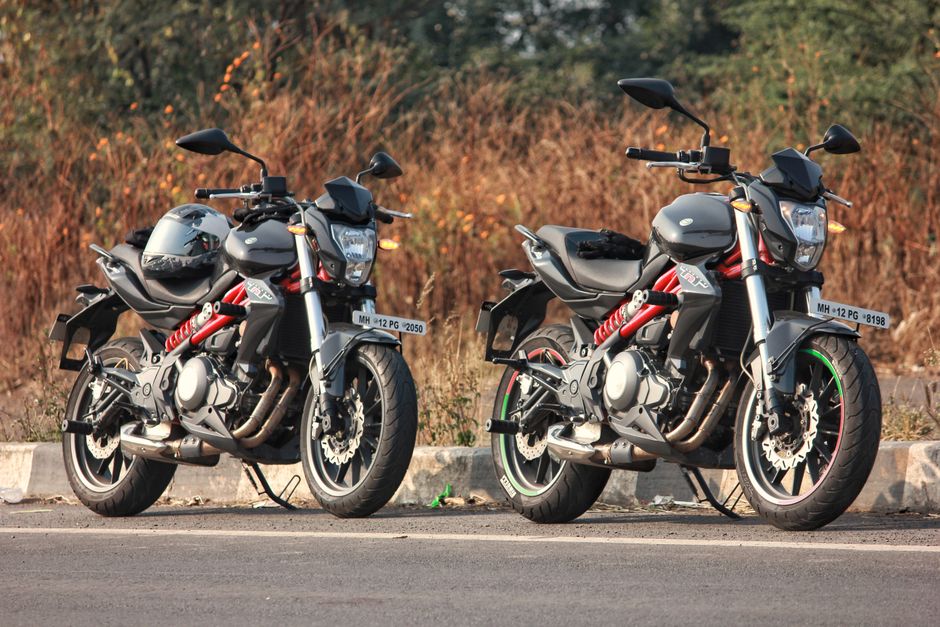
Ah, the motorbike. The undisputed king of Vietnamese roads! For many travelers, renting a motorbike is the ultimate way to experience the country's stunning landscapes and hidden gems. However, it's not for the faint of heart. Vietnamese roads can be chaotic, and driving requires skill, confidence, and a healthy dose of caution.
My experience: I've rented motorbikes in Vietnam on several occasions, and it's always been an adventure. I've cruised along coastal roads, navigated mountain passes, and explored remote villages. It's an incredible feeling of freedom and independence. But I've also had my share of near misses and minor accidents (nothing serious, thankfully!).
Here's what you need to know before hopping on a motorbike:
- License Requirements: Officially, you need a Vietnamese driving license or an international driving permit (IDP) recognized in Vietnam to legally drive a motorbike. However, many tourists rent motorbikes without either, but be aware that you're technically driving illegally and insurance may not cover you in case of an accident.
- Renting a Motorbike: You can rent motorbikes from numerous shops and hotels, especially in tourist areas. Prices vary depending on the type of bike and the rental duration. Inspect the bike carefully before renting and take photos of any existing damage.
- Choosing the Right Bike: For short trips around town, a scooter is usually sufficient. For longer journeys or mountainous terrain, consider a more powerful bike like a semi-automatic or manual.
- Safety First: Always wear a helmet! It's the law, and it could save your life. Also, consider wearing protective gear like gloves, knee pads, and a jacket.
- Driving Skills: Make sure you're comfortable driving a motorbike before venturing onto Vietnamese roads. Practice in a quiet area before hitting the main streets.
- Road Rules: Vietnamese traffic can be chaotic, but there are some basic rules to follow. Drive on the right-hand side of the road, use your indicators, and be aware of your surroundings.
- Common Scams: Be wary of motorbike rental scams. Some rental shops may try to charge you for pre-existing damage or claim that you damaged the bike even if you didn't. Always take photos of the bike before renting and get a written agreement.
Pro Tip: Download an offline map app like Maps.me. It's a lifesaver when you're exploring remote areas without internet access.
Flying High: Catching a Flight in Vietnam
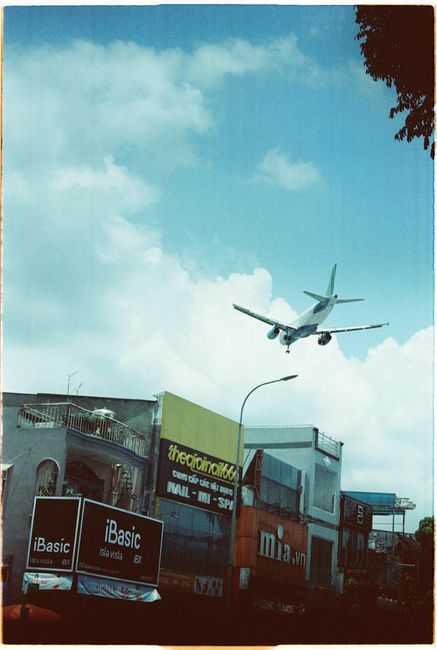
If you're short on time or want to cover long distances quickly, flying is the way to go. Vietnam has a well-developed domestic flight network, with several airlines offering flights between major cities.
My experience: I've flown between Hanoi and Ho Chi Minh City several times, and it's always been a smooth and efficient experience. The airports are modern and well-organized, and the flights are usually on time.
Here's what you need to know about flying in Vietnam:
- Airlines: Some of the main airlines operating domestic flights in Vietnam include Vietnam Airlines, VietJet Air, and Bamboo Airways.
- Booking Flights: You can book flights online through airline websites or online travel agencies. Booking in advance is usually cheaper.
- Domestic Airports: Vietnam has several domestic airports, including Noi Bai International Airport (Hanoi), Tan Son Nhat International Airport (Ho Chi Minh City), and Da Nang International Airport.
- Baggage Allowance: Check the baggage allowance before booking your flight. Budget airlines like VietJet Air often have stricter baggage restrictions.
- Check-in: You can usually check in online or at the airport. Arrive at the airport at least two hours before your flight, especially during peak season.
Pro Tip: Keep an eye out for flight deals and promotions. Budget airlines often offer discounted fares.
Taxis, Ride-Sharing, Cyclos & Xe Oms: Getting Around Town

Within cities, you have a variety of options for getting around, including taxis, ride-sharing services like Grab, cyclos (pedicabs), and xe oms (motorbike taxis).
Taxis: Taxis are readily available in most cities. Make sure the driver uses the meter, or agree on a price beforehand. Reputable taxi companies include Mai Linh and Vinasun.
Grab: Grab is the most popular ride-sharing app in Vietnam. It's convenient, reliable, and often cheaper than taxis. You can book a car or motorbike taxi through the app.
Cyclos: Cyclos are a fun and unique way to experience the city streets. However, they're not the fastest or most efficient mode of transport. Negotiate the price before you hop on.
Xe Oms: Xe oms are motorbike taxis. They're a fast and cheap way to get around, but they can be a bit hair-raising. Always agree on a price before you hop on, and wear a helmet if the driver offers one.
Pro Tip: Download the Grab app before you arrive in Vietnam. It's a lifesaver for getting around cities.
Final Thoughts: Embrace the Adventure!

Navigating Vietnam's transportation system can be a bit of an adventure in itself. There will be challenges, delays, and maybe even a few unexpected surprises. But that's all part of the fun! Embrace the chaos, be patient, and remember to smile. With a little planning and a sense of adventure, you'll be exploring Vietnam like a local in no time.
So, pack your bags, book your tickets, and get ready for an unforgettable journey! Chúc may mắn (good luck) and happy travels!

Post a Comment for "Navigating Vietnam: Your Ultimate Guide to Trains, Buses, Bikes, & Flights!"
Post a Comment