Jade Emperor Pagoda: Finding Spiritual Serenity in Ho Chi Minh City's Oasis of Calm

Jade Emperor Pagoda: Finding Spiritual Serenity in Ho Chi Minh City's Oasis of Calm
Ho Chi Minh City, a vibrant and bustling metropolis, can sometimes feel overwhelming. The constant hum of motorbikes, the vibrant street food scene, and the sheer energy of the city are all part of its charm, but every now and then, you crave a moment of peace, a place to escape the frenetic pace. That's where the Jade Emperor Pagoda, or Chùa Ngọc Hoàng as it's known locally, comes in. Tucked away amidst the urban sprawl, this Taoist temple offers a surprising oasis of calm, a place to reflect, admire intricate art, and simply breathe.
A Journey Through History and Faith
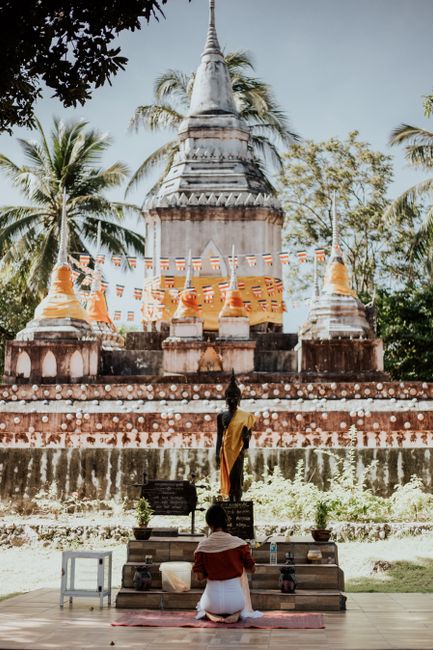
My first visit to the Jade Emperor Pagoda was a complete accident, actually! I was wandering around the District 1 area, slightly lost, when I stumbled upon this incredibly ornate gate. Intrigued, I stepped inside, and immediately, the noise of the city seemed to fade away. The air felt different, heavier with incense and a sense of tranquility. It was a truly transformative experience, and I've been drawn back many times since.
The pagoda, also sometimes referred to as the Tortoise Pagoda (Chùa Rùa) because of the numerous tortoises living in its ponds, was built in 1909 by a Cantonese community. Its construction was led by Lưu Minh, who also went by the name Nguyễn Văn Tôn. He was a follower of both Taoism and Buddhism, and that syncretism is beautifully reflected throughout the temple. You'll notice elements of both faiths intertwined, from the deities represented to the architectural style. It's not just a Taoist temple; it's a harmonious blend of Eastern philosophies.
Over the years, the pagoda has been carefully maintained and restored, ensuring that its beauty and significance are preserved for future generations. Walking through its courtyards and halls, you can almost feel the weight of history, the prayers and hopes of countless visitors echoing through the years. It's a living, breathing testament to the enduring power of faith.
What to Expect: A Visual Feast

Prepare to be amazed! The Jade Emperor Pagoda isn't just a place of worship; it's a work of art. Every corner is filled with intricate details, from the elaborate carvings on the wooden doors to the vibrant paintings on the walls. The sheer number of statues – depicting gods, goddesses, mythical creatures, and historical figures – is staggering. Don't rush; take your time to appreciate the craftsmanship and symbolism behind each piece.
Here's what you'll likely encounter on your visit:
- The Entrance Gate: The ornate gate itself is a masterpiece, adorned with intricate carvings and vibrant colors. It sets the tone for the entire experience.
- The Courtyard: Upon entering, you'll find a bustling courtyard filled with the fragrant aroma of incense. Look out for the tortoise ponds, home to dozens of these ancient reptiles, symbolizing longevity and wisdom.
- The Main Sanctuary: This is the heart of the pagoda, dedicated to the Jade Emperor (Ngọc Hoàng), the supreme ruler of Heaven in Taoist belief. The statues here are larger than life and incredibly detailed.
- The Hall of the Ten Hells: This section depicts the punishments awaiting sinners in the afterlife. While it might sound a bit grim, it's a fascinating insight into Taoist beliefs about morality and karma.
- The Kim Hoa Shrine: Dedicated to the goddess Kim Hoa, protector of women and children. This is a popular place for couples to pray for fertility and safe childbirth.
- The Avalokiteśvara Statue: A beautiful statue of Avalokiteśvara, the Bodhisattva of Compassion, a prominent figure in Mahayana Buddhism.
One of the things that struck me most was the abundance of incense. The air is thick with the sweet, smoky fragrance, adding to the spiritual atmosphere. You'll see worshippers lighting incense sticks and offering prayers, a tangible expression of their faith and devotion. It's a powerful reminder of the deep-seated spiritual beliefs that are still very much alive in Vietnam.
Decoding the Symbolism: Understanding the Meaning

The Jade Emperor Pagoda is more than just a pretty place; it's filled with rich symbolism. Understanding these symbols can deepen your appreciation for the temple and its significance. Don't be afraid to ask questions! Local guides are often available and eager to share their knowledge.
Here are a few key symbols to look out for:
- Dragons: Dragons are a common motif in Vietnamese art and architecture, symbolizing power, good fortune, and prosperity.
- Phoenixes: Often paired with dragons, phoenixes represent feminine grace, rebirth, and immortality.
- Tortoises: As mentioned earlier, tortoises symbolize longevity, wisdom, and stability.
- Lotus Flowers: Lotus flowers are symbols of purity, enlightenment, and spiritual awakening.
- Incense: Incense represents prayers rising to heaven and is a way to communicate with the divine.
Pay attention to the colors used throughout the pagoda as well. Red is associated with happiness and good luck, while gold symbolizes wealth and prosperity. The skillful use of color adds to the overall visual impact of the temple.
A Place for Reflection and Prayer
Whether you're religious or not, the Jade Emperor Pagoda offers a unique opportunity for reflection and contemplation. Find a quiet corner, sit down, and simply observe. Watch the worshippers light incense, listen to the chants, and soak in the atmosphere. It's a chance to disconnect from the outside world and connect with something deeper within yourself.
I remember one time, I was feeling particularly stressed and overwhelmed. I went to the pagoda seeking a sense of calm. I sat in the courtyard, listening to the gentle sounds of the wind chimes and watching the tortoises basking in the sun. Gradually, my anxiety began to dissipate, replaced by a feeling of peace and serenity. It was a powerful reminder of the importance of taking time for myself and finding moments of stillness in the midst of the chaos.
If you feel moved to do so, you can also light incense and offer a prayer. Whether you're praying for good health, happiness, or simply expressing gratitude, the act of offering a prayer can be a deeply meaningful experience. Remember to be respectful of the local customs and traditions.
Tips for Visiting the Jade Emperor Pagoda

Planning a visit to the Jade Emperor Pagoda? Here are a few tips to help you make the most of your experience:
- Dress Respectfully: As a place of worship, it's important to dress modestly. Avoid wearing shorts, tank tops, or revealing clothing. Covering your shoulders and knees is generally a good idea.
- Remove Your Shoes: You'll be asked to remove your shoes before entering the main sanctuary. There's usually a designated area for storing shoes near the entrance.
- Be Mindful of Noise: Keep your voice down and avoid making loud noises, especially during prayer times.
- No Flash Photography: Flash photography is generally not allowed inside the pagoda, as it can be disruptive to worshippers and damaging to the artwork.
- Offer a Donation: It's customary to offer a small donation when visiting a temple. There are usually donation boxes located throughout the pagoda.
- Hire a Guide (Optional): If you're interested in learning more about the history and symbolism of the pagoda, consider hiring a local guide. They can provide valuable insights and answer your questions.
- Visit During Off-Peak Hours: The pagoda can get crowded, especially on weekends and holidays. To avoid the crowds, try visiting during off-peak hours, such as early morning or late afternoon.
- Take Your Time: Don't rush through your visit. Allow yourself plenty of time to explore the pagoda and soak in the atmosphere.
- Learn a Few Basic Vietnamese Phrases: Knowing a few basic Vietnamese phrases, such as "Xin chào" (hello) and "Cảm ơn" (thank you), can go a long way in showing respect and appreciation.
Beyond the Pagoda: Exploring the Neighborhood

The Jade Emperor Pagoda is located in District 1, a vibrant and central area of Ho Chi Minh City. After your visit, take some time to explore the surrounding neighborhood. You'll find a wide array of restaurants, cafes, shops, and other attractions. It's a great way to experience the local culture and get a taste of everyday life in Saigon.
Some nearby attractions worth checking out include:
- War Remnants Museum: A sobering but important museum documenting the Vietnam War.
- Independence Palace: The former Presidential Palace, offering a glimpse into Vietnam's modern history.
- Notre-Dame Cathedral Basilica of Saigon: A stunning example of French colonial architecture.
- Saigon Central Post Office: A beautifully preserved post office designed by Gustave Eiffel.
- Ben Thanh Market: A bustling market selling everything from souvenirs to street food.
Don't forget to sample some of the delicious local cuisine! District 1 is a foodie paradise, offering a wide variety of Vietnamese dishes. From pho to banh mi to fresh spring rolls, there's something to satisfy every palate.
My Lasting Impressions
The Jade Emperor Pagoda is more than just a tourist attraction; it's a spiritual sanctuary, a place of beauty, and a testament to the enduring power of faith. Each time I visit, I discover something new, whether it's a hidden detail in the artwork or a deeper understanding of Taoist beliefs. It's a place that stays with you long after you've left, a reminder of the importance of finding peace and meaning in our busy lives.
I encourage you to add the Jade Emperor Pagoda to your itinerary when visiting Ho Chi Minh City. It's an experience you won't soon forget. Take a deep breath, open your mind, and allow yourself to be transported to a world of spiritual serenity.
So, if you're ever feeling overwhelmed by the hustle and bustle of Ho Chi Minh City, remember the Jade Emperor Pagoda. It's a place where you can find a moment of peace, connect with your inner self, and appreciate the beauty of Vietnamese culture and spirituality. And who knows, you might just stumble upon it by accident, like I did, and discover a hidden gem that will enrich your life.

Post a Comment for "Jade Emperor Pagoda: Finding Spiritual Serenity in Ho Chi Minh City's Oasis of Calm"
Post a Comment