From North to South: Your Ultimate Vietnam Adventure - A Tailored Itinerary

From North to South: Your Ultimate Vietnam Adventure - A Tailored Itinerary
Hey there, fellow travel enthusiast! Ever dreamt of a land where ancient history dances with vibrant modernity, where bustling cities meet serene rice paddies, and the aroma of delicious street food hangs heavy in the air? Well, that's Vietnam for you, a country that's completely captured my heart (and stomach!). I've explored Vietnam from its misty mountains in the north to its sun-kissed beaches in the south, and let me tell you, it's an experience you won't soon forget. So, grab a cup of Vietnamese coffee (cà phê sữa đá, anyone?) and let's dive into crafting your perfect Vietnam itinerary, from north to south!
Planning Your Vietnamese Odyssey: Key Considerations

Before we get down to the nitty-gritty of specific destinations, let's chat about some crucial things to consider. Vietnam is a long, slender country, and traversing it requires a bit of planning. Here's what's on my mind:
1. Time is of the Essence: How long do you have? Vietnam deserves more than a rushed weekend. Ideally, 2-3 weeks will allow you to experience the key highlights comfortably. A month or more? Even better! You can truly immerse yourself in the culture and explore hidden gems.
2. Weather Wise: Vietnam's climate varies significantly from north to south. The north experiences distinct seasons, with cool, dry winters (November to April) and hot, humid summers (May to October). The south, on the other hand, enjoys a tropical climate with a dry season (December to April) and a wet season (May to November). Central Vietnam can be hit by typhoons during the wet season (September to December). Check the forecast and pack accordingly!
3. Budget Breakdown: Vietnam is generally very affordable, but your spending habits will heavily influence your budget. Hostels and budget hotels are plentiful, as is incredibly tasty and cheap street food. Flights, high-end accommodation, and organized tours will naturally increase your costs. Set a realistic daily budget and stick to it!
4. Visa Ventures: Most nationalities require a visa to enter Vietnam. Check the visa requirements for your country well in advance of your trip. E-visas are often the easiest option.
5. Transportation Tactics: Getting around Vietnam is an adventure in itself! You have several options:
- Flights: The quickest way to cover long distances. Vietnam Airlines, Vietjet Air, and Bamboo Airways are the main domestic carriers.
- Trains: A scenic and comfortable way to travel, especially along the north-south Reunification Express route.
- Buses: The most budget-friendly option, but can be slow and crowded. Sleeper buses are a good choice for overnight journeys.
- Motorbikes: Renting a motorbike is a popular way to explore local areas, but be aware of the chaotic traffic and ensure you have the proper license and insurance. (I personally preferred hiring a driver when I wasn't comfortable driving myself!)
Northern Vietnam: A Land of Mystical Beauty
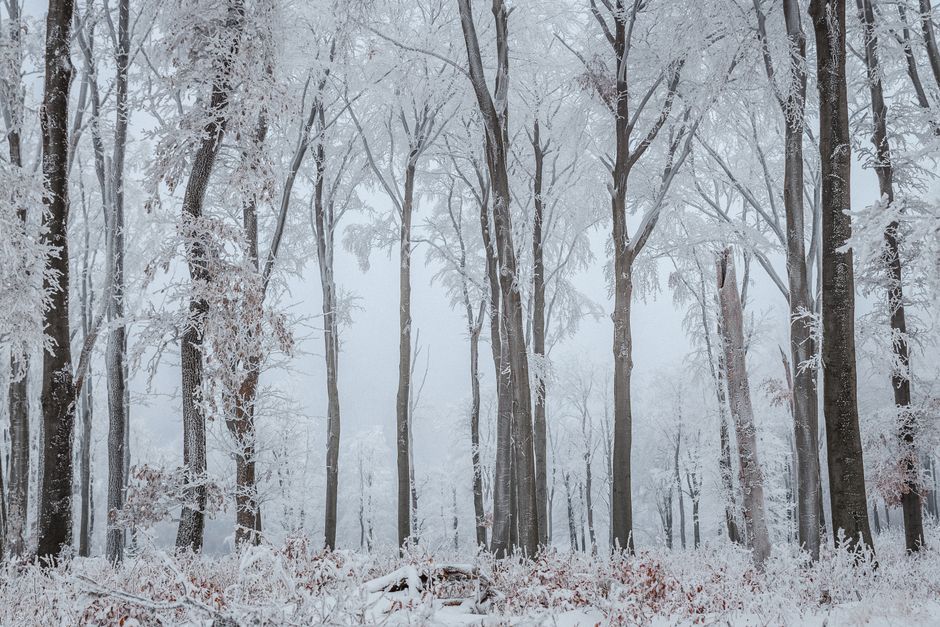
Our journey begins in the north, a region steeped in history and boasting stunning natural landscapes.
Hanoi: The Charming Capital
Hanoi, the capital city, is a sensory explosion! It's a city of contrasts, where ancient temples stand shoulder to shoulder with modern skyscrapers. I absolutely adored getting lost in the narrow, winding streets of the Old Quarter, a maze of shops, food stalls, and motorbike traffic. Here's what you shouldn't miss:
- Hoan Kiem Lake & Ngoc Son Temple: A peaceful oasis in the heart of the city. Legend says a giant turtle gifted a magical sword to Emperor Le Loi here.
- The Old Quarter: Immerse yourself in the bustling atmosphere, shop for souvenirs, and sample delicious street food like pho and banh mi.
- Ho Chi Minh Mausoleum & Museum: Pay respects to the former leader of Vietnam. Dress respectfully (shoulders and knees covered).
- Temple of Literature: Vietnam's first university, a beautiful and tranquil complex.
- Water Puppet Show: A traditional art form unique to Vietnam.
My Tip: Try an egg coffee (cà phê trứng) – it sounds weird, but it's surprisingly delicious! Giang Cafe is a popular spot.
Sapa: Trekking Through Rice Terraces
From the urban jungle of Hanoi, we head north to Sapa, a mountain town renowned for its breathtaking rice terraces and vibrant ethnic minority cultures. The scenery here is simply jaw-dropping. Imagine cascading emerald green rice paddies stretching as far as the eye can see, punctuated by traditional villages nestled in the hills.
What to Do in Sapa:
- Trekking: The main draw of Sapa. Hire a local guide to explore the rice terraces and visit villages like Cat Cat, Lao Chai, and Ta Van. Choose a trek that suits your fitness level.
- Fansipan Peak: Conquer the "Roof of Indochina" via cable car. The views from the top are incredible, weather permitting.
- Sapa Market: A vibrant marketplace where you can buy handicrafts, textiles, and local produce.
- Homestays: Experience authentic local life by staying in a traditional Hmong or Dao home.
My Tip: Pack layers! The weather in Sapa can be unpredictable, especially at higher altitudes.
Ha Long Bay: A Floating Paradise
No trip to northern Vietnam is complete without a visit to Ha Long Bay, a UNESCO World Heritage site. This stunning bay is dotted with thousands of limestone karsts and islands rising dramatically from the emerald waters. It's like stepping into a postcard. I took a two-day, one-night cruise, and it was truly magical.
Experience Ha Long Bay:
- Cruise: The best way to experience Ha Long Bay. Choose from a range of options, from budget-friendly junks to luxurious cruises.
- Kayaking: Explore hidden caves and lagoons.
- Swimming: Take a dip in the crystal-clear waters.
- Sung Sot Cave (Surprise Cave): A stunning cave with impressive stalactites and stalagmites.
- Titop Island: Climb to the top for panoramic views of the bay.
My Tip: Research cruise operators carefully and read reviews. Book in advance, especially during peak season.
Central Vietnam: History, Beaches, and Tailors

Next, we journey south to central Vietnam, a region that beautifully blends history, culture, and stunning coastline.
Hoi An: The Ancient Town
Hoi An is a UNESCO World Heritage site and a truly charming town. It's famous for its well-preserved architecture, tailor shops, and delicious cuisine. Walking through the lantern-lit streets at night is an unforgettable experience. I spent hours just wandering around, soaking up the atmosphere.
Things to Do in Hoi An:
- Japanese Covered Bridge: A symbol of Hoi An.
- Ancient Houses: Visit Tan Ky Old House or Phung Hung Old House for a glimpse into the past.
- Tailor Shops: Get custom-made clothing at affordable prices. Be sure to bargain!
- An Bang Beach: Relax on the beach or take a surf lesson.
- Cooking Class: Learn to prepare authentic Vietnamese dishes.
My Tip: Hoi An is known for its delicious street food. Try cao lầu (noodles with pork and greens) and white rose dumplings.
Hue: The Imperial City
Hue, the former imperial capital of Vietnam, is steeped in history and boasts impressive historical sites. It's a bit more laid-back than Hanoi or Ho Chi Minh City, making it a great place to delve into Vietnam's past. I found the Citadel particularly fascinating.
Explore Hue's Heritage:
- The Citadel: A sprawling complex that was once the home of the Nguyen Dynasty emperors.
- Thien Mu Pagoda: A beautiful pagoda overlooking the Perfume River.
- Royal Tombs: Visit the tombs of emperors Minh Mang, Tu Duc, and Khai Dinh. Each tomb is unique and reflects the personality of the emperor.
- Perfume River Cruise: Take a boat trip along the Perfume River.
My Tip: Hire a motorbike or take a taxi to explore the royal tombs, as they are located outside the city center.
Da Nang: Bridges and Beaches
Da Nang is a modern coastal city known for its beautiful beaches, impressive bridges, and delicious seafood. It's a great place to relax and enjoy the sun and sea. The Dragon Bridge, which breathes fire and water on weekends, is a real spectacle. I enjoyed spending a few days here just chilling on the beach and exploring the city.
Da Nang Delights:
- My Khe Beach: One of the most famous beaches in Vietnam.
- Dragon Bridge: Watch the dragon breathe fire and water on weekends (9 PM).
- Marble Mountains: Explore caves, temples, and pagodas carved into limestone hills.
- Ba Na Hills: Visit the Golden Bridge, a pedestrian bridge held up by giant stone hands.
- Son Tra Peninsula (Monkey Mountain): Enjoy scenic views and visit the Lady Buddha statue.
My Tip: Da Nang is a great place to try fresh seafood. Head to one of the many seafood restaurants along the coast.
Southern Vietnam: Bustling Cities and Mekong Delta Delights
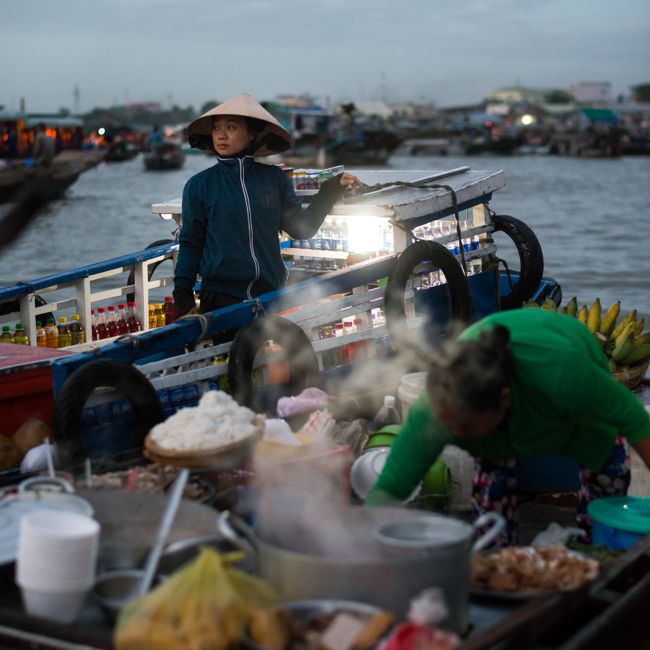
Finally, we arrive in southern Vietnam, a region known for its vibrant cities, fertile Mekong Delta, and beautiful islands.
Ho Chi Minh City (Saigon): A Dynamic Metropolis
Ho Chi Minh City, formerly Saigon, is a dynamic metropolis that pulsates with energy. It's a city of contrasts, where French colonial architecture stands alongside modern skyscrapers. The traffic can be intense, but it's all part of the city's charm! I found it incredibly exciting to explore, and there's always something new to discover.
Must-See in HCMC:
- War Remnants Museum: A sobering but important museum that documents the Vietnam War.
- Reunification Palace: The former presidential palace of South Vietnam.
- Notre-Dame Cathedral Basilica of Saigon: A beautiful French colonial cathedral.
- Central Post Office: A stunning example of French colonial architecture.
- Ben Thanh Market: A bustling market where you can buy souvenirs, food, and clothing. Be prepared to bargain!
- Cu Chi Tunnels: Explore the underground tunnel network used by the Viet Cong during the Vietnam War.
My Tip: Try a street food tour to sample the best of Saigon's culinary scene. Banh xeo (crispy pancake) and com tam (broken rice) are must-tries.
Mekong Delta: A Waterworld Adventure
The Mekong Delta is a vast network of rivers, canals, and islands in southern Vietnam. It's a world away from the bustling cities, and a truly unique experience. I took a boat trip through the canals and visited floating markets, and it was fascinating to see how people live and work on the water.
Mekong Delta Experiences:
- Floating Markets: Visit Cai Be or Cai Rang floating market to see vendors selling their wares from boats.
- Boat Trips: Explore the canals and waterways by boat.
- Coconut Candy Factories: See how coconut candy is made.
- Fruit Orchards: Sample fresh tropical fruits.
- Homestays: Stay in a traditional Vietnamese home in the Delta.
My Tip: Be prepared for early mornings to visit the floating markets, as they are most active in the early hours.
Phu Quoc Island: Beach Bliss
If you're looking for some relaxation after all the sightseeing, head to Phu Quoc Island, a tropical paradise off the coast of southern Vietnam. The island boasts stunning beaches, clear waters, and lush rainforests. It's the perfect place to unwind and soak up the sun.
Phu Quoc Highlights:
- Long Beach (Bai Truong): The most popular beach on the island.
- Sao Beach (Bai Sao): A beautiful white-sand beach.
- Starfish Beach (Rach Vem): Known for its abundance of starfish.
- Phu Quoc National Park: Hike through the rainforest.
- Fish Sauce Factories: See how fish sauce, a staple ingredient in Vietnamese cuisine, is made.
My Tip: Rent a motorbike to explore the island at your own pace.
So there you have it – my comprehensive guide to exploring Vietnam from north to south! Of course, this is just a suggestion, and you can customize your itinerary to suit your interests and budget. The most important thing is to be open to new experiences, embrace the culture, and enjoy the ride. Vietnam is a truly magical country, and I know you'll fall in love with it just as I did. Happy travels!

Post a Comment for "From North to South: Your Ultimate Vietnam Adventure - A Tailored Itinerary"
Post a Comment