Exploring Hanoi's Museums: A Journey Through History, Art, and Culture

Exploring Hanoi's Museums: A Journey Through History, Art, and Culture
Hey there! Have you ever visited a city and felt like you were stepping back in time? That's Hanoi for me. And the best way to really soak up that historical and cultural atmosphere? Its museums! I've spent quite a bit of time exploring Hanoi's museum scene, and let me tell you, it's been an incredible experience. I'm excited to share my personal insights and tips with you, so you can plan your own enriching adventure through these fascinating spaces.
Delving into History: The Vietnam National Museum of History

Let's kick things off with a real heavyweight: the Vietnam National Museum of History. I remember the first time I walked through its doors; I was immediately struck by the sheer scope of its collection. This isn't just about recent history; it's a comprehensive journey spanning millennia, starting with prehistoric times and moving all the way up to the August Revolution in 1945.
What to Expect: Prepare to be amazed by artifacts from different periods of Vietnamese history. You'll see everything from ancient tools and pottery to intricate bronze drums and royal regalia. The museum is divided into sections, each focusing on a specific era. I particularly loved the exhibits on the Dong Son culture; those bronze drums are truly works of art!
My Pro Tip: The museum is quite large, so wear comfortable shoes! Also, allocate at least 2-3 hours to really explore everything. Don't rush; take your time to read the descriptions and soak in the stories behind each artifact. English translations are generally available, but having a good tour guide can really bring the history to life.
Unveiling Artistic Treasures: The Vietnam National Fine Arts Museum
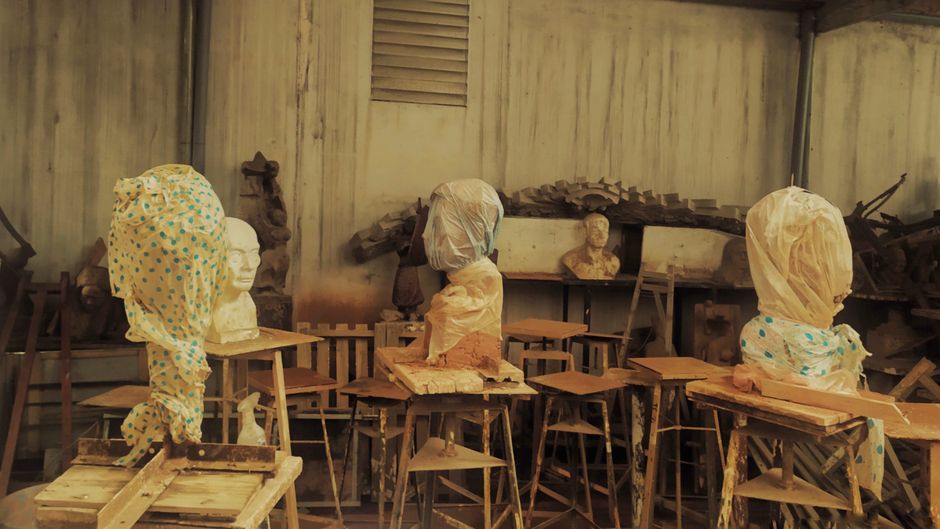
If you're an art lover like me, the Vietnam National Fine Arts Museum is an absolute must-see. This museum showcases the evolution of Vietnamese art, from ancient sculptures and lacquerware to modern paintings and contemporary installations. It's a vibrant testament to the country's artistic talent.
Exploring the Collection: You'll find a diverse range of artistic styles here. The ancient Cham sculptures are incredibly impressive, as are the traditional lacquer paintings, which are a uniquely Vietnamese art form. I was particularly captivated by the socialist realist paintings from the 20th century; they offer a fascinating glimpse into Vietnam's recent history and social ideologies. Contemporary pieces are also starting to find their place, showcasing the evolution of Vietnamese art expression.
Don't Miss: Pay special attention to the collection of silk paintings. They are delicate, beautiful, and uniquely Vietnamese. Also, look out for temporary exhibitions, which often feature contemporary Vietnamese artists. These shows provide a fresh perspective on the country's evolving art scene.
My Experience: I spent a good half-day in this museum, wandering through the galleries and admiring the diverse collection. It's a great place to reflect on the influence of culture and history on art. The building itself is gorgeous too, an old French colonial building with high ceilings and a bright, airy feel.
Understanding Ethnic Diversity: The Vietnam Museum of Ethnology
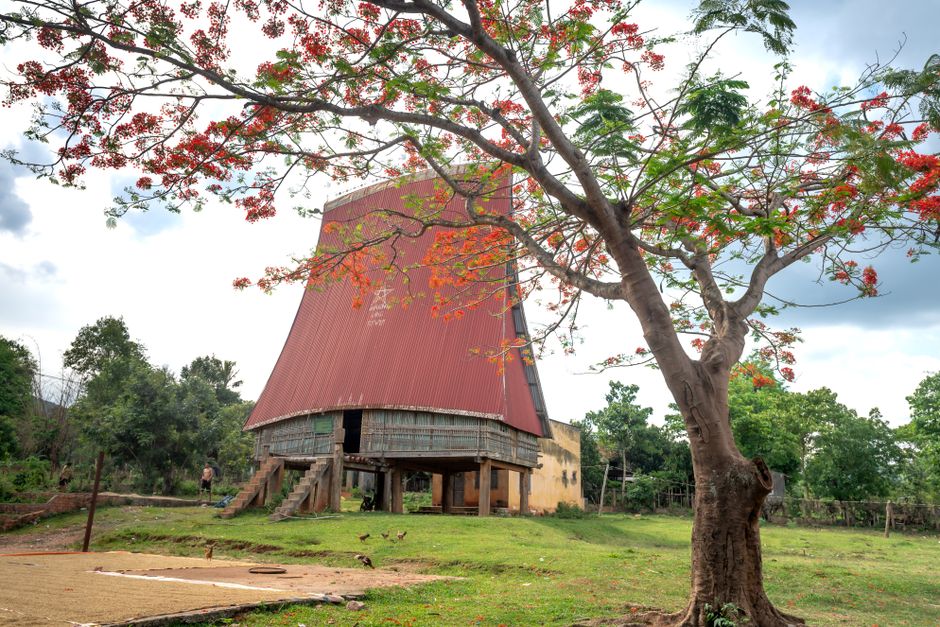
Okay, this one is a personal favorite! The Vietnam Museum of Ethnology is without a doubt one of the best museums in Southeast Asia, in my opinion. It's not just about displaying artifacts; it's about celebrating and preserving the rich cultural heritage of Vietnam's 54 ethnic groups. This museum provides an incredibly insightful look into the diverse traditions, customs, and lifestyles of these communities.
An Immersive Experience: What sets this museum apart is its focus on showcasing the everyday lives of Vietnam's ethnic minorities. You'll see traditional houses rebuilt on the museum grounds, complete with furniture, tools, and clothing. It feels like stepping into a living village. Inside the main building, you'll find exhibits dedicated to each ethnic group, displaying their costumes, musical instruments, religious objects, and tools.
What to See:
- The outdoor exhibition: Explore the various traditional houses, including stilt houses, communal houses, and even a tomb house.
- The indoor galleries: Learn about the customs, beliefs, and daily life of each ethnic group through detailed displays and informative descriptions.
- The water puppet theatre: If you get a chance, catch a performance of traditional water puppetry. It's a truly unique Vietnamese art form.
Why I Love It: This museum is so well-designed and engaging. It's not just about looking at objects; it's about understanding the people behind them. I spent hours wandering around, learning about the fascinating customs and traditions of each ethnic group. It really opened my eyes to the incredible diversity of Vietnam.
Hoa Lo Prison: A Stark Reminder of History

This is a heavy one, but a crucial stop for understanding a significant part of Vietnam's history. Hoa Lo Prison, also known as the "Hanoi Hilton," served as a prison during both the French colonial period and the Vietnam War. Walking through its walls is a sobering experience, offering a raw and unflinching look at the realities of war and imprisonment.
A Place of Suffering: The prison was originally built by the French to house Vietnamese political prisoners. Later, during the Vietnam War, it was used to hold American prisoners of war. The exhibits depict the harsh conditions endured by prisoners, including overcrowding, torture, and malnutrition. Seeing the cells, shackles, and other artifacts is incredibly moving and unsettling.
Remembering the Past: The museum also presents the Vietnamese perspective on the prison, highlighting the resilience and resistance of Vietnamese revolutionaries during the colonial period. It's important to approach this museum with an open mind and a willingness to understand different perspectives on history.
Important Note: This museum can be emotionally challenging. It's important to be respectful and mindful of the history it represents. Take your time, read the descriptions carefully, and allow yourself to reflect on the stories of those who suffered within these walls.
The Ho Chi Minh Museum: Understanding a Leader

Love him or hate him, Ho Chi Minh is a towering figure in Vietnamese history. The Ho Chi Minh Museum is dedicated to his life and legacy, exploring his revolutionary activities, his contributions to Vietnamese independence, and his enduring impact on the country.
A Symbol of Vietnam: The museum is a grand, modern building, reflecting the importance of Ho Chi Minh in Vietnamese society. Inside, you'll find exhibits showcasing his personal belongings, photographs, documents, and speeches. The museum also explores his ideology and his vision for a socialist Vietnam.
More Than Just a Shrine: While the museum is undoubtedly reverential, it also provides valuable insights into the complexities of Vietnamese history and politics. It's worth visiting to gain a better understanding of Ho Chi Minh's role in shaping modern Vietnam.
Things to Consider: The museum's interpretation of history can be somewhat one-sided, so it's important to approach it critically. Supplement your visit with other sources of information to gain a more balanced perspective on Ho Chi Minh and his legacy.
Tips for Visiting Hanoi's Museums

Okay, now that I've given you a rundown of some of my favorite Hanoi museums, here are a few tips to help you make the most of your visit:
- Plan Ahead: Check the opening hours and admission fees for each museum before you go. Some museums are closed on Mondays or have limited hours.
- Dress Comfortably: You'll be doing a lot of walking, so wear comfortable shoes and light clothing.
- Stay Hydrated: Hanoi can be hot and humid, so be sure to drink plenty of water.
- Hire a Guide: If you're interested in learning more about the history and culture of Vietnam, consider hiring a tour guide. They can provide valuable insights and answer your questions.
- Learn Some Basic Vietnamese Phrases: While English is spoken in many tourist areas, knowing a few basic Vietnamese phrases can be helpful and appreciated.
Getting Around: Taxis and ride-sharing apps like Grab are readily available and relatively inexpensive in Hanoi. You can also rent a motorbike if you're comfortable driving in Vietnamese traffic. However, be aware that traffic can be chaotic, so exercise caution.
Beyond the Big Names: Lesser-Known Gems

While the museums I've already mentioned are definitely worth visiting, Hanoi has a few lesser-known gems that are also worth exploring if you have the time.
A few to consider:
a. The Vietnam Military History Museum: If you're interested in military history, this museum is a must-see. It showcases Vietnam's military struggles throughout its history, from ancient battles to the Vietnam War.
b. The Museum of Vietnamese Women: This museum celebrates the contributions of Vietnamese women to society, from their roles in the family to their participation in the workforce and the military.
c. The Geological Museum: For something totally different, check out this collection of rocks, minerals, and fossils, showcasing the geological history of Vietnam.
Reflecting on My Hanoi Museum Experiences

My time exploring Hanoi's museums has been incredibly enriching. I've learned so much about Vietnamese history, culture, and art. It's given me a much deeper appreciation for this fascinating country and its people.
More than just objects: The museums are more than just collections of objects; they are windows into the past and reflections of the present. They tell stories of resilience, innovation, and cultural pride. I encourage you to visit these museums and discover these stories for yourself.
Final Thoughts: So, pack your bags, book your flight, and get ready to explore the captivating museums of Hanoi. You won't be disappointed. I hope my experiences and tips have been helpful in planning your adventure. Happy travels, and enjoy the journey!

Post a Comment for "Exploring Hanoi's Museums: A Journey Through History, Art, and Culture"
Post a Comment