Cu Chi Tunnels: Delving Into Vietnam's Astonishing Underground Warfare History
Cu Chi Tunnels: Delving Into Vietnam's Astonishing Underground Warfare History
Hey friend, have you ever imagined living underground? I mean, really underground, for years on end? It sounds like something out of a science fiction movie, right? But it was a very real part of the Vietnam War, and nowhere is this reality more palpable than at the Cu Chi Tunnels. Trust me, visiting these tunnels is an experience you won't soon forget. I'm going to share my own experience and insights into this incredible feat of human ingenuity and resilience.
A Glimpse into the Past: Understanding the Cu Chi Tunnels

Okay, let's set the scene. The Cu Chi Tunnels are a vast network of interconnected tunnels located in the Cu Chi district of Ho Chi Minh City (formerly Saigon), Vietnam. They weren't just a simple hiding place, though. This was a fully functioning underground city, complete with living quarters, kitchens, hospitals, armories, and even schools! Imagine that – a whole life lived beneath the surface, a hidden world supporting the Viet Cong (National Liberation Front) forces during the Vietnam War.
The tunnels weren't built overnight. Their construction began in the late 1940s during the First Indochina War against the French colonial power. Initially, they served as a place to hide from French air raids. However, their scale and importance dramatically increased during the Vietnam War, when they became a vital base of operations for the Viet Cong.
I remember walking through a small section of the tunnels that has been widened for tourists. Even that was incredibly claustrophobic. I could barely imagine spending days, weeks, or even years down there. It's humbling to think about the sheer determination and resourcefulness of the people who not only built these tunnels but lived and fought from them.
Building an Underground City: The Ingenuity of the Viet Cong

So, how did they do it? That's the question that kept buzzing in my head as I explored the area. The answer lies in a combination of clever engineering, readily available materials, and a deep understanding of the local terrain. Let's break down the key factors:
- Simple Tools, Ingenious Techniques: The primary tools used were simple hand tools like shovels and baskets. The soil in the Cu Chi region is a dense clay, which made digging difficult but also ensured the tunnels would be structurally sound. The excavated soil was carefully dispersed, often camouflaged in rice paddies or even used to create dummy termite mounds. The Viet Cong were masters of deception.
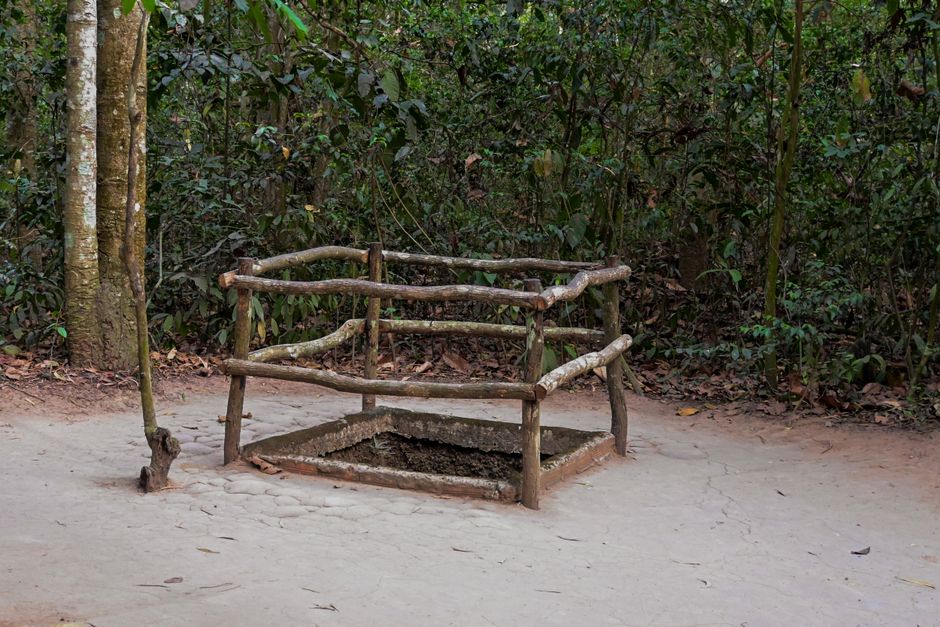
- Camouflage and Concealment: The tunnel entrances were incredibly well-hidden. They were small and covered with leaves and dirt, making them virtually undetectable to the untrained eye. Some entrances were even booby-trapped to deter intruders. I saw a demonstration of how these traps worked, and let me tell you, they were terrifyingly effective.
- Ventilation and Water Sources: Staying underground for extended periods requires adequate ventilation and water. The Viet Cong created a network of ventilation shafts disguised as termite mounds or camouflaged within the foliage. They also dug wells to access groundwater, ensuring a reliable water supply.
- Strategic Design: The tunnel system was far from a simple straight path. It was a complex labyrinth with multiple levels, false passages, and hidden chambers. This made it incredibly difficult for enemy forces to navigate and increased the chances of trapping or ambushing them.
The resourcefulness of the Viet Cong was truly astounding. They used everything they had available to them, turning the very earth beneath their feet into a weapon of resistance.
Life Underground: The Challenges and Hardships

While the tunnels provided a safe haven, life underground was far from easy. Imagine the constant darkness, the stifling heat, the lack of fresh air, and the ever-present fear of discovery. I was only in the tunnels for a short while, and even that was enough to make me feel uncomfortable and anxious.
Here are some of the key challenges faced by those living in the Cu Chi Tunnels:
- Disease and Infestation: The damp, dark conditions were breeding grounds for diseases and parasites. Malaria, hookworm, and other infections were rampant. Medical supplies were scarce, and even minor injuries could become life-threatening.
- Food and Water Shortages: Food and water were always in short supply. The Viet Cong relied on foraging, growing crops in hidden gardens, and smuggling supplies from sympathetic villagers. However, these sources were often unreliable, and hunger was a constant companion.
- Confined Spaces and Isolation: Living in cramped, dark spaces for extended periods took a heavy toll on mental health. The lack of sunlight and fresh air, combined with the constant stress of war, led to feelings of depression, anxiety, and isolation.
- The Threat of Attack: The tunnels were not immune to attack. American forces used various tactics to try and flush out the Viet Cong, including flooding the tunnels, using tear gas, and sending in "tunnel rats" – soldiers specifically trained to navigate the tunnels. These attacks were terrifying and often resulted in heavy casualties.
Despite these hardships, the people living in the Cu Chi Tunnels persevered. Their resilience and determination in the face of adversity are truly inspiring. They were fighting for their independence, their homes, and their families, and they were willing to endure unimaginable suffering to achieve their goals.
The "Tunnel Rats": A Glimpse into Courage and Fear

I mentioned "tunnel rats" earlier. These were American and Australian soldiers who volunteered to enter the tunnels and search for Viet Cong forces and booby traps. It was an incredibly dangerous job, requiring immense courage, skill, and a healthy dose of luck.
Imagine being squeezed into those tight, dark spaces, not knowing what lay around the next corner. You could encounter an enemy soldier, a deadly booby trap, or simply get lost in the labyrinthine network. The tunnel rats faced these dangers every time they entered the tunnels, often armed with only a pistol, a flashlight, and a knife.
The stories I heard about the tunnel rats were both terrifying and inspiring. They were often young men, thrust into a situation that no one could have prepared them for. Yet, they faced their fears and carried out their missions with remarkable bravery. Their contribution to the war effort was significant, and their sacrifices should never be forgotten.
Cu Chi Tunnels and the War's Impact
The Cu Chi Tunnels played a crucial role in the Vietnam War. They provided a safe haven for the Viet Cong, allowing them to launch surprise attacks, transport supplies, and evade enemy forces. The tunnels also served as a propaganda tool, demonstrating the Viet Cong's resilience and determination to resist foreign occupation.
The tunnels frustrated the American forces immensely. They represented a hidden enemy, one that was difficult to detect and even harder to defeat. The Americans spent vast resources trying to destroy the tunnels, but they were never able to completely eliminate them.
The tunnels became a symbol of the Vietnam War, representing the ingenuity and resilience of the Vietnamese people and the futility of American efforts to defeat them. They also highlighted the brutal nature of the conflict and the immense suffering it caused.
Visiting the Cu Chi Tunnels Today: A Must-See Historical Site

Today, the Cu Chi Tunnels are a popular tourist destination. Visiting the tunnels is a powerful and moving experience. It allows you to get a glimpse into the past and understand the challenges and hardships faced by those who lived and fought there. While some sections have been widened and reinforced for tourists, they still give you a good sense of the claustrophobia and darkness that permeated the tunnels.
When you visit, you can expect to:
- Explore sections of the tunnel system: As mentioned, these sections are adapted for visitors, but it's still a tight squeeze!
- Learn about the history of the tunnels: Guides provide detailed information about the construction, use, and significance of the tunnels.
- See displays of booby traps and weapons: This is a sobering reminder of the dangers faced by both sides during the war.
- Watch a documentary film: The film provides valuable context and helps you understand the historical significance of the tunnels.
- Visit the firing range: For an extra fee, you can fire a variety of weapons used during the war. I personally opted out of this, as I found it felt a bit insensitive given the history of the place, but it's an option.
I highly recommend hiring a local guide. Their personal stories and insights will add depth and meaning to your experience. They can share anecdotes and details that you won't find in any guidebook.
Tips for Planning Your Visit

If you're planning a trip to Ho Chi Minh City, a visit to the Cu Chi Tunnels is a must. Here are a few tips to help you plan your visit:
- Book a tour in advance: Tours can fill up quickly, especially during peak season. Booking in advance will ensure you don't miss out. There are many options, from half-day tours to full-day tours that include other nearby attractions.
- Wear comfortable clothing and shoes: You'll be doing a lot of walking and crawling, so dress accordingly. Choose clothes that you don't mind getting dirty, and wear sturdy shoes that can handle uneven terrain.
- Bring insect repellent and sunscreen: The Cu Chi region is known for its mosquitoes and strong sun. Protect yourself by applying insect repellent and sunscreen liberally.
- Stay hydrated: It can get hot and humid, especially inside the tunnels. Bring plenty of water to stay hydrated.
- Be respectful: The Cu Chi Tunnels are a historical site and a memorial to those who suffered and died during the war. Be respectful of the site and the people who lived and fought there.
Beyond the Tunnels: Reflecting on the Lessons of History

Visiting the Cu Chi Tunnels is more than just a tourist activity. It's an opportunity to learn about a pivotal moment in history, to reflect on the human cost of war, and to appreciate the resilience and determination of the Vietnamese people. It's a humbling experience that will stay with you long after you leave.
The Cu Chi Tunnels serve as a powerful reminder of the importance of peace and understanding. They also highlight the ingenuity and resourcefulness of people facing adversity. It's a place that makes you think about the human spirit and what it's capable of enduring.
So, if you ever find yourself in Vietnam, I highly recommend making the trip to the Cu Chi Tunnels. It's an experience that will change your perspective and leave you with a deeper appreciation for the complexities of history and the strength of the human spirit. You'll walk away with not just knowledge, but a feeling – a deep understanding of a part of history that words simply can't capture.
I hope this has been helpful! Let me know if you have any other questions, and I wish you safe travels!

Post a Comment for "Cu Chi Tunnels: Delving Into Vietnam's Astonishing Underground Warfare History"
Post a Comment