What is the way to prevent 'price gouging' during the peak tourist season?
Experts point out that the lack of price transparency and fragmented management has led to continued "price gouging" and exploitation of tourists during each peak tourism season.
"I was surprised to get a 30% discount on the bill for the celebration, in the past, when traveling on holidays, I only worried about being overcharged," said Bich Lan, who lives in Hanoi, recalling her trip to Ho Chi Minh City during April 30th.
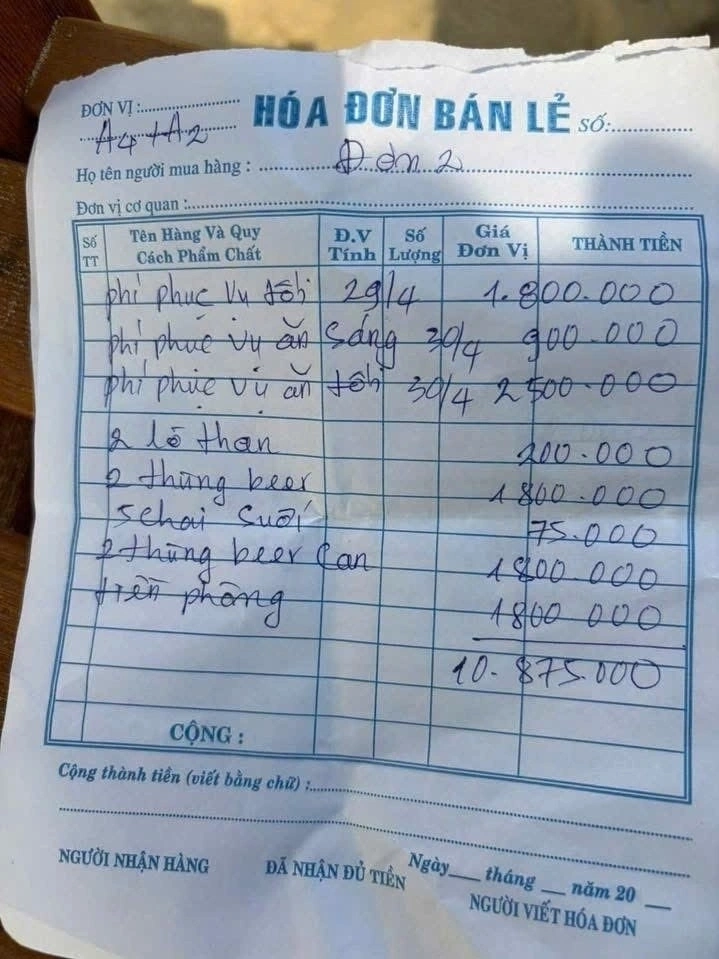
Contrary to Ms. Lan's experience, many cases of "price gouging" still occur at popular tourist spots during peak seasons. The most recent one was a tour groupHotel guestsThe service fee is too high and the price is not transparent in Sông Cầu ward, Đắk Lắk.
After the competent authorities conducted an inspection, the accommodation facility was found to have violated the regulations on price transparency under the 2023 Price Law and the regulations set forth in Decree No. 87 dated July 12, 2024, issued by the Government. The estimated fine is 1.5 million VND for the violation of not displaying service prices as required.
Mr. Tran Tuong Huy, Vice Director of the Social Tourism Research Institute, stated that tourism culture has not kept up with the development speed of the industry, making "price gouging" a systemic issue.
According to Mr. Huy, the characteristics of the season lead sellers to have a "seize the moment" mentality, while tourists usually easily accept it due to the scarcity of services during peak season.
In reality, in Vietnam, public holidays usually concentrate on certain short periods, causing local overcrowding. According to data from the Tourism Department, the number of domestic tourists during public holidays often increases by 30-50% compared to regular days, providing opportunities for small businesses to adopt a "quick profit" mindset.
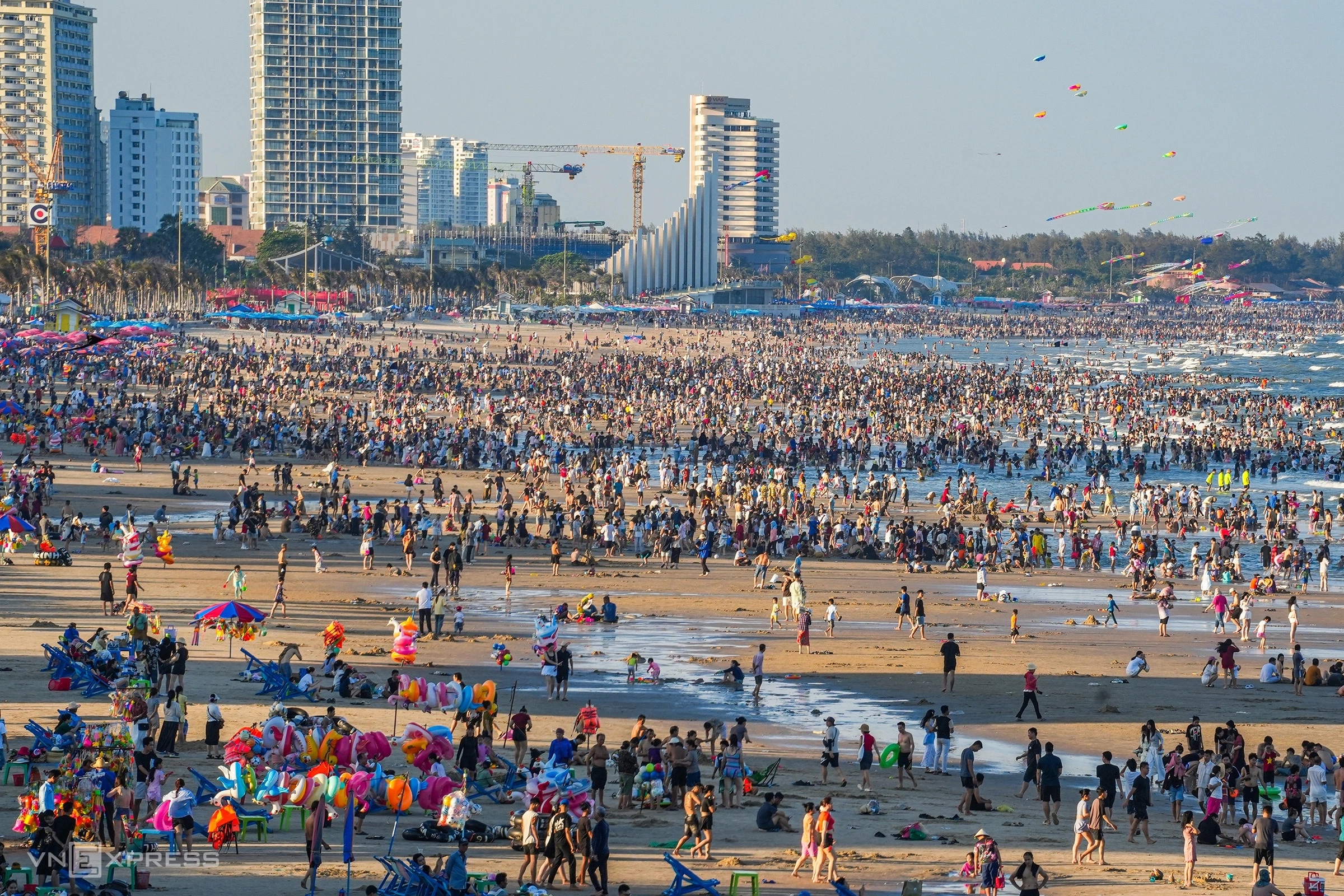
The lack of a professional service culture and relaxed local supervision are also major causes.
Many places have not attached enough importance to price listing or lack inspection forces, and have insufficient penalties to deter violations. The application of technology for receiving complaints is slow, making it difficult for tourists to protect their rights. Mr. Huy emphasized that this issue can only be resolved through reasonable distribution of tourist flows and the implementation of civilized behavior guidelines for each business household.
In agreement, Mr. Nguyen Tien Dat, CEO of AZA Travel, stated that the boundary between reasonable price increases and "price gouging" lies in transparency. According to Mr. Dat, labor and material costs during holidays may cause prices to rise by 12-20%, but doubling the price is a sign of exploitation. "Customers need full information about prices and corresponding quality before using the service," Mr. Dat said.
Mr. Dat also pointed out the loopholes in the responsibility hierarchy. Currently, hotels and restaurants are under the management of the tourism area management board, but price display is managed by the Market Management department under the Department of Industry and Trade, while tourist transportation such as taxis and motorbike taxis fall under the jurisdiction of the Department of Construction. This fragmentation leads to a mentality of shirking responsibility when incidents occur. To address this, many developed tourism countries like Thailand have established Tourism Police - a specialized force with authority to quickly handle violations related to prices and security in key tourism areas.
In Ho Chi Minh City, the authorities are closely following the decentralization and diversification of reporting channels. Mr. Le Truong Hien Hoa, Deputy Director of the Ho Chi Minh City Department of Tourism, said the city operates a multi-channel system including a hotline, chatbot, and VNeID application. Information from these channels is immediately forwarded to local authorities to quickly unify handling plans. Before each holiday, the Department of Tourism sends promotional documents and price supervision messages to every commune, ward, and special area.
From the business perspective, Mr. Vu Chu Dinh Trung, representative of Pho 2000 restaurant in Ho Chi Minh City, said that the restaurant often receives MICE groups of hundreds of people but always sells at the official price and does not charge extra fees.
During the peak season, the shop proactively works with travel agencies several months in advance to prepare staff and food supplies, avoiding overload or additional costs. According to Mr. Trung, "price gouging" behaviors may occur at small individual establishments, but they can have a significant impact on the entire service supply chain in the area.
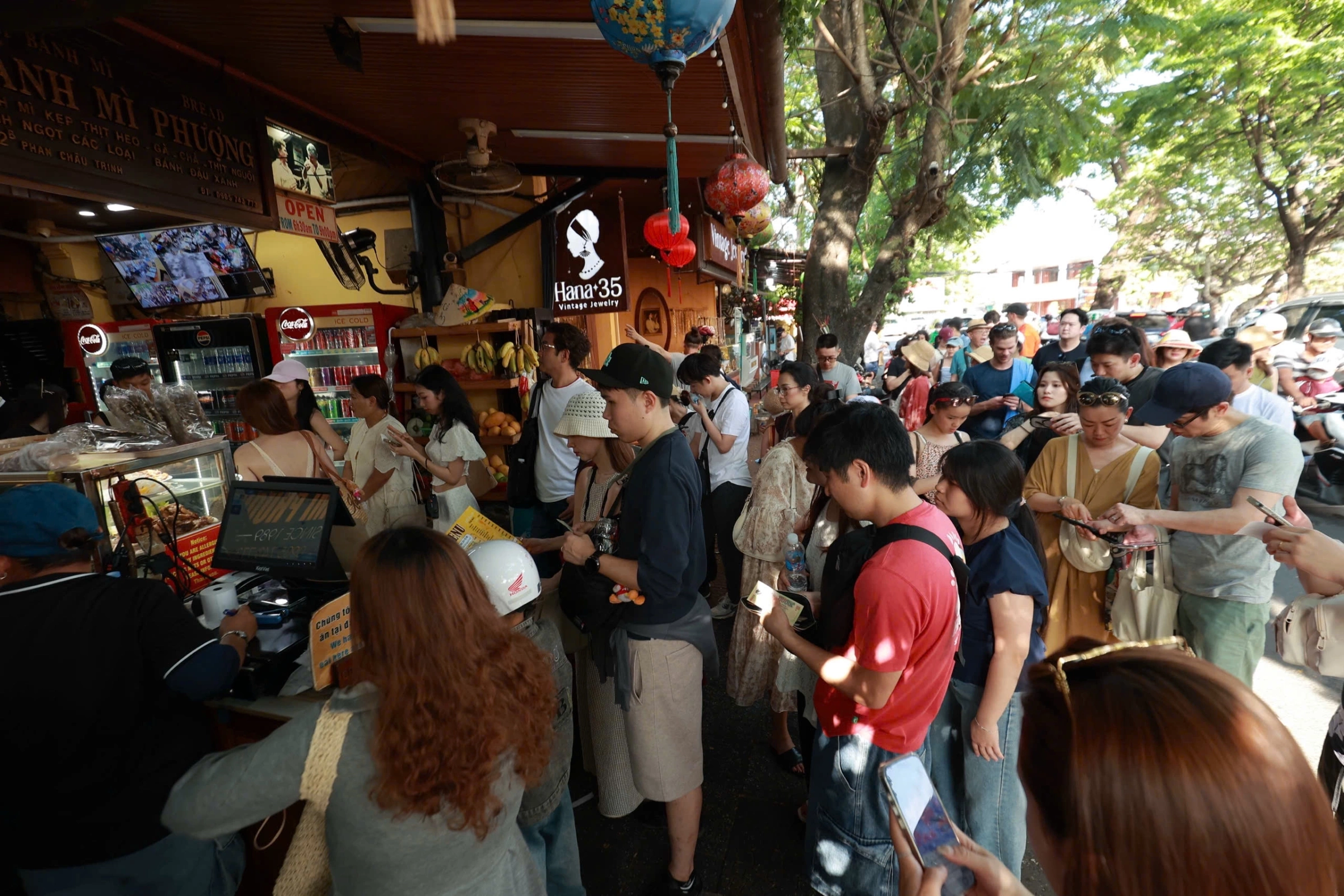
To eliminate this issue, Mr. Nguyen Tien Dat proposed increasing the penalties, imposing fines many times the amount of profit gained.Suspend operations for 1-6 monthsor revoke the business license to ensure sufficient deterrence.
Hotline warning signs need to be displayed in multiple languages at easily visible locations to assist international visitors. According to statistics from the International Tourism Organization, only about 10% of tourists encounter problems when reporting through the hotline due to complicated procedures. Simplifying the online complaint process will help authorities obtain data for more thorough handling.
Mr. Tran Tuong Huy warned that the imbalance between prices and quality causes significant damage to the destination brand. When tourists pay high prices but receive poor service, they will not return.
"In the era of social media, a negative image can quickly spread and destroy the efforts to build the local image," Mr. Huy stated.
To avoid risks, tourists are advised to obtain information in advance, prioritize reputable establishments, and clarify service prices before using them. Localities should establish a list of "trusted destinations" that is regularly updated on the official website to help tourists select services.
Bich Phuong
Read the original article atthis.

Post a Comment for "What is the way to prevent 'price gouging' during the peak tourist season?"
Post a Comment