Vietnamese Traditional Houses: A Journey Through Architecture and Soul

Vietnamese Traditional Houses: A Journey Through Architecture and Soul
Hey friend! Ever been totally captivated by a place, not just for its sights, but for the feeling it evokes? That's how I feel about Vietnamese traditional houses. They're not just buildings; they're living stories, whispers from generations past, meticulously crafted into wood, tile, and memories. Let's embark on a journey together to explore the heart and soul of Vietnamese traditional houses, unraveling the secrets of their architecture and design.
The Soul of Vietnamese Architecture: Harmony and Tradition

For centuries, Vietnamese architecture has been deeply intertwined with the country's cultural values, beliefs, and connection to nature. Think of it as a physical manifestation of the Vietnamese soul – prioritizing harmony, balance, and respect for the environment. These aren't just pretty structures; they're reflections of a philosophy. You'll see elements borrowed from Chinese architecture and other influences, but distinctively shaped by the local climate, resources, and the Vietnamese way of life.
Tradition dictates a lot, especially in rural areas. Family ties are paramount, and houses are often designed to accommodate extended families, emphasizing communal living and intergenerational connections. This emphasis is immediately apparent in the layout and the flow of spaces within these homes.
Decoding the Designs: Regional Variations in Vietnamese Homes

Now, here's where things get interesting. Vietnam is a long, diverse country, and just like its cuisine, its architecture boasts regional variations. What you see in the north will be drastically different from a house in the south. Let's take a peek at some key regional differences:
1. Northern Vietnam: The Elegance of the Kinh House
Up in the North, you'll find the Kinh house, the quintessential Vietnamese traditional house. These are usually built with:
a. Mud brick walls: These offer excellent insulation against the chilly winters and hot summers, making the homes incredibly comfortable year-round.
b. Red tiled roofs: These iconic roofs are not just aesthetically pleasing; they also efficiently shed rainwater and provide shade.
c. Wooden frames: Intricate carvings adorn the wooden frames, showcasing the skill of local artisans and adding a touch of elegance. These carvings often depict scenes from nature, folklore, or historical events.
d. A central courtyard: This creates a sense of privacy and provides a space for family activities, like drying rice or simply relaxing. It's a place of gathering and connection.
2. Central Vietnam: Adapting to the Elements
Moving to Central Vietnam, you'll notice that houses are built to withstand the region's harsh weather conditions, including typhoons and floods. Features here include:
a. Stronger foundations: Essential for stability in the face of strong winds and potential flooding.
b. Thicker walls: Offering enhanced protection against the elements.
c. Higher elevation: Raising the living space above ground level to minimize flood damage.
d. Smaller windows: To reduce exposure to strong winds and intense sunlight.
3. Southern Vietnam: Embracing the Waterways
The Mekong Delta in Southern Vietnam is a world of waterways, and houses here are adapted to this watery landscape. Expect to see:
a. Houses on stilts: Protecting them from flooding and allowing for ventilation beneath the house. It's a practical and ingenious solution.
b. Lightweight materials: Bamboo and thatch are commonly used for walls and roofs, making the structures easier to build and maintain.
c. Open floor plans: Encouraging natural ventilation and creating a sense of spaciousness, perfect for the warm, humid climate.
d. Verandas: Extended platforms that allow people to relax, socialize, and enjoy the scenic waterways. Imagine sitting there, sipping tea, and watching the boats go by!
The Materials of Tradition: Wood, Tile, and Bamboo

The materials used in Vietnamese traditional houses are intrinsically linked to the environment. Think of it as a harmonious relationship between the home and its surroundings. Let's delve deeper:
1. Wood: The Heart of the Home
Wood is the most cherished material. It's not just used for structural support; it's also used for intricate carvings and decorative elements. Different types of wood are valued for their durability, beauty, and symbolic meaning. Ironwood, for instance, is highly prized for its strength and resistance to termites. The choice of wood often reflects the family's wealth and social standing.
2. Tile: Protection and Beauty
Red clay tiles are a signature feature of Vietnamese roofs. They not only provide excellent protection from the elements but also add a distinctive aesthetic appeal. The process of making these tiles is a traditional craft, passed down through generations. The color and shape of the tiles can vary slightly depending on the region, adding a touch of local flavor.
3. Bamboo: The Versatile Wonder
Bamboo is an incredibly versatile and sustainable material that's widely used in Southern Vietnam, especially in areas near the Mekong Delta. It's lightweight, strong, and readily available, making it ideal for walls, floors, and even furniture. Bamboo also adds a natural, rustic charm to the homes. Imagine the gentle sway of bamboo in the breeze – it brings a sense of peace and tranquility.
The Interior World: Space and Symbolism

The interior layout of a Vietnamese traditional house is just as significant as its exterior design. Space is carefully allocated according to family hierarchy and social customs. Each room serves a specific purpose, and the arrangement is often dictated by ancestral beliefs and spiritual practices.
1. The Altar: Honoring Ancestors
The altar is the focal point of the house, a sacred space dedicated to the family's ancestors. It's a place of reverence and remembrance, where family members pay their respects and seek guidance from their forebears. The altar is usually placed in the most prominent position in the house, often in the central room. It's adorned with incense burners, candles, and offerings of food and flowers.
2. The Living Room: A Gathering Place
The living room is the heart of the home, where family members gather to socialize, relax, and entertain guests. It's a space for connection and community. The furniture is typically simple and functional, often made of wood or bamboo. The walls may be decorated with family photos, calligraphy, or paintings depicting scenes from Vietnamese culture. It's a space filled with stories and laughter.
3. The Kitchen: The Heart of the Hearth
The kitchen is the domain of the women in the family, where meals are prepared and traditions are passed down from one generation to the next. It's a place of warmth and nourishment. The traditional kitchen is often equipped with a wood-fired stove, a simple but efficient way of cooking. The aroma of simmering broths and fragrant spices fills the air, creating a welcoming and comforting atmosphere.
Feng Shui in Vietnamese Homes: Balancing Energy

The principles of Feng Shui (called "Phong Thuy" in Vietnamese) play a significant role in the design and layout of Vietnamese traditional houses. The goal is to create a harmonious environment that promotes good health, prosperity, and well-being. This ancient art focuses on the flow of energy and how it interacts with the environment. Here's how it's applied:
1. Orientation: Facing the Right Direction
The orientation of the house is crucial. Ideally, the house should face a direction that aligns with the owner's birth year and personal energy. This is believed to bring good fortune and protect the family from negative influences. The front door, in particular, is carefully positioned to attract positive energy into the home.
2. Balancing Elements: Water, Wood, Fire, Earth, and Metal
The five elements – water, wood, fire, earth, and metal – are carefully balanced within the house. Each element represents a different aspect of life, and their harmonious interaction is essential for creating a positive environment. For example, water features, such as fountains or ponds, are often incorporated to bring wealth and prosperity. Wood elements, such as furniture and plants, represent growth and vitality. Fire elements, such as candles and fireplaces, bring warmth and passion.
3. Clearing Clutter: Creating Space for Positive Energy
Clutter is seen as a blockage to positive energy, so it's important to keep the house clean and organized. Unnecessary items are removed, and each object is given its proper place. This creates a sense of spaciousness and allows energy to flow freely throughout the house. A clean and organized home is believed to promote clarity, focus, and overall well-being.
The Future of Tradition: Preserving Heritage in a Modern World

As Vietnam modernizes, there's a growing concern about preserving the country's architectural heritage. Traditional houses are being replaced by modern buildings, and the skills of traditional artisans are slowly disappearing. However, there's also a growing awareness of the importance of preserving these cultural treasures for future generations. This is where you and I can help too! Some of the methods of preservation include:
1. Restoration Projects: Breathing New Life into Old Homes
Restoration projects are underway to restore and preserve traditional houses, ensuring that they remain a vital part of Vietnam's cultural landscape. These projects often involve skilled artisans who use traditional techniques and materials to repair and rebuild the houses. The goal is to preserve the authenticity of the buildings while making them suitable for modern living.
2. Ecotourism: Supporting Local Communities
Ecotourism initiatives are helping to promote traditional villages and support local communities. Tourists are encouraged to stay in traditional houses, learn about local customs, and purchase handicrafts from local artisans. This provides a sustainable source of income for the communities and helps to preserve their cultural heritage.
3. Modern Adaptations: Blending Tradition and Innovation
Architects and designers are finding innovative ways to blend traditional architectural elements with modern design principles. This allows for the creation of contemporary homes that still reflect Vietnam's cultural heritage. For instance, a modern house might incorporate a traditional red-tiled roof or a courtyard design. This approach ensures that traditional architecture remains relevant and vibrant in the modern world.
Your Own Journey: Experiencing Vietnamese Architecture Firsthand
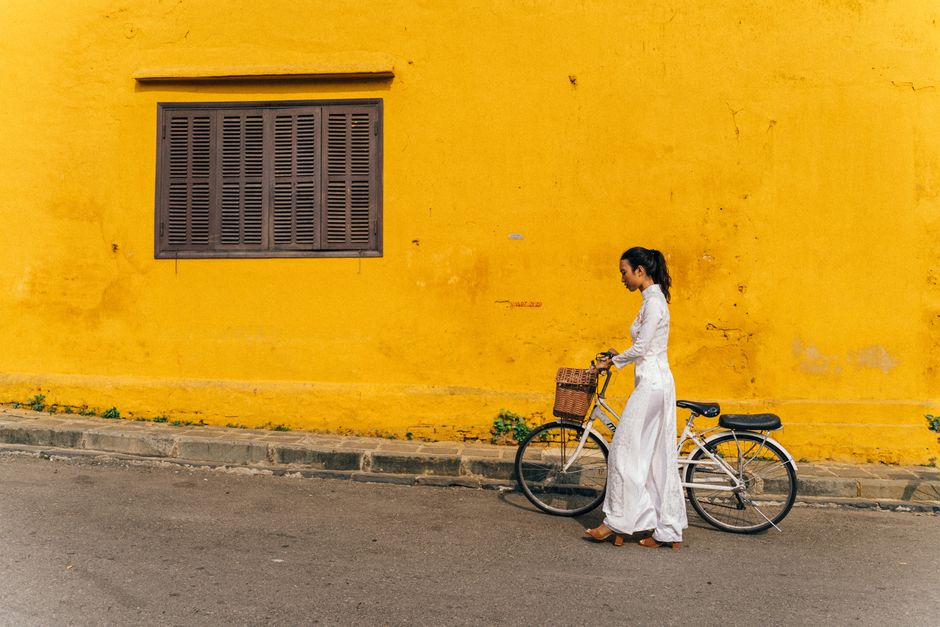
The best way to truly appreciate the beauty and significance of Vietnamese traditional houses is to experience them firsthand. Visit Vietnam, explore the different regions, and immerse yourself in the local culture. Stay in a traditional homestay, talk to the locals, and learn about their way of life. You'll gain a deeper understanding of the rich history and cultural values that are embodied in these remarkable homes.
And there you have it – a glimpse into the captivating world of Vietnamese traditional houses. I hope this journey has inspired you to appreciate the beauty, history, and cultural significance of these remarkable structures. They are more than just buildings; they are living testaments to Vietnam's rich heritage, whispering stories of the past and paving the way for a future that honors tradition while embracing innovation. So, next time you see a picture of a Vietnamese house, remember the story behind it, and maybe, just maybe, you'll feel a little closer to the soul of Vietnam.

Post a Comment for "Vietnamese Traditional Houses: A Journey Through Architecture and Soul"
Post a Comment