The Majestic Dragon: Unveiling its Symbolism and Legends in Vietnamese Culture

The Majestic Dragon: Unveiling its Symbolism and Legends in Vietnamese Culture
Hey there! Have you ever been utterly captivated by a creature, not real, but so deeply ingrained in a culture that it feels almost tangible? For me, that creature is the Vietnamese dragon – the Rồng. It's more than just a mythical beast; it's woven into the very fabric of Vietnamese identity, history, and art. Today, I want to share my fascination and knowledge about this majestic symbol, exploring its rich symbolism and the captivating legends that surround it.
The Dragon's Historical Roots in Vietnam
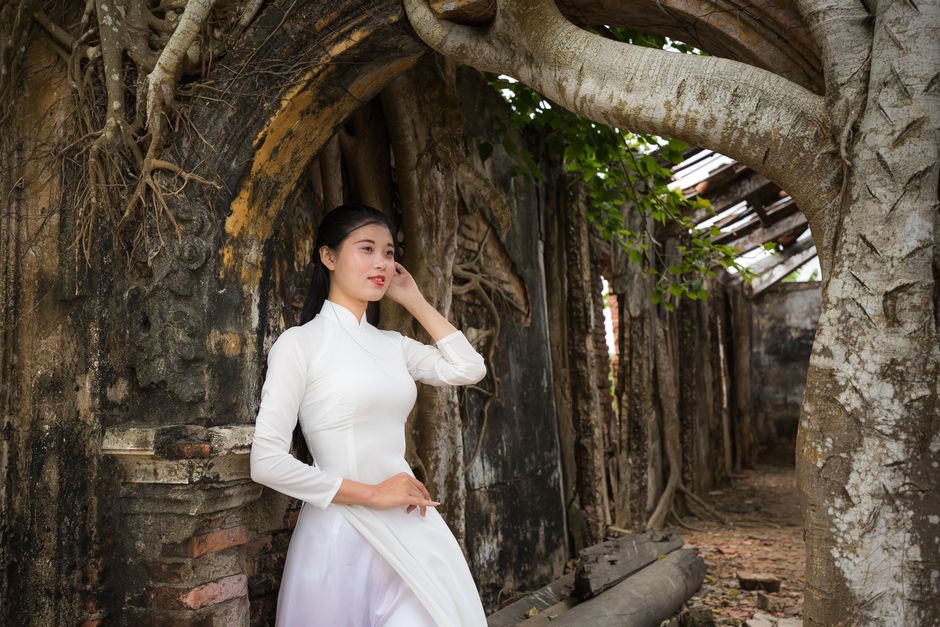
Our journey begins way back in Vietnamese history. The dragon's presence isn't a recent phenomenon; it's an ancient legacy, predating even written records. The dragon's influence likely came from China, but Vietnam quickly adapted and transformed the dragon into something distinctly its own. It intertwined with local beliefs and evolved to mirror the unique Vietnamese perspective on power, prosperity, and the natural world.
Think about it: Vietnam has a long and complex history of interactions with China. Cultural exchange was inevitable, and the dragon was part of that. But instead of simply copying the Chinese dragon, Vietnamese artisans and storytellers infused it with their own spirit and values.
Early Vietnamese rulers often associated themselves with dragons, claiming descent from dragon ancestors. This legitimized their rule and connected them to a mythical lineage, bolstering their power and influence. The dragon became a symbol of imperial authority and divine right. Legend has it that Lạc Long Quân, the Dragon Lord, married Âu Cơ, a fairy, and from their union came the Hung Kings, the founders of the Vietnamese nation. This powerful creation myth cements the dragon's role as a primal ancestor.
Decoding the Symbolism of the Vietnamese Dragon
So, what does the Vietnamese dragon actually represent? It's not a simple answer, because its symbolism is multifaceted and profound. Here are some of the key interpretations:
- Power and Nobility: The dragon embodies supreme power, often associated with emperors and royalty. It signifies strength, leadership, and the ability to command respect.
- Good Fortune and Prosperity: In Vietnamese culture, the dragon is a bringer of good luck, wealth, and abundance. Its image is frequently used in business settings to attract prosperity.
- Wisdom and Intelligence: The dragon isn't just about brute force; it also represents wisdom, intelligence, and foresight. It's seen as a wise and benevolent creature.
- Rain and Fertility: As an agrarian society, Vietnam has always been deeply connected to the cycles of nature. The dragon, often associated with water and the sky, is believed to control rainfall and ensure fertile harvests.
- Male Yang Energy: In the yin and yang balance, the dragon represents the male principle – yang. It complements the female principle of yin, often represented by the phoenix, creating a harmonious duality.
These layers of symbolism make the dragon a truly powerful and resonant image. It's not just a pretty picture; it's a distillation of Vietnamese values and beliefs.
Key Features of the Vietnamese Dragon: Distinguishing Itself

While influenced by Chinese dragon imagery, the Vietnamese dragon developed unique characteristics. Here are some key differences and distinguishing features:
- The Body: The Vietnamese dragon usually has a long, serpentine body, but it's often more fluid and graceful than its Chinese counterpart.
- The Head: The head is typically adorned with intricate details, including a beard, whiskers, and flowing mane. The eyes are often large and expressive.
- The Claws: Unlike the Chinese dragon, which often has five claws, the Vietnamese dragon typically has four or five claws, depending on the dynasty and region. The number of claws often indicated rank and power.
- The Mane and Scales: The scales are usually more detailed and elaborate than those of the Chinese dragon. The mane is often depicted as flowing and dynamic, creating a sense of movement.
- The Colors: While gold is a common color for dragons associated with royalty, Vietnamese dragons can also be depicted in other colors, such as green, blue, and red, each carrying its own specific symbolism.
These details might seem small, but they contribute to the unique aesthetic of the Vietnamese dragon. It's a creature that feels both familiar and distinctly Vietnamese.
Legends and Stories: Bringing the Dragon to Life

Now, let's delve into some of the captivating legends that bring the Vietnamese dragon to life. These stories are more than just entertainment; they offer insights into the cultural values and beliefs that shape Vietnamese society.
The Legend of Lạc Long Quân and Âu Cơ
I mentioned this earlier, but it's so central to Vietnamese identity that it deserves a closer look. Lạc Long Quân, the Dragon Lord of the Sea, and Âu Cơ, a fairy, fell in love and had one hundred eggs, from which hatched one hundred sons. Eventually, they decided to part ways, with fifty sons following their mother to the mountains and fifty sons following their father to the sea. This legend explains the origins of the Vietnamese people and reinforces the connection between the land and the sea, and the importance of unity and brotherhood.
This story is not just a creation myth; it's a foundational narrative that binds the Vietnamese people together. It emphasizes the importance of family, community, and a shared ancestry.
The Dragon in Ha Long Bay
Have you ever seen pictures of Ha Long Bay? It's breathtaking! According to legend, the islands and limestone karsts of Ha Long Bay were created by a dragon sent by the Jade Emperor to help the Vietnamese fight invaders. The dragon spat out jewels and jade, which transformed into the islands and formed a natural barrier against the enemy. This legend explains the stunning landscape of Ha Long Bay and celebrates the dragon's role as a protector of Vietnam.
This legend transforms a natural wonder into a testament to the dragon's power and benevolence. It highlights the dragon's willingness to defend Vietnam and its people.
The Dragon Kings
Vietnamese folklore also features various Dragon Kings, powerful deities who rule over the oceans and rivers. These Dragon Kings are often depicted as benevolent rulers who control the weather and ensure the safety of sailors and fishermen. They are revered and respected, and offerings are made to them to ensure good fortune and protection.
These Dragon Kings represent the connection between the Vietnamese people and the sea. They are guardians of the waterways and symbols of maritime prosperity.
The Dragon in Art and Architecture

The dragon's influence extends far beyond legends and stories. It's a ubiquitous motif in Vietnamese art and architecture, adorning temples, palaces, and even everyday objects. Let's explore some of the ways the dragon is represented in these forms:
- Temple Decorations: Dragons are frequently found on the roofs, pillars, and altars of temples. They symbolize protection, power, and the connection to the divine.
- Palace Architecture: In imperial palaces, dragons are used extensively to symbolize the emperor's authority and divine right. They can be found carved into pillars, painted on ceilings, and woven into tapestries.
- Ceramic Arts: Dragons are a popular motif in Vietnamese ceramics, adorning vases, bowls, and other decorative objects. These depictions often showcase the dragon's grace and beauty.
- Embroidery and Textiles: Dragons are frequently embroidered onto traditional Vietnamese clothing, such as the áo dài. These embroideries are often intricate and detailed, showcasing the dragon's symbolic significance.
The dragon's presence in art and architecture reinforces its importance in Vietnamese culture. It's a constant reminder of the dragon's power, wisdom, and benevolence.
The Dragon in Modern Vietnam

Even in modern Vietnam, the dragon continues to hold a significant place in the hearts and minds of the people. While the imperial system is long gone, the dragon's symbolism remains relevant and powerful.
- Festivals and Celebrations: The dragon is often featured in traditional festivals and celebrations, such as the Lunar New Year (Tết). Dragon dances are a common sight, bringing good luck and prosperity for the coming year.
- Business and Commerce: Many businesses in Vietnam incorporate the dragon into their logos and branding. It's believed to attract good fortune and success.
- Popular Culture: The dragon continues to inspire artists, writers, and filmmakers in Vietnam. It appears in movies, books, and video games, ensuring its continued relevance for future generations.
- Personal Symbolism: Many Vietnamese people choose to wear dragon-themed jewelry or decorate their homes with dragon imagery. It's a way to connect with their heritage and embrace the positive qualities associated with the dragon.
The dragon's enduring presence in modern Vietnam is a testament to its cultural significance. It's a symbol that transcends generations and continues to inspire and empower the Vietnamese people.
Why the Dragon Still Matters Today

So, why does this mythical creature, this Rồng, still resonate so deeply in Vietnamese culture? I think it's because it represents something fundamental about the Vietnamese spirit: a connection to the past, a belief in the power of good fortune, and an unwavering hope for a prosperous future.
The dragon embodies the strength and resilience that have allowed Vietnam to overcome countless challenges throughout its history. It's a reminder of the country's rich cultural heritage and a symbol of national pride.
For me, learning about the Vietnamese dragon has been a journey of discovery. It's opened my eyes to the richness and complexity of Vietnamese culture and deepened my appreciation for its unique artistic traditions.
I hope this exploration of the Vietnamese dragon has sparked your own curiosity and appreciation for this magnificent creature. It's a symbol that deserves to be celebrated and cherished for generations to come.

Post a Comment for "The Majestic Dragon: Unveiling its Symbolism and Legends in Vietnamese Culture"
Post a Comment