Learning to Haggle Like a Pro: Your Guide to Bargaining in Vietnamese Markets

Learning to Haggle Like a Pro: Your Guide to Bargaining in Vietnamese Markets
Okay, friend, let's talk about Vietnamese markets! Picture this: vibrant colours exploding everywhere, the air thick with the aroma of spices and freshly brewed coffee, and a cacophony of sounds that somehow, magically, blend into a beautiful, chaotic symphony. Stepping into a Vietnamese market is an experience for the senses, a deep dive into the heart of Vietnamese culture. But here's the thing, if you're anything like I was on my first trip, you might feel a bit... overwhelmed. And potentially ripped off. But don't worry! I'm here to share my hard-earned wisdom (and a few embarrassing stories) on how to navigate the art of bargaining in Vietnamese markets and come out feeling like a savvy local.
Why Bargaining is Part of the Experience
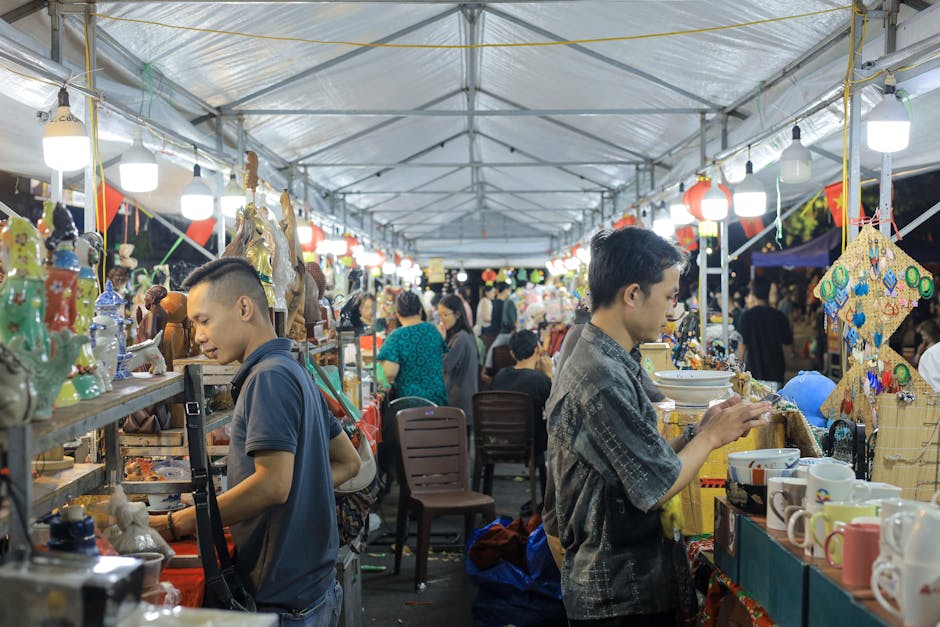
First, let's address the elephant in the room: why bargain at all? Isn't it rude? Well, no, not really. In fact, in many Vietnamese markets, bargaining is expected. It's part of the fun, a cultural dance between buyer and seller. Think of it less as trying to cheat someone and more as participating in a friendly negotiation. Sellers often inflate their initial prices, knowing that buyers will haggle. If you simply pay the first price offered, you're likely paying significantly more than you should, and honestly, you're missing out on a unique cultural interaction. It's not about being cheap; it's about playing the game.
And trust me, once you get the hang of it, it's actually quite enjoyable! It's a chance to connect with the local vendors, learn a few Vietnamese phrases, and experience a slice of everyday life. Plus, who doesn't love getting a good deal?
Preparing for Battle (The Fun Kind!)

Before you even step foot inside the market, a little preparation can go a long way. It's like gearing up for an adventure – you want to be ready!
- Do Your Research: Figure out the general price range for the items you're interested in. A quick Google search or asking at your hotel can give you a good starting point. Knowing what things should cost prevents you from being grossly overcharged right from the get-go.
- Dress Appropriately: While you don't need to dress formally, avoid looking overly wealthy. Flashing expensive jewelry or watches can signal that you're willing to pay more. I usually opt for comfortable, casual clothes that blend in with the crowd.
- Have Small Bills: Avoid using large denominations. Sellers might claim they don't have change, forcing you to buy more or accept an unfavorable exchange rate. Having a stash of smaller bills gives you more control over the transaction.
- Learn a Few Basic Phrases: Even a few simple Vietnamese phrases can make a huge difference. "Bao nhiêu?" (How much?) and "Đắt quá!" (Too expensive!) are essential. Even better, learn "mắc quá" which is the southern dialect equivalent of too expensive and more commonly understood in places like Ho Chi Minh City. A friendly "Xin chào" (Hello) before starting negotiations can also go a long way in building rapport.
- Practice Your Poker Face: This is crucial! Even if you absolutely adore that silk scarf, try not to show it. Exuding an air of casual interest will give you a significant advantage. Act like you're willing to walk away (even if you're not!)
The Art of the Haggle: Step-by-Step

Alright, let's get down to the nitty-gritty. Here's my tried-and-true method for bargaining in Vietnamese markets:
- The Initial Inquiry: Start by casually asking the price: "Bao nhiêu?". Listen carefully to the response. This is their opening offer, and it's likely inflated.
- The Shocked Face (Optional, but Effective): This is where that poker face comes in handy. Even if you anticipated the high price, feign surprise. A slight gasp or a raised eyebrow can subtly signal that you're not impressed.
- The Counteroffer: Now it's your turn. Offer a price that's significantly lower than their asking price – often around 30-50% lower, depending on the item and the perceived "rip-off" factor. Don't be afraid to go low! They expect it.
- The Negotiation Dance: This is where the fun begins. The seller will likely counter with a lower price, but still higher than your offer. This is your opportunity to engage in a bit of back-and-forth. Use phrases like "Đắt quá!" (Too expensive!) or politely shake your head.
- The Walk Away: This is a classic bargaining technique. If you're not happy with the price, start to walk away. Often, the seller will call you back and offer a lower price. This shows them you're serious and that you're not willing to be pushed around. It's worked for me countless times!
- The Compromise: If the seller doesn't call you back, it means they're firm on their price. You now have a choice: pay their price, or walk away. If you really want the item, consider meeting them somewhere in the middle – a compromise that works for both of you.
- The Final Price and the Smile: Once you've agreed on a price, pay with a smile and thank the seller ("Cảm ơn"). Even if you feel like you could have gotten a slightly better deal, remember that you're supporting their livelihood and contributing to the local economy. A friendly attitude goes a long way.
Advanced Bargaining Tactics (For the Seasoned Pro)

Once you've mastered the basics, you can start experimenting with some more advanced techniques:
- The Group Discount: If you're buying multiple items from the same vendor, ask for a discount. "If I buy two, can you give me a better price?"
- The Comparison Game: If you've seen the same item at a lower price elsewhere, mention it. "I saw this for less at another stall..." (Be careful not to outright lie, though! Honesty, even in bargaining, is appreciated).
- The "I Don't Really Need It" Approach: Act like you're not particularly interested in the item. This can weaken the seller's position and make them more willing to lower the price. "It's nice, but I'm not sure I really need it..."
- The Combo Deal: If you're buying something relatively expensive, try to bundle it with a smaller, cheaper item to get a better overall price. "I'll buy the silk scarf if you throw in this keychain for free."
Common Mistakes to Avoid (Learned the Hard Way!)
Over the years, I've made my fair share of bargaining blunders. Here are a few common mistakes to avoid:
- Getting Emotional: Don't get angry or aggressive. Bargaining should be a friendly negotiation, not a confrontation. Losing your cool will only make things worse.
- Being Greedy: Don't try to squeeze every last penny out of the seller. Remember, they're trying to make a living. Aim for a fair price, not the absolute lowest possible price.
- Bargaining Over Trivial Amounts: Is it really worth arguing over a few thousand dong (the Vietnamese currency – which is practically pennies in most Western currencies)? Sometimes, it's better to just pay the asking price and move on.
- Showing Your Hand Too Early: Don't reveal how much you're willing to pay upfront. Let the seller make the first offer.
- Feeling Guilty: Don't feel bad about bargaining! It's a common practice in Vietnamese markets, and vendors expect it. Just remember to be polite and respectful.
The Golden Rule: Be Respectful

Above all, remember to be respectful and friendly. A smile and a polite attitude can go a long way. Even if you don't get the price you want, thank the seller for their time. Remember, these are people trying to earn a living, and a little kindness can make a big difference.
I remember one time, I was trying to buy a beautiful hand-painted bowl at the Ben Thanh Market in Ho Chi Minh City. I haggled for a good 15 minutes, and we just couldn't agree on a price. Finally, I smiled, thanked the vendor for her time, and started to walk away. She stopped me, not to lower the price, but to offer me a cup of tea and a small mango! We ended up chatting for another half hour about her family and her craft. It was a reminder that sometimes, the human connection is more important than the bargain.
Beyond the Bargain: Embracing the Experience

Learning to bargain in Vietnamese markets is about more than just getting a good deal. It's about immersing yourself in the culture, connecting with the local people, and embracing the vibrant energy of the market. Don't be afraid to try new things, sample the local cuisine, and soak it all in. After all, that's what travelling is all about, right?
So, go forth, my friend, and conquer those Vietnamese markets! Armed with these tips and tricks, you'll be bargaining like a pro in no time. And remember, even if you don't get the absolute lowest price, you'll still be supporting the local economy and creating memories that will last a lifetime. Happy haggling!

Post a Comment for "Learning to Haggle Like a Pro: Your Guide to Bargaining in Vietnamese Markets"
Post a Comment