From Farm to Table: An Unforgettable Sustainable Food Tour in Vietnam

From Farm to Table: An Unforgettable Sustainable Food Tour in Vietnam
Hey there, fellow food lovers and travel enthusiasts! Have you ever dreamt of experiencing a culinary journey that not only tantalizes your taste buds but also leaves a positive impact on the local community and environment? Well, I'm here to tell you about my incredible "Farm to Table" adventure in Vietnam, a sustainable food tour that completely changed my perspective on food and travel.
Discovering the Heart of Vietnamese Cuisine
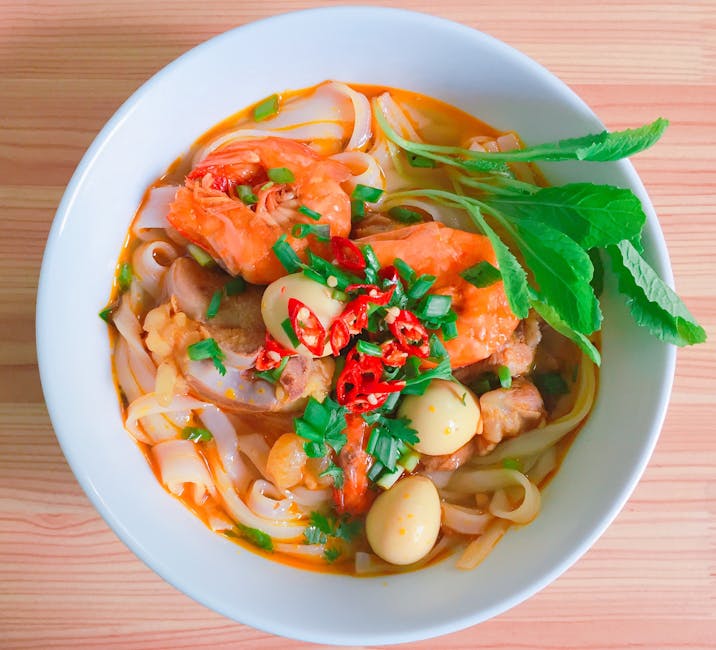
Vietnam, a land of vibrant culture, breathtaking landscapes, and, of course, mouthwatering food, has always been on my travel bucket list. But I wanted more than just a typical tourist experience. I yearned to connect with the people, understand their traditions, and learn about the origins of the dishes I was so eager to savor. That's when I stumbled upon the concept of sustainable food tours, and it felt like the perfect fit.
This wasn't just about eating delicious food; it was about understanding the journey of each ingredient, from the fertile fields where it was grown to the bustling markets where it was sold, and finally, to the skilled hands of the chefs who transformed them into culinary masterpieces. My tour focused on minimizing our environmental impact, supporting local farmers, and preserving traditional culinary practices. Intrigued? Let me share my experiences!
Embarking on the Farm-to-Table Adventure

My adventure began in the lush countryside of Northern Vietnam, a region renowned for its rice paddies, tea plantations, and vibrant agricultural communities. Forget the crowded city streets; this was a sensory explosion of fresh air, verdant landscapes, and the sounds of rural life. I joined a small group of like-minded travelers, and our guide, a passionate advocate for sustainable tourism, greeted us with a warm smile and an itinerary packed with exciting activities.
The first stop was a family-run organic farm nestled amidst the rice terraces. We were welcomed by the farmer, a kind and weathered man named Mr. Hai, who has been practicing traditional farming methods for generations. He shared his knowledge about rice cultivation, vegetable gardening, and the importance of preserving biodiversity. I learned that sustainable farming wasn't just a trend; it was a way of life, a deep respect for the land and its resources.
Hands-on Experience: Planting Rice and Harvesting Vegetables

No farm visit is complete without getting your hands dirty! We were invited to participate in planting rice seedlings in the flooded paddies, a task that proved to be far more challenging than I anticipated. The mud was thick and slippery, and I quickly realized the incredible amount of physical labor involved in rice farming. It gave me a newfound appreciation for the staple food that sustains so much of the world's population.
Next, we ventured into the vegetable garden, a colorful array of herbs, spices, and various greens. Mr. Hai showed us how to harvest different vegetables, explaining their medicinal properties and culinary uses. We picked fresh basil, mint, cilantro, and lemongrass, their aromatic scents filling the air. I was amazed by the variety of ingredients grown on the farm, all cultivated without the use of harmful chemicals or pesticides.
We learned about composting techniques and how to use natural fertilizers to enrich the soil. Mr. Hai emphasized the importance of crop rotation to prevent soil depletion and maintain its fertility. It was a fascinating lesson in ecological balance and the interconnectedness of all living things. This farm was a perfect example of how traditional methods can be combined with modern knowledge to create a truly sustainable food system.
Market Exploration: A Sensory Feast
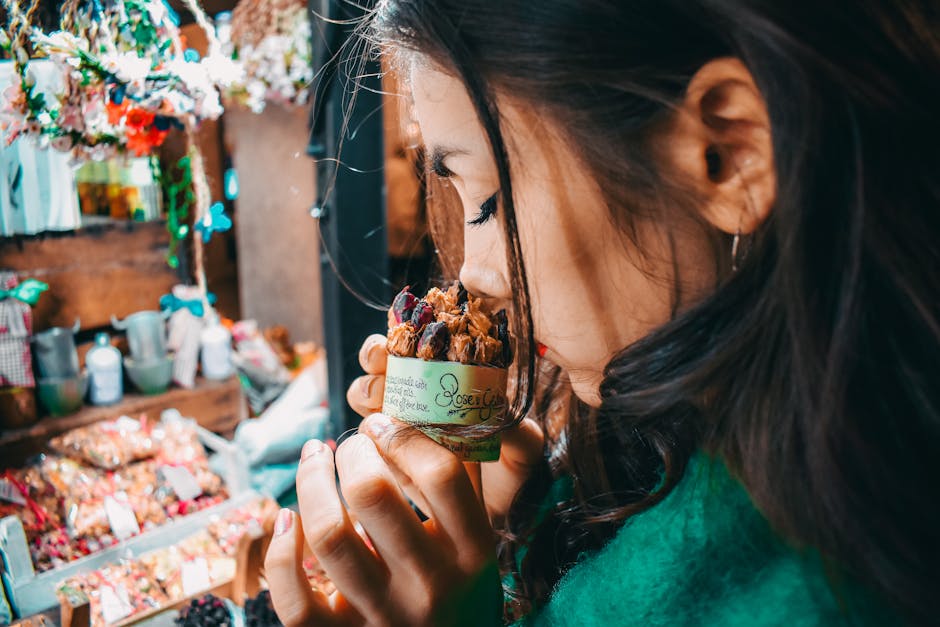
The next day, we traveled to a local market, a bustling hub of activity where farmers from surrounding villages gathered to sell their produce. It was a sensory overload of sights, sounds, and smells. From colorful fruits and vegetables to live poultry and freshly caught fish, the market offered a glimpse into the rich agricultural diversity of the region.
Our guide explained the different types of ingredients on display, sharing stories about their origins and traditional uses. We learned about the importance of supporting local farmers by purchasing directly from them, ensuring that they receive a fair price for their hard work. I purchased a variety of spices and herbs, eager to recreate the authentic Vietnamese flavors back home.
One of the most interesting discoveries was the variety of unusual fruits and vegetables I had never seen before. I tried durian for the first time (a love-it-or-hate-it experience!), tasted exotic mangoes, and learned about the health benefits of lesser-known herbs and spices. It was an eye-opening experience that broadened my culinary horizons.
Cooking Class: Mastering Vietnamese Flavors

The highlight of the tour was undoubtedly the cooking class. We were invited to a traditional Vietnamese home, where we met Mrs. Lan, a skilled home cook with a contagious passion for food. She guided us through the process of preparing several classic Vietnamese dishes, using the fresh ingredients we had gathered from the farm and market.
We learned how to make fresh spring rolls (Gỏi cuốn), a light and refreshing appetizer filled with rice noodles, herbs, vegetables, and shrimp. Mrs. Lan demonstrated the art of wrapping the rolls perfectly, sharing tips and tricks for achieving the right balance of flavors and textures. It was a hands-on experience that allowed us to connect with the cuisine on a deeper level.
Next, we prepared Pho (Phở), the iconic Vietnamese noodle soup. Mrs. Lan showed us how to make the flavorful broth, using beef bones, spices, and herbs. We learned about the importance of simmering the broth for hours to extract the maximum flavor. We then assembled the soup with rice noodles, sliced beef, fresh herbs, and a squeeze of lime juice. The aroma was heavenly, and the taste was even better!
Finally, we prepared Banh Xeo (Bánh xèo), a crispy Vietnamese crepe filled with shrimp, pork, bean sprouts, and vegetables. Mrs. Lan demonstrated the technique of pouring the batter into a hot pan and cooking it until golden brown and crispy. We learned how to fold the crepe and serve it with a dipping sauce made from fish sauce, lime juice, and chili peppers. It was a truly satisfying culinary experience.
Sustainable Practices: Minimizing Our Impact
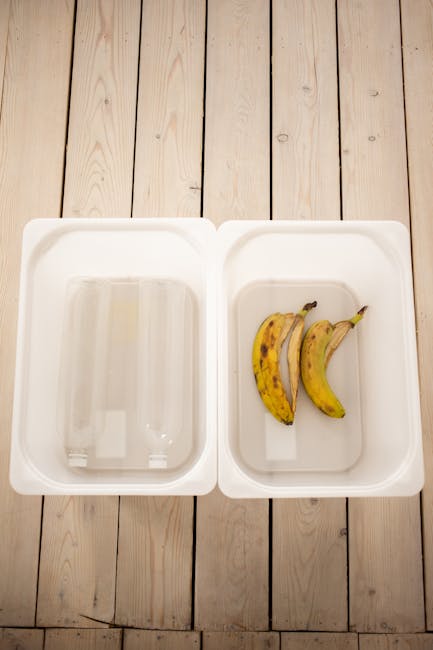
Throughout the tour, our guide emphasized the importance of sustainable practices. We were encouraged to minimize our waste by using reusable water bottles, avoiding single-use plastics, and supporting local businesses that prioritize environmental responsibility. We also learned about the challenges facing the Vietnamese agricultural sector, such as climate change, deforestation, and the overuse of pesticides.
The tour operator worked closely with local communities to ensure that the tourism activities benefited the local economy and preserved the cultural heritage of the region. We stayed in locally owned guesthouses, ate at family-run restaurants, and purchased handicrafts directly from artisans. It was a conscious effort to support sustainable tourism and contribute to the well-being of the local communities.
One of the initiatives that impressed me the most was the support for local farmers who practiced organic farming methods. By purchasing their produce directly, the tour operator provided them with a stable income and encouraged them to continue their sustainable practices. It was a win-win situation for both the farmers and the travelers, who got to enjoy fresh, healthy food while supporting a worthy cause.
Beyond the Food: Cultural Immersion
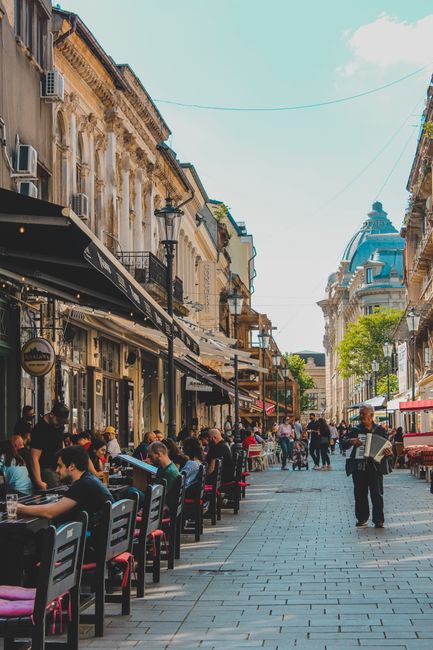
The "Farm to Table" tour was more than just a culinary experience; it was a cultural immersion that allowed me to connect with the Vietnamese people on a deeper level. We visited local temples, learned about traditional customs, and participated in cultural activities. I gained a newfound appreciation for the rich history and traditions of Vietnam.
We also had the opportunity to interact with local artisans, learning about their crafts and the traditional techniques they used. I purchased handwoven textiles, handcrafted pottery, and intricate wood carvings, supporting their livelihoods and preserving their cultural heritage. It was a meaningful way to contribute to the local economy and connect with the artistic traditions of the region.
One of the most memorable experiences was visiting a local school and interacting with the children. We learned about their education system, their hopes and dreams, and the challenges they faced. It was a humbling experience that reminded me of the importance of education and the need to support underprivileged communities.
Reflections: A Transformative Journey

As my "Farm to Table" adventure came to an end, I couldn't help but reflect on the transformative journey I had just experienced. It wasn't just a food tour; it was a journey of discovery, connection, and learning. I had gained a deeper understanding of Vietnamese cuisine, culture, and the importance of sustainable practices.
I left Vietnam with a renewed appreciation for the food I eat and the people who produce it. I realized that food is not just sustenance; it's a connection to the land, the culture, and the community. By supporting sustainable food systems, we can create a more just and equitable world for all.
Would I recommend a "Farm to Table" tour in Vietnam? Absolutely! It's an unforgettable experience that will tantalize your taste buds, broaden your horizons, and leave you with a lasting appreciation for the beauty and sustainability of Vietnamese culture. If you're looking for a travel experience that is both meaningful and delicious, look no further!
Planning Your Own Sustainable Food Tour

Inspired to embark on your own sustainable food tour in Vietnam? Here are some tips to help you plan your adventure:
- Research tour operators: Look for companies that prioritize sustainable practices, support local communities, and minimize their environmental impact. Read reviews and compare itineraries to find the best fit for your interests and budget.
- Choose your region: Vietnam offers a diverse range of culinary experiences, from the fertile Mekong Delta to the mountainous regions of the North. Select a region that aligns with your interests and offers opportunities to connect with local farmers and artisans.
- Consider the season: The best time to visit Vietnam depends on the region you're planning to explore. Research the weather patterns and choose a time that offers pleasant temperatures and minimal rainfall.
- Pack appropriately: Bring comfortable shoes, lightweight clothing, and a hat to protect yourself from the sun. Don't forget your reusable water bottle and a reusable shopping bag to minimize your waste.
- Be respectful: Remember that you're a guest in someone else's home. Be respectful of local customs, traditions, and beliefs. Learn a few basic Vietnamese phrases to show your appreciation for the local culture.
Delicious Dishes to try in Vietnam

These are some of the quintessential Vietnamese dishes you absolutely must try on your "Farm to Table" adventure:
- Pho (Phở): A classic Vietnamese noodle soup with flavorful broth, rice noodles, herbs, and meat (usually beef or chicken).
- Goi Cuon (Gỏi cuốn): Fresh spring rolls filled with rice noodles, herbs, vegetables, and shrimp or pork.
- Banh Mi (Bánh mì): A Vietnamese sandwich made with a baguette, pate, pickled vegetables, cilantro, and various meats.
- Bun Cha (Bún chả): Grilled pork served with rice noodles, herbs, and a dipping sauce.
- Cao Lau (Cao lầu): A regional noodle dish from Hoi An, made with thick noodles, pork, greens, and crispy croutons.
So, are you ready to embark on your own sustainable food adventure in Vietnam? Get ready to tantalize your taste buds, connect with the local culture, and make a positive impact on the environment. Bon appétit, or as they say in Vietnam, "Chúc ngon miệng!"

Post a Comment for "From Farm to Table: An Unforgettable Sustainable Food Tour in Vietnam"
Post a Comment