Exploring Vietnamese Street Food Stalls: A Sensory Overload You'll Never Forget

Exploring Vietnamese Street Food Stalls: A Sensory Overload You'll Never Forget
Okay, friend, let's talk about something near and dear to my heart (and stomach): Vietnamese street food! Forget fancy restaurants for a second. We're diving headfirst into the vibrant, chaotic, utterly delicious world of street food stalls in Vietnam. It's more than just a meal; it's an experience, a full-blown sensory overload that will leave you craving more long after you've left.
A Symphony of Sights, Sounds, and Smells

Imagine this: you're walking down a narrow street in Hanoi or Ho Chi Minh City. The air is thick with the aroma of sizzling lemongrass, fragrant herbs, and freshly brewed coffee. Scooters whiz by, their horns adding to the general cacophony. Colorful lanterns hang overhead, casting a warm glow on the bustling scene. Street vendors, each a culinary master in their own right, are busy chopping, stirring, and assembling their masterpieces right before your eyes.
That's the magic of Vietnamese street food. It's not just about the taste (though that's a HUGE part of it!), it's about the entire atmosphere. It's the sizzling sound of thịt nướng (grilled pork) hitting the charcoal, the clatter of chopsticks against bowls, the friendly chatter of locals sharing a meal. It's a vibrant tapestry of sights, sounds, and smells that will completely immerse you in the local culture.
Navigating the Street Food Scene: Where to Start?

Okay, so you're ready to jump in. But where do you even begin? The sheer variety of options can be overwhelming! Don't worry; I've been there. Here are a few tips to help you navigate the street food scene like a pro:
- Trust Your Gut (and Your Eyes): Look for stalls that are busy with locals. A long line is usually a good sign that the food is delicious and fresh. Also, observe the cleanliness of the stall. Are they using clean utensils? Is the food properly stored?
- Don't Be Afraid to Point and Smile: Language barriers can be tricky, but don't let them deter you! Point to what looks good, smile, and the vendor will usually understand. They are incredibly helpful and proud to share their food.
- Start Small: It's tempting to try everything at once, but pace yourself! Order small portions to sample different dishes. You can always go back for more of your favorites.
- Embrace the Experience: Don't be afraid to sit on a tiny plastic stool alongside the locals. That's part of the fun! Chat with your neighbors, ask them what they're eating, and learn a few Vietnamese phrases (xin chào - hello, cảm ơn - thank you).
Must-Try Dishes: A Culinary Adventure

Now, let's get to the good stuff: the food! Here are a few of my personal must-try dishes when exploring Vietnamese street food stalls:
- Phở (Noodle Soup): This is the quintessential Vietnamese dish, and for good reason. A flavorful broth, rice noodles, herbs, and your choice of meat (usually beef or chicken). Each stall has its own unique recipe, so be sure to try it in different places. Trust me, you'll find your favorite!
- Bún Chả (Grilled Pork with Noodles): Originating from Hanoi, this dish features grilled pork patties served in a savory broth with rice noodles, herbs, and pickled vegetables. It's often served with spring rolls, which you can dip in the sauce. It's sweet, savory, and utterly addictive.
- Bánh Mì (Vietnamese Sandwich): A crispy baguette filled with pâté, mayonnaise, pickled vegetables, cilantro, chili, and your choice of meat (usually grilled pork or chicken). It's a perfect example of the fusion of French and Vietnamese cuisine. Every bite is an explosion of flavor and texture.
- Gỏi Cuốn (Fresh Spring Rolls): Light and refreshing, these rolls are filled with rice noodles, shrimp, pork, herbs, and vegetables, all wrapped in translucent rice paper. They're typically served with a peanut dipping sauce. A perfect healthy and delicious snack.
- Bánh Xèo (Sizzling Crepes): These crispy, savory crepes are made with rice flour, coconut milk, and turmeric, and filled with shrimp, pork, bean sprouts, and onions. They're typically served with fresh herbs and a dipping sauce. The sizzling sound as they cook is music to my ears!
- Cơm Tấm (Broken Rice): This popular dish features broken rice grains served with grilled pork chops, shredded pork skin, a fried egg, and pickled vegetables. It's a hearty and satisfying meal.
- Chè (Sweet Soup): A diverse category of sweet desserts, often made with beans, tapioca pearls, coconut milk, and fruit. It's the perfect way to cool down on a hot day.
- Cà Phê Trứng (Egg Coffee): A Hanoi specialty, this drink is made with strong coffee topped with a frothy, sweet egg yolk cream. It sounds strange, but it's surprisingly delicious and decadent. Imagine a liquid tiramisu!
Beyond the Food: Connecting with the Culture
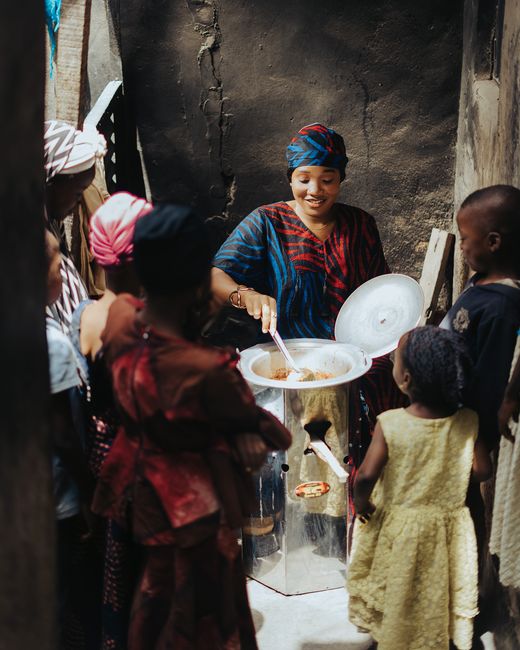
For me, the appeal of Vietnamese street food extends beyond just the deliciousness of the dishes. It's a window into the heart of Vietnamese culture, a chance to connect with the people and learn about their traditions.
I remember one time in Hoi An, I was struggling to order a bowl of Cao Lầu (a local noodle dish). The vendor, noticing my confusion, patiently explained the ingredients and preparation process to me, even though we didn't share a common language. He then sat down beside me and showed me the proper way to eat it, using chopsticks to mix the noodles with the sauce. That simple act of kindness and generosity made a lasting impression on me.
These interactions are what make Vietnamese street food so special. It's not just about the food; it's about the human connection, the shared experience of enjoying a meal together, and the opportunity to learn from each other. It's a reminder that food can be a powerful bridge between cultures.
Safety First: Tips for Staying Healthy

Okay, let's be real. Street food can sometimes come with risks. While the vast majority of vendors are conscientious and prioritize hygiene, it's always a good idea to take a few precautions to avoid getting sick.
- Drink Bottled Water: Avoid drinking tap water or ice, as it may not be safe. Stick to bottled water and make sure the seal is intact.
- Choose Cooked Food: Opt for dishes that are freshly cooked and served hot. Avoid raw or undercooked meats and seafood.
- Wash Your Hands: Wash your hands thoroughly with soap and water before eating. If soap and water aren't available, use hand sanitizer.
- Be Mindful of Your Stomach: If you have a sensitive stomach, start with smaller portions and avoid overly spicy or oily foods.
- Bring Medication: Pack any necessary medications, such as anti-diarrheal pills and pain relievers, just in case.
By following these simple tips, you can minimize your risk of getting sick and fully enjoy your street food adventures.
The Allure of the Unknown: Embrace the Spontaneity

One of the best things about exploring Vietnamese street food stalls is the element of surprise. You never know what culinary delights you might discover around the next corner. Don't be afraid to venture off the beaten path and try something new.
I've stumbled upon some of my favorite dishes by simply wandering down a side street and following my nose. I've tried everything from lạ miệng (strange mouth) snacks like balut (fertilized duck egg) to regional specialties like mì quảng (Turmeric Noodles from Quang Nam Province). Some were hits, some were misses, but each experience was memorable and enriching.
Leaving a Positive Impact: Responsible Street Food Tourism

As tourists, we have a responsibility to be mindful of our impact on the local community. Here are a few ways to practice responsible street food tourism:
- Support Local Businesses: Eat at small, family-run stalls rather than large chain restaurants.
- Be Respectful of the Culture: Dress modestly and avoid loud or disruptive behavior.
- Dispose of Your Trash Properly: Don't litter! Find a trash can or ask the vendor to dispose of your waste.
- Learn a Few Vietnamese Phrases: Even a few basic phrases like "xin chào" (hello) and "cảm ơn" (thank you) can go a long way in showing respect.
- Tip Generously: While tipping is not always expected, it's always appreciated.
By being a responsible traveler, you can help ensure that the street food culture of Vietnam continues to thrive for generations to come.
More Than Just Food: A Lasting Memory

Exploring Vietnamese street food stalls is more than just a culinary adventure; it's a journey into the heart and soul of Vietnam. It's a chance to experience the country's vibrant culture, connect with its friendly people, and create memories that will last a lifetime. So, go ahead, embrace the sensory overload, and prepare to be amazed. You won't regret it!
So, are you ready to book your flight yet? Because writing this has made me crave a steaming bowl of pho something fierce! Bon appétit, my friend, or as they say in Vietnam, "Ăn ngon nhé!" (Enjoy your meal!).

Post a Comment for "Exploring Vietnamese Street Food Stalls: A Sensory Overload You'll Never Forget"
Post a Comment