Ancestor Veneration: A Living Tradition at the Heart of Vietnamese Family Life
Ancestor Veneration: A Living Tradition at the Heart of Vietnamese Family Life
Hey there! Let's talk about something truly special and deeply rooted in Vietnamese culture: ancestor veneration. It's more than just a ritual; it's a living tradition, a cornerstone of family life that connects us to our past, guides our present, and shapes our future. Growing up in a Vietnamese household, ancestor veneration wasn't just something we did; it was something we were. It permeated every aspect of our lives, from the food we ate to the decisions we made.
Understanding the Essence of Tổ Tiên: Honoring Our Forebears

The concept of ancestor veneration, often referred to as Tổ Tiên in Vietnamese, goes far beyond simple remembrance. It's a profound expression of gratitude, respect, and love for those who came before us. We believe that our ancestors, even after passing, continue to exist in a spiritual realm and can influence our lives. Honoring them brings blessings, protection, and guidance.
Think of it like this: our ancestors are the foundation upon which our lives are built. They faced challenges, overcame obstacles, and made sacrifices so that we could be here today. Veneration is our way of acknowledging their contributions and keeping their memory alive. It's a continuous dialogue with the past, ensuring that the values and traditions they held dear are passed down to future generations.
The Altar: A Sacred Space for Connection

At the heart of ancestor veneration lies the family altar, or bàn thờ. This isn't just a piece of furniture; it's a sacred space, a focal point for communication with our ancestors. In most Vietnamese homes, you'll find an altar prominently displayed, often in the living room, the most important space in the house. It's usually elevated and meticulously maintained.
The arrangement of items on the altar varies from family to family, but some common elements include:
- Ancestor tablets (bài vị): These are inscribed with the names and titles of deceased family members. They serve as a physical representation of the ancestors we are honoring.
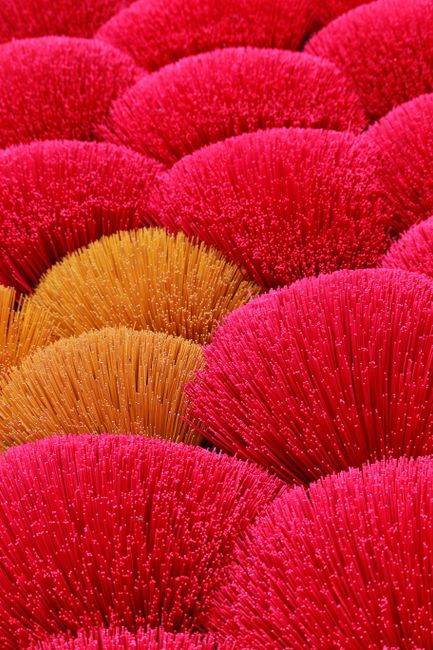
- Incense burner (lư hương): Incense is burned daily as an offering and a symbol of communication with the spiritual realm. The rising smoke carries our prayers and respect to our ancestors.
- Photos of ancestors: Many families place photos of their deceased relatives on the altar, allowing them to feel closer to them.
- Flowers and fruit: Fresh flowers and seasonal fruits are offered as a sign of respect and abundance. These offerings are often changed regularly.
- Tea and wine: Small cups of tea and wine are often offered as refreshment for the ancestors.
- Candles or lamps: These symbolize light and guidance, illuminating the path for our ancestors.
Growing up, I remember my grandmother meticulously tending to the altar every day. She would light incense, change the flowers and fruit, and whisper prayers to our ancestors. It wasn't just a routine; it was a heartfelt expression of her love and devotion. We kids weren't allowed to touch anything on the altar without permission, and we always approached it with reverence.
Rituals and Offerings: Expressing Our Gratitude

Ancestor veneration isn't just about maintaining an altar; it also involves specific rituals and offerings, especially during important occasions. These rituals are often steeped in tradition and vary depending on the region and family customs.
Some of the most common occasions for ancestor veneration include:
- Death anniversaries (giỗ): These are perhaps the most important days for honoring ancestors. On the anniversary of a family member's death, a large feast is prepared and offered to the ancestors. Family members gather to share stories and memories of the deceased.
- Lunar New Year (Tết): Tết is the most significant holiday in Vietnamese culture, and ancestor veneration plays a central role. Families clean and decorate their homes, prepare special foods, and offer them to their ancestors. They also pray for good fortune and blessings for the new year.
- Mid-Autumn Festival (Tết Trung Thu): While primarily a children's festival, families also offer mooncakes and other treats to their ancestors during this time.
- Other important events: Offerings are also made during significant life events, such as weddings, births, and moving into a new home. We believe that seeking our ancestors' blessings on these occasions brings good luck and prosperity.
The offerings themselves are often symbolic and carefully chosen. For example:
- Food: Food offerings often include traditional Vietnamese dishes that were favorites of the deceased. These dishes are carefully prepared and presented with respect.
- Paper money (vàng mã): Burning paper money is a symbolic act of providing our ancestors with wealth in the afterlife. It's believed that they can use this money to improve their lives in the spiritual realm.
- Paper clothes and other items: Similarly, paper clothes, houses, cars, and other items are burned as offerings to provide our ancestors with the comforts they need.
I remember one year during Tết, my family spent days preparing for the ancestral offering. We made bánh chưng (sticky rice cake), giò chả (Vietnamese sausage), and countless other dishes. The aroma of these traditional foods filled the house, creating a sense of warmth and togetherness. It was a labor of love, a way to show our ancestors how much we cared.
The Importance of Family Lineage and Names
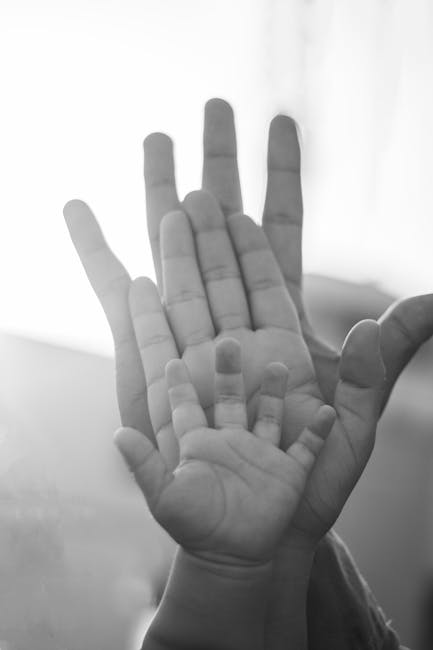
Ancestor veneration is also closely linked to the concept of family lineage and the importance of names. In Vietnamese culture, family names are passed down through generations, connecting us to our ancestors and ensuring the continuity of our lineage.
Children are given names that often reflect the family's values and aspirations. These names are carefully chosen and are considered to be a significant part of a person's identity. When a person dies, their name is inscribed on the ancestor tablet, ensuring that their memory is preserved for generations to come.
Maintaining family records and genealogies is also an important aspect of ancestor veneration. These records help us trace our roots and understand our connection to the past. They also serve as a reminder of the sacrifices and contributions of our ancestors.
Ancestor Veneration in Modern Vietnam: Adapting to Change
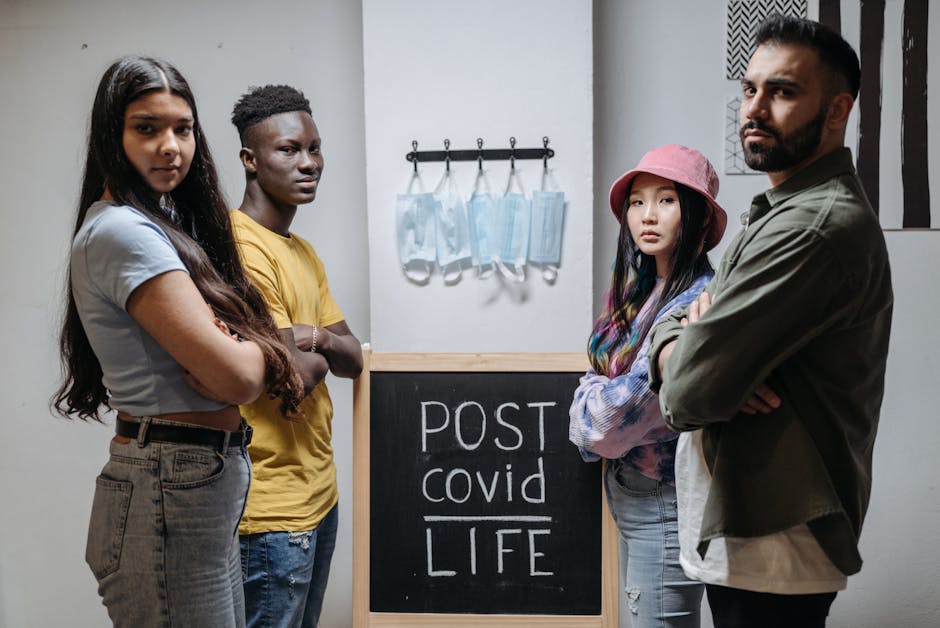
While ancestor veneration remains a vital part of Vietnamese culture, it has also adapted to the changes of modern life. In urban areas, where space is limited, altars may be smaller and simpler. Some families may also choose to cremate their deceased relatives instead of burying them, which can affect the rituals and offerings.
However, the core values of respect, gratitude, and remembrance remain unchanged. Even in the face of modernization, Vietnamese families continue to find ways to honor their ancestors and keep their traditions alive. Many young Vietnamese people, even those living abroad, are actively seeking to learn more about their heritage and reconnect with their ancestral roots.
Technology is also playing a role in preserving and promoting ancestor veneration. Online genealogy databases and social media platforms are being used to connect with distant relatives and share family history. Some families are even creating virtual altars online to honor their ancestors.
Personal Reflections: The Enduring Power of Tradition

For me, ancestor veneration is more than just a cultural practice; it's a deeply personal and meaningful connection to my family and my heritage. It's a reminder that I am part of something bigger than myself, a lineage that stretches back generations. It grounds me, it gives me strength, and it inspires me to live a life worthy of my ancestors' sacrifices.
I remember a time when I was facing a difficult decision in my life. I felt lost and uncertain, unsure of which path to take. I went to the family altar, lit incense, and prayed to my ancestors for guidance. In that moment of quiet contemplation, I felt a sense of peace and clarity. I knew that my ancestors were watching over me and that they would help me make the right choice. Their wisdom and strength guided me through the challenging situation.
Even though I now live far from my family and my homeland, I continue to practice ancestor veneration in my own way. I have a small altar in my home where I keep photos of my deceased relatives and light incense regularly. It's a way of keeping them close to me and honoring their memory. I also make sure to teach my children about our family history and the importance of ancestor veneration. I want them to understand their roots and to appreciate the values that have been passed down through generations.
Conclusion: A Legacy of Love and Respect

Ancestor veneration is a testament to the enduring power of tradition and the importance of family in Vietnamese culture. It's a reminder that we are not alone, that we are connected to a long line of ancestors who have shaped who we are today. By honoring them, we not only express our gratitude and respect but also ensure that their legacy of love, resilience, and wisdom will continue to inspire future generations.
So, the next time you encounter a Vietnamese family, remember that behind their warm smiles and delicious food lies a deep connection to their ancestors. It's a connection that binds them together, guides their actions, and shapes their identity. It's a connection that is worth cherishing and preserving for generations to come.

Post a Comment for "Ancestor Veneration: A Living Tradition at the Heart of Vietnamese Family Life"
Post a Comment