A Journey Inward: My First Meditation Session at a Vietnamese Pagoda

A Journey Inward: My First Meditation Session at a Vietnamese Pagoda
Hey everyone! I wanted to share a really special experience I had recently – visiting a local Vietnamese pagoda for a meditation session. It was something completely new for me, a little outside my comfort zone, but honestly, it was profoundly moving and I wanted to tell you all about it. Maybe it'll inspire you to seek out something similar in your own community!
Finding Peace in an Unexpected Place

I've always been intrigued by meditation. I've tried apps, watched countless YouTube videos, even attempted to follow guided meditations, but I always felt like something was missing. My mind would wander, I'd get restless, and I'd usually end up feeling more frustrated than peaceful. A friend suggested I try meditating in a different environment, specifically mentioning a Vietnamese pagoda not too far from where I live. She said the atmosphere was incredibly calming and that the monks were very welcoming, even to newcomers.
To be honest, I was a bit hesitant. I knew very little about Buddhism or Vietnamese culture, and I was worried about being disrespectful or feeling like an outsider. But the idea of finding genuine peace and quiet was too tempting to resist. So, I did some research on proper etiquette – dress modestly, remove shoes before entering sacred spaces, be respectful of the monks and other attendees – and decided to give it a shot.
Preparing for the Visit: Dress Code and Respect

Before even stepping foot inside the pagoda, I wanted to make sure I was showing respect. This meant doing a little homework and being mindful of my actions. Here's what I focused on:
- Dress modestly: I opted for loose-fitting pants and a long-sleeved shirt. Nothing too flashy or revealing.
- Footwear: I knew shoes had to be removed before entering certain areas, so I wore shoes that were easy to slip on and off.
- Research basic etiquette: Understanding simple gestures like bowing slightly when greeting someone was crucial. I learned that avoiding direct eye contact with monks could be seen as a sign of respect.
- Approach with humility: I reminded myself to be open to learning and to avoid making assumptions based on stereotypes.
Entering a Different World: The Pagoda's Atmosphere

The pagoda itself was breathtaking. From the outside, it was already impressive, with its ornate roof, vibrant colors, and intricate carvings. But stepping inside was like entering a different world. The air was thick with the scent of incense, and the silence was almost palpable. Sunlight streamed through the windows, illuminating golden statues of Buddha and other deities. There was a sense of tranquility that immediately calmed my nerves.
I was greeted by a friendly woman who spoke English and kindly explained the schedule for the day and the rules of the meditation session. She pointed me toward a seating area, where I joined a small group of people already settling in. I chose a spot near the back, feeling a little less conspicuous there.
The Meditation Session: A Journey Within
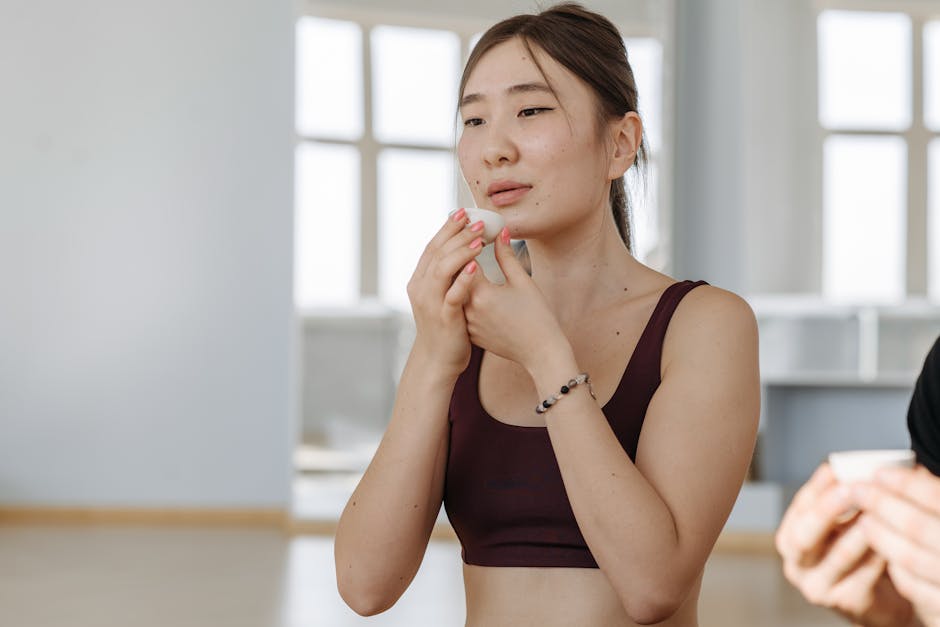
The meditation session was led by a monk with a peaceful demeanor and a soothing voice. He spoke about the importance of mindfulness, of focusing on the present moment, and of letting go of distracting thoughts. He guided us through a series of breathing exercises, instructing us to pay attention to the sensation of the air entering and leaving our bodies.
At first, my mind was all over the place. I was thinking about work, about what I was going to have for dinner, about everything except the present moment. It was incredibly frustrating! But the monk's gentle guidance helped me to refocus. He reminded us that it's okay for our minds to wander, but the key is to gently bring our attention back to our breath without judgment.
Gradually, I started to relax. I found myself sinking deeper into the silence, and my thoughts began to slow down. I still had moments of distraction, of course, but they were less frequent and less intense. I started to notice the subtle sounds around me – the rustling of leaves outside, the soft chanting of the monk, the gentle breathing of the other participants. These sounds, instead of being distractions, became anchors that helped me to stay grounded in the present moment.
For the first time, I felt like I was actually experiencing meditation. It wasn't about achieving a state of perfect stillness or emptying my mind completely. It was about accepting my thoughts and feelings without judgment, and about finding a sense of peace within myself, even amidst the chaos of daily life.
Key Takeaways from My First Pagoda Meditation

The experience gave me a few key insights into meditation and its potential for personal growth.
- Environment matters: The serene atmosphere of the pagoda significantly helped calm my mind. The scent of incense, the beautiful statues, and the quiet reverence all contributed to a sense of peace.
- Guidance is invaluable: Having a knowledgeable and compassionate guide made a huge difference. The monk's instructions were clear and easy to follow, and his gentle encouragement helped me to stay focused.
- Patience is essential: Meditation is not a quick fix. It takes time and practice to develop the ability to quiet the mind. Be patient with yourself and don't get discouraged if you don't see results immediately.
- Embrace imperfection: It's okay for your mind to wander. The key is to gently bring your attention back to your breath without judgment. Meditation is not about achieving a state of perfect stillness, but about learning to be present with yourself, even amidst the chaos of daily life.
- Community Support: Being around others who were also meditating helped create a shared sense of purpose and calmness. It was comforting to know that I wasn't alone in this experience.
Understanding Buddhist Principles within the Practice

While the meditation was the central focus, the setting naturally introduced me to some basic Buddhist concepts. I'm not a Buddhist scholar by any means, but I picked up a few things that resonated with me and made the experience even richer.
a. Mindfulness: This was the most evident. The emphasis on being present in the moment, observing thoughts and feelings without judgment, aligns perfectly with the core of mindfulness. I realized that meditation is essentially a training ground for cultivating mindfulness in everyday life.
b. Non-Attachment: The idea of letting go of clinging to thoughts, emotions, and material possessions was subtly present. The monk encouraged us to observe our thoughts and then release them, rather than getting caught up in them. This idea of non-attachment seemed incredibly freeing.
c. Compassion: There was an underlying sense of compassion for oneself and others. The monk spoke about treating ourselves with kindness and understanding, especially when we struggle with our thoughts and emotions. This self-compassion seemed crucial for a sustainable meditation practice.
The Benefits I Experienced After the Session

Beyond the immediate calmness I felt during the session, I noticed some longer-lasting benefits in the days and weeks that followed. It wasn't a dramatic transformation, but more of a gradual shift in my overall well-being.
Firstly, I felt less reactive. In situations that would normally trigger anxiety or frustration, I found myself able to pause, take a breath, and respond more thoughtfully. This was a huge win for me!
Secondly, my sleep improved. I found it easier to fall asleep and stay asleep, and I woke up feeling more rested. I think the meditation helped calm my racing thoughts and reduce stress levels, which in turn improved my sleep quality.
Thirdly, I felt more connected to myself. Spending time in quiet contemplation allowed me to get in touch with my inner thoughts and feelings. This self-awareness helped me to better understand my own needs and desires, and to make choices that were more aligned with my values.
Tips for Visiting a Vietnamese Pagoda for Meditation

If you're thinking about visiting a Vietnamese pagoda for meditation, here are a few tips based on my own experience:
- Do your research: Find out the schedule for meditation sessions and any specific requirements for visitors.
- Dress modestly: This is a sign of respect for the sacred space.
- Be open to learning: Don't be afraid to ask questions and to learn about Buddhist culture and practices.
- Be patient with yourself: Meditation is a skill that takes time and practice to develop.
- Embrace the silence: Allow yourself to fully immerse yourself in the peaceful atmosphere of the pagoda.
- Don't be afraid to ask for help: If you're unsure about anything, don't hesitate to ask a monk or another attendee for clarification.
My Final Thoughts: A Journey Worth Taking

My first meditation session at a Vietnamese pagoda was a truly transformative experience. It opened my eyes to the power of meditation and the importance of finding moments of peace and quiet in our busy lives. It also gave me a greater appreciation for Buddhist culture and the beauty of Vietnamese spirituality. I highly recommend seeking out a similar experience in your own community. You might be surprised at what you discover about yourself and the world around you. I plan to return to the pagoda regularly, continuing my journey of self-discovery and finding solace in its peaceful embrace. Maybe I'll see you there!

Post a Comment for "A Journey Inward: My First Meditation Session at a Vietnamese Pagoda"
Post a Comment