Culinary Retreats in Vietnam: A Foodie's Dream Come True!
Culinary Retreats in Vietnam: A Foodie's Dream Come True!
Okay, friends, let me tell you about something truly magical: culinary retreats in Vietnam. If you're anything like me – someone who dreams in pho and can't resist the allure of a perfectly balanced spring roll – then you absolutely need to consider this. I recently returned from one, and honestly, it's shifted my whole perspective on food, cooking, and travel. It was so much more than just a vacation; it was an immersive experience that touched all my senses. Think cooking classes with local chefs, market tours brimming with exotic ingredients, and evenings spent savoring regional specialties under the stars. Are you hungry yet? I know I am just thinking about it!
Why Choose Vietnam for a Culinary Adventure?
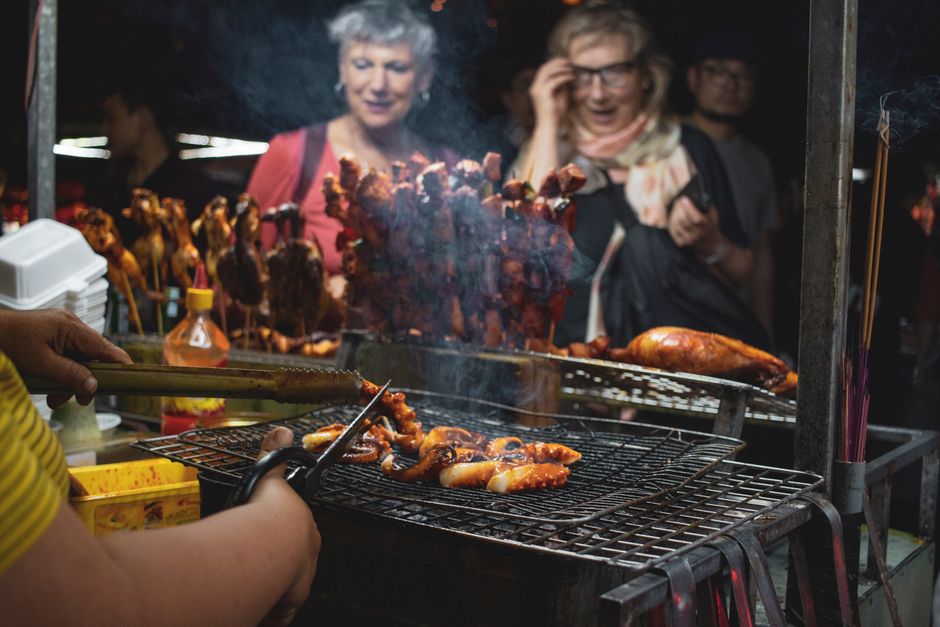
So, why Vietnam, you might ask? Well, where do I even begin? Vietnamese cuisine is renowned worldwide for its fresh flavors, vibrant herbs, and delicate balance of sweet, sour, salty, spicy, and umami. It's a light, healthy, and incredibly diverse cuisine, varying dramatically from North to South. Each region boasts its own unique dishes and culinary traditions, meaning you could spend a lifetime exploring the country's food scene and still discover something new. Beyond the incredible food, Vietnam itself is a stunningly beautiful country, with bustling cities, serene countryside, and breathtaking coastlines. It's also a country steeped in history and culture, offering a fascinating glimpse into Southeast Asian traditions.
But honestly, the real reason I fell in love with Vietnamese cuisine is its approach to ingredients. Everything is so fresh! From the fragrant basil and mint used in summer rolls to the locally sourced fish sauce that's the backbone of so many dishes, you taste the sunshine and the earth in every bite. This commitment to fresh, seasonal ingredients is at the heart of Vietnamese cooking, and it's something I really appreciated during my culinary retreat.
What to Expect on a Vietnamese Culinary Retreat

Now, let's get down to the details. What can you actually expect from a culinary retreat in Vietnam? While each retreat is unique, they typically include a blend of hands-on cooking classes, guided market tours, cultural excursions, and plenty of opportunities to indulge in delicious food. My retreat looked something like this:
- Cooking Classes: This was the core of the experience. We learned how to prepare classic Vietnamese dishes like pho, banh mi, spring rolls, and various regional specialties. The classes were led by experienced local chefs who shared their tips, tricks, and family recipes. We got to work with fresh ingredients, learn traditional cooking techniques, and, most importantly, eat everything we made!
- Market Tours: Forget the supermarket – we explored bustling local markets teeming with colorful fruits, vegetables, herbs, spices, and live seafood. Our guide taught us how to identify different ingredients, bargain for the best prices, and understand the role of each ingredient in Vietnamese cuisine. It was a sensory overload in the best possible way!
- Food Tours: Beyond the cooking classes, we embarked on guided food tours, sampling street food delights and hidden culinary gems. We tried everything from banh xeo (crispy savory pancakes) to bun cha (grilled pork with noodles), discovering the diverse flavors of each region.
- Cultural Excursions: To balance the culinary experiences, we also explored Vietnam's rich culture and history. We visited ancient temples, historical sites, and local villages, gaining a deeper understanding of the country and its people.
- Accommodation: The retreats usually offer comfortable accommodation in hotels, guesthouses, or even charming homestays. This provides a chance to relax, unwind, and connect with fellow foodies.
- Free Time: It's not all about cooking and eating (though that's a big part of it!). There's usually some free time built in for you to explore on your own, relax by the pool, or indulge in a massage.
Choosing the Right Culinary Retreat for You
With so many culinary retreats to choose from, how do you pick the right one? Here are some factors to consider:
- Location: Vietnam is a long country with distinct regional cuisines. Do you want to explore the bustling streets of Hanoi, the serene rice paddies of Sapa, the vibrant beaches of Hoi An, or the Mekong Delta's floating markets? Each region offers a unique culinary experience, so choose a location that aligns with your interests.
- Focus: Some retreats focus on specific aspects of Vietnamese cuisine, such as vegetarian dishes, street food, or regional specialties. Consider what you want to learn and choose a retreat that specializes in that area.
- Duration: Culinary retreats can range from a few days to several weeks. Consider how much time you have available and how deeply you want to immerse yourself in Vietnamese cuisine.
- Group Size: Some retreats are small and intimate, while others are larger and more social. Think about your preferred learning style and choose a retreat with a group size that suits you.
- Budget: Culinary retreats can vary in price, depending on the location, duration, and inclusions. Set a budget and look for retreats that fall within your price range. Read reviews and compare different options before making a decision.
- Read Reviews: This is super important! See what other foodies have to say about their experiences. Were they happy with the instructors? Did they enjoy the food and accommodations? Reviews can give you valuable insights and help you make an informed decision.
Before booking, be sure to research the retreat provider thoroughly. Check their website, read reviews, and contact them directly with any questions you may have. Make sure they are reputable, experienced, and offer a program that aligns with your goals and expectations. Trust me, doing your homework beforehand will pay off in the long run!
My Personal Highlights and Favorite Discoveries

Okay, now for the really good stuff – my personal highlights! Honestly, the entire experience was incredible, but a few moments really stood out. First, learning to make pho from scratch with a local chef in Hanoi. The aroma of the simmering broth, the delicate balance of spices, the satisfying slurp of the noodles – it was pure culinary bliss. I'll never look at a bowl of pho the same way again.
Another highlight was visiting a family-run herb farm in Hoi An. We learned about the different types of herbs used in Vietnamese cuisine, their medicinal properties, and how to grow them ourselves. It was fascinating to see how these humble ingredients can elevate a dish to something truly special. We even got to participate in preparing a traditional family meal using the freshly harvested herbs – a truly unforgettable experience.
And then there was the street food tour in Ho Chi Minh City. Oh my goodness, the street food! From banh mi stuffed with roasted pork and pickled vegetables to banh xeo sizzling on a hot griddle, every bite was an explosion of flavor. Our guide led us to hidden gems and local favorites, introducing us to the best street food vendors in the city. I discovered dishes I never would have found on my own, and I gained a newfound appreciation for the vibrant street food culture of Vietnam.
Beyond the food, I also loved the opportunity to connect with fellow foodies from around the world. We shared stories, recipes, and laughs, forging friendships that I know will last a lifetime. It was inspiring to be surrounded by people who share my passion for food and travel.
Essential Vietnamese Cooking Techniques You'll Learn
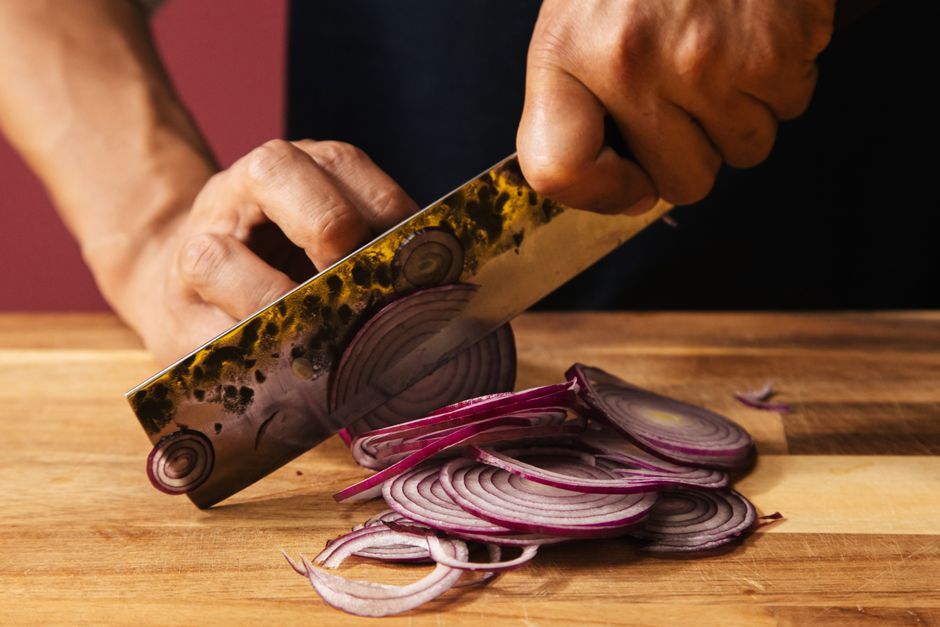
During a culinary retreat, you'll likely learn several essential Vietnamese cooking techniques. Here are a few examples:
- Stir-frying (Xào): This is a fundamental technique used to quickly cook vegetables, meats, and seafood in a wok or frying pan. The key is to use high heat and keep the ingredients moving to prevent burning.
- Steaming (Hấp): Steaming is a gentle cooking method that preserves the natural flavors and nutrients of ingredients. It's commonly used for vegetables, fish, and dumplings.
- Simmering (Rim): Simmering involves cooking food in a liquid at a low temperature. This is often used for braising meats and making sauces.
- Grilling (Nướng): Grilling is a popular cooking method for meats, seafood, and vegetables. It adds a smoky flavor and char to the food.
- Deep-frying (Chiên): Deep-frying is used to create crispy and flavorful dishes, such as spring rolls and banh xeo.
- Making Nuoc Cham: Nuoc cham, the iconic Vietnamese dipping sauce, is a perfect balance of sweet, sour, salty, and spicy. Learning to make it properly is a MUST. Each family has their own secret recipe and you can find your own balance during your retreat!
You will also get to handle a variety of ingredients that can be difficult to find at home, such as fresh rice paper, banana flower and different types of mint and basil.
Bringing the Flavors Home

One of the best things about a culinary retreat is that you get to bring the flavors of Vietnam home with you. I'm still experimenting with new recipes and techniques that I learned during my trip. I've recreated some of my favorite dishes for friends and family, and they've been a huge hit! I even started growing my own herbs, inspired by the herb farm I visited in Hoi An. It's not the same as cooking with the amazing fresh ingredients in Vietnam, but I'm doing my best!
I also brought back a few essential Vietnamese cooking tools, such as a bamboo steamer, a mortar and pestle, and a good quality wok. These tools have made it easier for me to recreate authentic Vietnamese dishes in my own kitchen. Of course, I made sure to bring back plenty of fish sauce and rice paper too!
But the most important thing I brought home was a newfound appreciation for Vietnamese cuisine and culture. My culinary retreat was more than just a cooking class; it was an immersive experience that changed the way I think about food. It taught me the importance of fresh ingredients, simple techniques, and the power of sharing a meal with friends and family. It's an experience that I wholeheartedly recommend to anyone who loves food, travel, and adventure.
Final Thoughts: Is a Culinary Retreat in Vietnam Right for You?

So, is a culinary retreat in Vietnam right for you? If you're passionate about food, eager to learn new skills, and open to experiencing a different culture, then I wholeheartedly believe the answer is yes. It's an investment in yourself, a chance to expand your culinary horizons, and a way to create memories that will last a lifetime. Be prepared to be amazed!
I'll never forget my time in Vietnam, and I hope this article has inspired you to consider embarking on your own culinary adventure. Happy cooking, and bon appétit (or as they say in Vietnam, "Chúc ngon miệng!")

Post a Comment for "Culinary Retreats in Vietnam: A Foodie's Dream Come True!"
Post a Comment