Traditional Vietnamese Festivals You Can't Miss: A Personal Journey Through Culture and Celebration

Traditional Vietnamese Festivals You Can't Miss: A Personal Journey Through Culture and Celebration
Hey there! Ever dreamt of diving headfirst into a culture bursting with color, tradition, and infectious joy? Well, let me tell you, Vietnamese festivals are just the ticket. I've had the incredible opportunity to experience quite a few of these vibrant celebrations firsthand, and trust me, they're unlike anything else. Forget your typical tourist traps – we're talking about authentic, deeply rooted traditions that will leave you breathless and craving more. So, grab a cup of Vietnamese coffee (cà phê sữa đá, anyone?) and let's embark on a journey through some of the most unforgettable traditional Vietnamese festivals you absolutely can't miss!
Tết Nguyên Đán (Lunar New Year): More Than Just a New Year

Ah, Tết! This isn't just a New Year celebration; it's the New Year celebration, the mother of all festivals in Vietnam. Imagine the entire country transforming into a whirlwind of bustling markets, blossoming peach and apricot trees (hoa đào and hoa mai respectively), and the aroma of traditional dishes like bánh chưng (sticky rice cake stuffed with pork and mung beans). I remember my first Tết vividly. The air was thick with excitement, everyone was dressed in their finest clothes, and the streets were alive with lion dances and firecrackers. It's a truly magical experience.
Tết usually falls between late January and mid-February, coinciding with the Lunar calendar. It's a time for family reunions, ancestral worship, and making a fresh start. Homes are meticulously cleaned and decorated, debts are settled, and old grudges are forgiven. It's all about welcoming the new year with good luck, prosperity, and happiness.
Here are some things you absolutely must do during Tết:
- Visit a flower market: The vibrant colors and fragrant blooms are a feast for the senses. Choose your favorite flowers to bring good luck into your home.
- Watch a lion dance: These energetic performances are believed to ward off evil spirits and bring good fortune.
- Try bánh chưng: This iconic dish is a symbol of Tết. No celebration is complete without it!
- Give and receive lucky money (lì xì): Red envelopes filled with money are given to children and the elderly as a symbol of good luck and prosperity.
- Wish everyone a Happy New Year (Chúc mừng năm mới!): It's a simple gesture that goes a long way.
My Tip: Be prepared for closures. Many businesses shut down for several days during Tết, so plan your travel and activities accordingly. Also, be respectful of the traditions and customs. It's a deeply significant time for Vietnamese families.
Hội Lim (Lim Festival): A Celebration of Love and Folk Songs

If you're looking for something a little different, head to Bac Ninh province for the Hội Lim, or Lim Festival. Held around the 13th day of the first lunar month (usually in February or March), this festival is a celebration of Quan họ folk songs – a unique style of Vietnamese folk music recognized by UNESCO. Imagine fields filled with people singing and responding to each other in lyrical verses, a truly captivating experience. I remember being mesmerized by the beautiful costumes and the haunting melodies of the songs. It felt like stepping back in time.
The Hội Lim is more than just a music festival; it's also a celebration of love and courtship. Young men and women gather to showcase their singing talents and find potential partners. The festival also features traditional games, such as swinging, wrestling, and tug-of-war. It's a lively and engaging event that offers a glimpse into the rich cultural heritage of the region.
What makes the Hội Lim so special?
- The Quan họ folk songs: This unique style of music is a UNESCO-recognized intangible cultural heritage.
- The traditional costumes: The singers are dressed in elaborate and colorful costumes that add to the visual spectacle.
- The games and activities: The festival offers a variety of traditional games and activities for everyone to enjoy.
- The atmosphere: The atmosphere is electric, with people singing, dancing, and celebrating together.
My Tip: Learn a few basic Quan họ phrases before you go. Even a simple "Xin chào" (hello) will be appreciated. Also, be prepared for crowds. The Hội Lim is a popular event, so arrive early to secure a good spot.
Tết Trung Thu (Mid-Autumn Festival): Mooncakes and Lanterns Galore!

Tết Trung Thu, also known as the Mid-Autumn Festival or the Moon Festival, is a celebration of the harvest moon and children. Held on the 15th day of the 8th lunar month (usually in September or October), it's a time for families to gather, admire the full moon, and enjoy mooncakes (bánh trung thu) and lanterns. I remember being completely enchanted by the glowing lanterns that illuminated the streets during Tết Trung Thu. It felt like stepping into a fairytale.
Children are the stars of Tết Trung Thu. They parade with lanterns, perform lion dances, and enjoy traditional games. Mooncakes, filled with sweet or savory fillings, are a must-have treat. They symbolize unity and completeness. It's a heartwarming festival that celebrates family, tradition, and the joys of childhood.
Here's what you can expect during Tết Trung Thu:
- Lantern parades: Children parade through the streets with colorful lanterns of all shapes and sizes.
- Lion dances: Energetic lion dances are performed to bring good luck and ward off evil spirits.
- Mooncakes: These delicious pastries are a symbol of the festival.
- Family gatherings: Families gather to admire the full moon and enjoy each other's company.
- Traditional games: Children play traditional games like lantern making and tug-of-war.
My Tip: Try different types of mooncakes. There are sweet mooncakes with lotus seed paste and salted egg yolks, as well as savory mooncakes with meat and vegetables. Also, don't be afraid to join in the lantern parades. It's a fun and memorable experience.
Lễ Hội Đền Hùng (Hung Kings Temple Festival): Paying Respect to the Ancestors

The Lễ Hội Đền Hùng, or Hung Kings Temple Festival, is a national holiday in Vietnam that commemorates the Hung Kings, the legendary founders of the nation. Held from the 8th to the 11th day of the third lunar month (usually in April), this festival is a time for Vietnamese people to pay their respects to their ancestors and celebrate their cultural heritage. I remember being deeply moved by the solemn atmosphere and the sense of national pride that permeated the festival. It was a powerful reminder of the importance of tradition and heritage.
The festival takes place at the Hung Temple Complex in Phu Tho province. Pilgrims from all over the country come to offer incense, flowers, and food to the Hung Kings. The festival also features traditional performances, such as dragon dances, martial arts demonstrations, and folk music concerts. It's a deeply spiritual and culturally significant event.
Here's what you should know about the Lễ Hội Đền Hùng:
- The history: The festival commemorates the Hung Kings, the legendary founders of Vietnam.
- The location: The festival takes place at the Hung Temple Complex in Phu Tho province.
- The rituals: Pilgrims offer incense, flowers, and food to the Hung Kings.
- The performances: The festival features traditional performances, such as dragon dances and martial arts demonstrations.
My Tip: Dress respectfully when visiting the Hung Temple Complex. Cover your shoulders and knees. Also, be prepared for large crowds. The Lễ Hội Đền Hùng is a popular event, so arrive early to avoid the worst of the congestion.
Other Notable Vietnamese Festivals
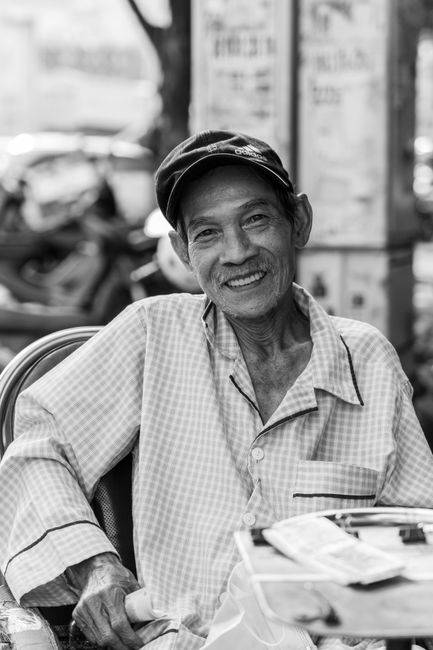
While the festivals I've mentioned are some of the most prominent, there are many other amazing Vietnamese celebrations worth exploring. Here are a few more to whet your appetite:
- Tết Hàn Thực (Cold Food Festival): Celebrated on the 3rd day of the 3rd lunar month, this festival involves eating cold food in remembrance of a loyal courtier.
- Lễ Phật Đản (Buddha's Birthday): Celebrated on the 8th day of the 4th lunar month, this festival commemorates the birth of Buddha.
- Ngày Giải Phóng Miền Nam (Reunification Day): Celebrated on April 30th, this national holiday commemorates the end of the Vietnam War and the reunification of the country.
- Ngày Quốc Khánh (National Day): Celebrated on September 2nd, this national holiday commemorates the declaration of independence from France.
My Final Tip: The best way to experience Vietnamese festivals is to immerse yourself in the culture. Learn a few basic Vietnamese phrases, try the local food, and be open to new experiences. You won't be disappointed!
So, there you have it – a glimpse into the vibrant world of traditional Vietnamese festivals. I hope this has inspired you to plan your own adventure and experience these unforgettable celebrations firsthand. Trust me, you'll come away with memories that will last a lifetime. From the bustling markets of Tết to the enchanting lanterns of Tết Trung Thu, Vietnam's festivals offer a unique and enriching cultural experience that you simply can't miss. Chúc mừng (cheers) to your upcoming travels!

Post a Comment for "Traditional Vietnamese Festivals You Can't Miss: A Personal Journey Through Culture and Celebration"
Post a Comment