The Aromatic Heart of Vietnam: Exploring the World of Herbs and Spices in Vietnamese Cuisine
The Aromatic Heart of Vietnam: Exploring the World of Herbs and Spices in Vietnamese Cuisine
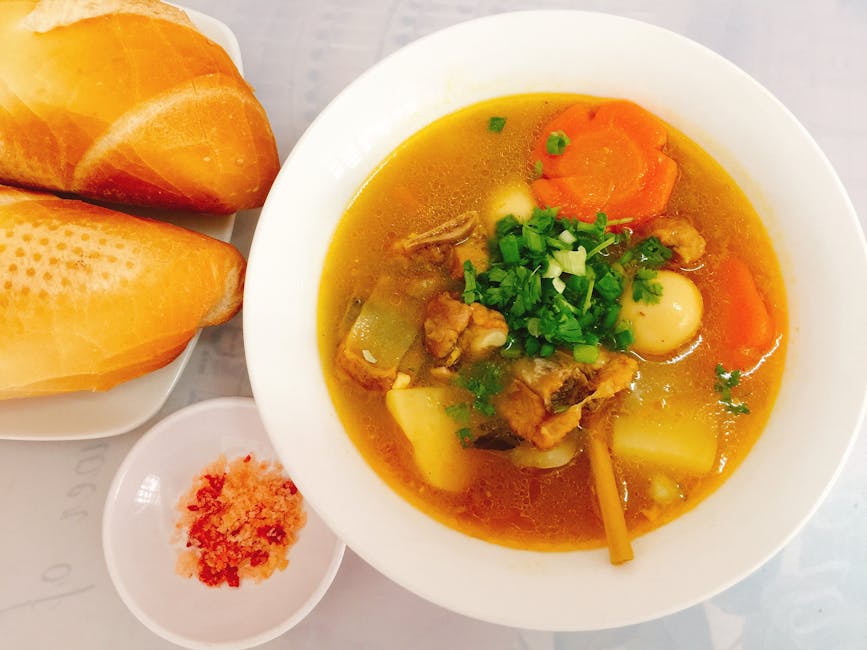
Vietnamese cuisine! Just the words conjure up images of vibrant colours, tantalizing aromas, and an explosion of fresh, clean flavours. But have you ever stopped to consider what truly elevates Vietnamese dishes from simple fare to culinary masterpieces? It's more than just noodles and broth; it's the harmonious dance of herbs and spices. These aromatic powerhouses aren't just afterthoughts; they're integral to the very soul of Vietnamese cooking.
I remember the first time I truly understood this. I was travelling in Vietnam, and a local woman invited me into her home to learn how to make pho. She didn't just throw in a few dashes of something; she carefully measured, crushed, and simmered a blend of spices I'd never even heard of. That's when it clicked: Vietnamese cuisine is an alchemy, transforming everyday ingredients into something extraordinary through the magic of herbs and spices.
The Foundation: Core Herbs and Spices

Think of Vietnamese herbs and spices as the backbone of the entire culinary system. While the specific mix varies from region to region and even family to family, certain staples are universally beloved and used in countless dishes. Let's explore some of the most essential:
- Cilantro (Rau Mùi): Fresh and vibrant, cilantro is almost always served as a garnish, adding a burst of brightness to everything from pho to summer rolls. Its slightly citrusy notes are a perfect counterpoint to richer flavours.
- Mint (Rau Húng): There are many varieties of mint used in Vietnamese cuisine, each with its unique characteristics. Peppermint, spearmint, and Vietnamese mint (rau răm) are all common, adding a cool, refreshing touch.
- Thai Basil (Húng Quế): With its anise-like aroma and slightly spicy flavour, Thai basil is a staple in pho, spring rolls, and stir-fries. Its bold flavour stands up well to strong sauces and broths.
- Lime (Chanh): While technically a fruit, lime is indispensable. Its juice adds a crucial element of acidity, balancing out the sweetness and richness of many dishes. A squeeze of lime is often the final touch that brings a dish to life.
- Chili (Ớt): From mild to scorching hot, chilies are used to add a fiery kick to almost everything. They come in various forms, from fresh chilies to chili paste and chili oil, allowing for precise control over the level of spice.
- Garlic (Tỏi): Aromatic and pungent, garlic is the workhorse of Vietnamese cuisine. It's used to flavour everything from stir-fries to marinades and sauces.
- Ginger (Gừng): With its warm, slightly spicy flavour, ginger is used to add depth and complexity to soups, stews, and braises. It's also often used to counteract the fishy flavours of seafood.
- Fish Sauce (Nước Mắm): Okay, not technically a herb or spice, but fish sauce is the umami bomb that ties everything together. Made from fermented fish, it adds a salty, savoury, and slightly funky flavour that is essential to Vietnamese cuisine. Don't be put off by the smell; it transforms beautifully when cooked.
- Lemongrass (Sả): This fragrant stalk adds a citrusy, slightly floral flavour to marinades, soups, and stews. Its tough outer layers are often discarded, but the tender inner core is where the magic happens.
These are just the basics! The beauty of Vietnamese cuisine lies in its regional variations and the creative combinations of these core ingredients.
Beyond the Basics: Exploring Unique Vietnamese Herbs

While the herbs and spices mentioned above are widely available, there are also some unique and lesser-known herbs that truly set Vietnamese cuisine apart. Discovering these ingredients feels like uncovering a hidden culinary treasure:
- Rau Răm (Vietnamese Coriander): This herb has a peppery, slightly sour flavour with a hint of citrus. It's often used in salads, soups, and alongside dishes like balut (fertilized duck egg).
- Tía Tô (Perilla): With its distinctive purple leaves, tía tô has a slightly bitter, anise-like flavour. It's often used in soups and stir-fries, and is believed to have medicinal properties.
- Diếp Cá (Fish Mint): This herb has a very unique, almost fishy flavour (hence the name). It's an acquired taste, but many Vietnamese people love it in salads, spring rolls, and as a garnish for noodle soups.
- Ngò Gai (Sawtooth Coriander): Also known as culantro, ngò gai has a stronger, more pungent flavour than cilantro. It's often used in pho and other soups.
Finding these herbs can be a bit of a challenge depending on where you live, but visiting Asian markets or even growing your own is a great way to expand your Vietnamese culinary horizons. Trust me, the effort is worth it!
The Art of Blending Spices: Creating Aromatic Masterpieces
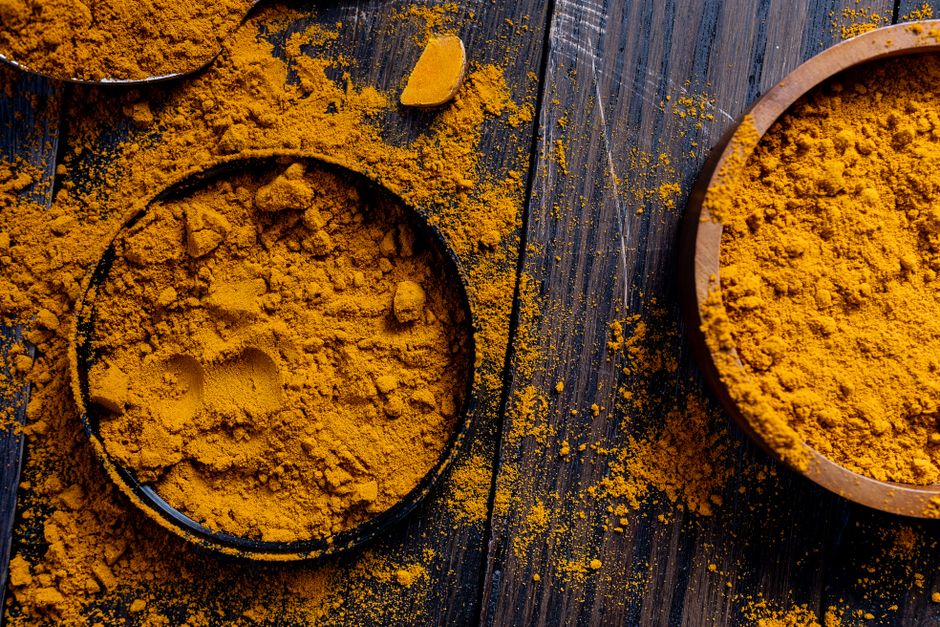
Vietnamese cooks aren't just throwing herbs and spices together willy-nilly. There's a real art to blending them to create complex and balanced flavour profiles. Here's where understanding the individual characteristics of each ingredient comes into play.
Take pho, for example. That seemingly simple bowl of noodle soup is actually a symphony of flavours orchestrated by a blend of spices like:
- Cinnamon: Adds warmth and sweetness.
- Star Anise: Provides a licorice-like aroma and flavour.
- Cloves: Offers a pungent, slightly sweet note.
- Cardamom: Contributes a citrusy, floral aroma.
- Fennel Seeds: Adds a subtle anise flavour.
- Coriander Seeds: Provides a citrusy, slightly nutty aroma.
These spices are often toasted before being added to the broth, which intensifies their flavour and aroma. The result is a rich, complex, and deeply satisfying broth that is the hallmark of authentic pho.
Or consider bún chả, the grilled pork and noodle dish from Hanoi. The marinade for the pork often includes a combination of:
- Fish Sauce: For umami and saltiness.
- Sugar: For sweetness and caramelization.
- Garlic: For pungency.
- Shallots: For a milder onion flavour.
- Black Pepper: For a touch of heat.
- Lemongrass: For a citrusy aroma.
The balance of sweet, salty, savoury, and aromatic flavours is what makes bún chả so irresistible.
Regional Variations: A Spice Journey Through Vietnam

Vietnam is a long, narrow country with diverse geography and cultural influences, and these differences are reflected in the regional variations of its cuisine. Each region has its own unique approach to using herbs and spices.
- Northern Vietnam: Influenced by China, Northern Vietnamese cuisine tends to be more subtle and refined in its use of spices. Black pepper, ginger, and fish sauce are commonly used, but dishes are generally less spicy than in other regions.
- Central Vietnam: Known for its bold and complex flavours, Central Vietnamese cuisine often incorporates chili peppers, shrimp paste, and fermented ingredients. The former imperial capital of Hue is particularly famous for its elaborate and beautifully presented dishes.
- Southern Vietnam: With its abundance of fresh produce and tropical climate, Southern Vietnamese cuisine is characterized by its sweetness and use of coconut milk. Herbs like Thai basil, mint, and cilantro are used liberally, and dishes often have a hint of sweetness from sugar or coconut water.
Exploring the regional variations of Vietnamese cuisine is a culinary adventure in itself. It's a chance to discover new flavours and appreciate the diversity of Vietnamese culinary traditions.
Health Benefits: Beyond the Flavour

Besides adding flavour to Vietnamese dishes, herbs and spices also offer a wealth of health benefits. Many of the herbs used in Vietnamese cuisine are packed with vitamins, minerals, and antioxidants that can boost the immune system, reduce inflammation, and improve overall health.
For example:
- Ginger is known for its anti-inflammatory and digestive properties.
- Garlic has antibacterial and antiviral properties.
- Turmeric (though less common than other spices, it's still used) is a powerful antioxidant and anti-inflammatory agent.
- Chilies can boost metabolism and relieve pain.
So, by incorporating these herbs and spices into your diet, you're not only enhancing the flavour of your food, but you're also nourishing your body.
Tips for Using Herbs and Spices in Vietnamese Cooking
Ready to start experimenting with herbs and spices in your own Vietnamese cooking? Here are a few tips to get you started:
- Start with fresh ingredients: Fresh herbs and spices have a much more vibrant flavour than dried ones. Whenever possible, use fresh herbs and grind your own spices.
- Don't be afraid to experiment: Vietnamese cuisine is all about balance, so don't be afraid to experiment with different combinations of herbs and spices to find what you like.
- Taste as you go: Add herbs and spices gradually, tasting as you go, until you achieve the desired flavour.
- Learn about the different varieties: There are many different varieties of each herb and spice, each with its own unique flavour profile. Try exploring different varieties to find your favourites.
- Store your spices properly: Store your spices in airtight containers in a cool, dark place to preserve their flavour and aroma.
Cooking Vietnamese food can be a fun and rewarding experience. Take some time to learn about Vietnamese herbs and spices and experiment in the kitchen.
My Personal Journey: From Beginner to Enthusiast

My own journey with Vietnamese cuisine started with a simple bowl of pho. I was immediately hooked by the complex and satisfying flavour. Over time, I started to learn more about the herbs and spices that made Vietnamese food so special. I visited local Asian markets, talked to Vietnamese cooks, and experimented in my own kitchen.
I quickly realized that Vietnamese cooking wasn't just about following recipes; it was about understanding the principles of flavour balance and using herbs and spices to create dishes that were both delicious and healthy. The more I learned, the more I appreciated the art and science of Vietnamese cuisine.
Now, I love sharing my passion for Vietnamese food with others. I hope this article has inspired you to explore the wonderful world of herbs and spices in Vietnamese cuisine. Go forth, experiment, and create your own aromatic masterpieces!

Post a Comment for "The Aromatic Heart of Vietnam: Exploring the World of Herbs and Spices in Vietnamese Cuisine"
Post a Comment