Navigating Vietnam: A Friendly Guide to Etiquette and Local Customs

Navigating Vietnam: A Friendly Guide to Etiquette and Local Customs
Hey there! Planning a trip to Vietnam? Awesome! You're in for an incredible experience. Vietnam is a land of breathtaking landscapes, vibrant culture, and incredibly warm people. But to truly immerse yourself and show respect, understanding Vietnamese etiquette is key. Trust me, knowing a few dos and don'ts will go a long way in creating genuine connections and avoiding unintentional faux pas. I've traveled extensively through Vietnam, and I'm excited to share some of my insights and experiences with you, so you can navigate this beautiful country with grace and confidence.
The Foundation: Respect and Harmony

At its heart, Vietnamese etiquette is deeply rooted in respect and the desire to maintain harmony. Think of it as a delicate dance where every gesture, every word, and every action contributes to a smooth and pleasant interaction. Showing respect, especially to elders and those in positions of authority, is paramount. Avoiding conflict and maintaining a calm demeanor are also highly valued. Keeping these principles in mind will serve as your foundation for navigating almost any social situation.
Greetings and Introductions: The Nuances of Saying Hello

First impressions matter, right? When it comes to greetings in Vietnam, there are a few things to keep in mind:
- The Bow: While a handshake is becoming increasingly common, especially in business settings, a slight bow is still a traditional and respectful greeting, particularly for elders. It doesn't need to be a deep bow, just a gentle nod of the head.
- The Verbal Greeting: When greeting someone, use "Xin chào" (pronounced "seen chow"). It's the standard Vietnamese greeting, equivalent to "Hello." Remember to add a respectful pronoun based on the person's age and your relationship to them. It can get a little tricky, but here's a simplified guide:
- "Ông" (Ong) or "Bà" (Bah): Use for older men and women, respectively. Think of it as saying "Hello, sir" or "Hello, madam."
- "Cô" (Co) or "Chú" (Chu): Use for younger women and men, roughly the age of your parents. It's similar to saying "Hello, auntie" or "Hello, uncle," but without the familial connection.
- "Anh" (Anh) or "Chị" (Chi): Use for slightly older men and women, someone perhaps a few years older than you.
- "Em" (Em): Use for younger individuals.
So, if you're greeting an older woman, you would say "Xin chào bà" (Seen chow bah). If you're unsure, "Xin chào" alone is perfectly acceptable and polite. Many younger Vietnamese, especially in tourist areas, will greet you in English.
- Physical Contact: Generally, avoid excessive physical contact, especially with someone of the opposite sex. A handshake is fine, but hugs and kisses are less common in public.
- Business Cards: If exchanging business cards, present and receive them with both hands, demonstrating respect. Take a moment to glance at the card before putting it away.
I remember once I just went straight for the handshake with a very elderly man, and while he reciprocated, I could tell from his expression that a bow would have been more appropriate. Live and learn!
Dining Etiquette: A Feast of Customs
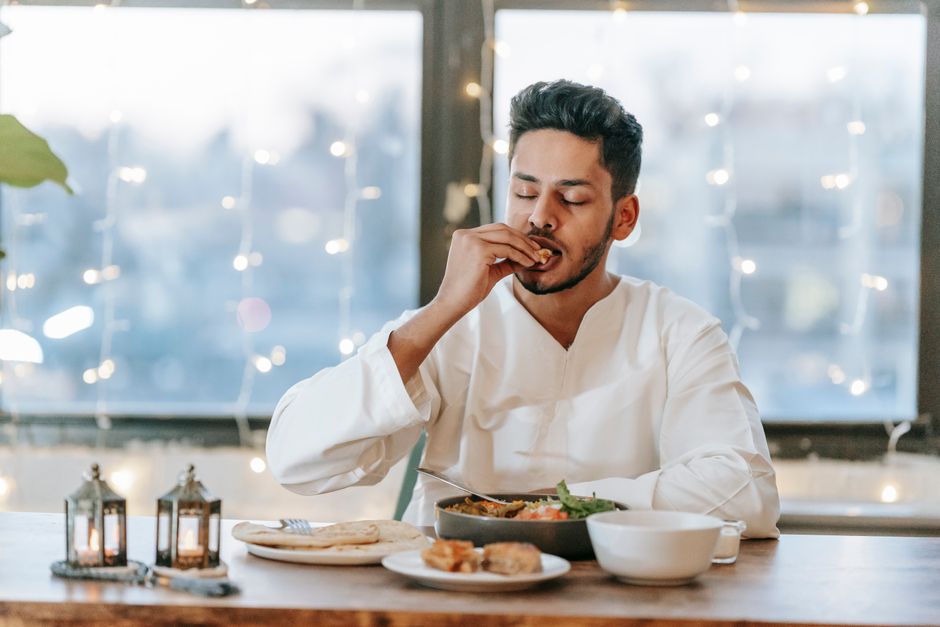
Food is a central part of Vietnamese culture, and mealtimes are often a social affair. Here are some key points to keep in mind:
- The Eldest First: Wait for the eldest person at the table to begin eating before you do. It's a sign of respect.
- Sharing is Caring: Dishes are usually shared in the center of the table. Don't reach across the table to grab something; instead, politely ask someone to pass it to you.
- Chopstick Etiquette: Oh, the chopsticks! A few rules:
- Never stick your chopsticks upright in your rice bowl. It resembles incense offerings to the deceased and is considered extremely bad luck.
- Use the communal chopsticks provided to take food from the shared dishes, and then use your own chopsticks to eat.
- Don't point your chopsticks at anyone.
- Lay your chopsticks down when you're not using them.
- Portion Control: Take small portions of food at a time. It's considered polite to finish what's on your plate.
- Offering and Accepting: When offering food to someone, use both hands or your right hand, palm up. When receiving something, do the same.
- Leaving Food: It's okay to leave a small amount of food on your plate, especially if you're full. It shows the host that you've been well-fed.
- Paying the Bill: If you're invited out, the person who extended the invitation usually pays. Offering to contribute is polite, but don't insist if they refuse.
I once accidentally stuck my chopsticks straight up in my rice bowl. My Vietnamese friend gently corrected me, and I was so grateful! These little details can make a big difference.
Dress Code: When in Doubt, Err on the Side of Modesty
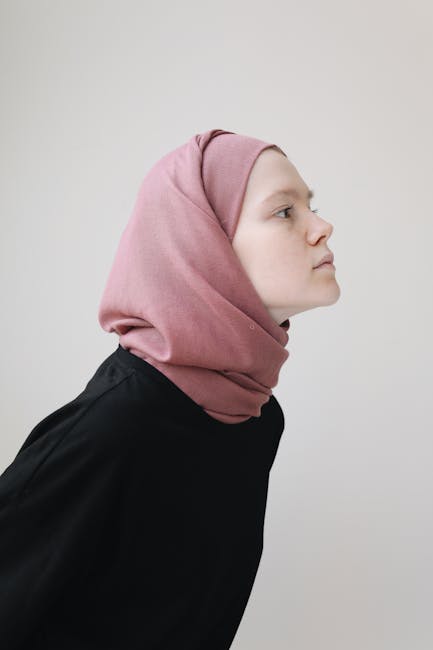
Vietnam is generally a conservative country, especially outside of major tourist areas. While you don't need to be overly concerned, it's best to dress modestly to show respect for local customs.
- Cover Up: Avoid wearing revealing clothing, especially when visiting temples, pagodas, or religious sites. Shoulders and knees should be covered.
- Smart Casual: For everyday wear, smart casual is a safe bet. Lightweight, breathable fabrics are ideal for the warm climate.
- Shoes Off: Always remove your shoes before entering someone's home or many temples. There's usually a designated area for shoes near the entrance.
- Swimwear: Only wear swimwear at the beach or swimming pool.
I remember visiting a temple in shorts and a tank top and feeling incredibly out of place. I quickly learned my lesson and started carrying a scarf to cover up when needed.
Temples and Pagodas: Sacred Spaces Requiring Respect

Temples and pagodas are places of worship and reflection. Here's how to show respect when visiting these sacred sites:
- Dress Modestly: As mentioned earlier, cover your shoulders and knees.
- Remove Your Shoes and Hat: Before entering the main worship area, remove your shoes and hat.
- Speak Softly: Maintain a quiet and respectful demeanor. Avoid loud conversations or disruptive behavior.
- No Pointing: Avoid pointing at images of Buddha or other sacred objects.
- Turn Off Your Phone: Silence your phone and avoid taking calls inside the temple.
- Donations: It's customary to make a small donation when visiting a temple. There are usually donation boxes available.
- Photography: Ask for permission before taking photos, especially of people praying.
I once saw a tourist taking a selfie with a Buddha statue, and it made me cringe. It's so important to be mindful of the sacredness of these places.
Tipping: A Growing Practice

Tipping is not as deeply ingrained in Vietnamese culture as it is in some Western countries, but it's becoming increasingly common, especially in the tourism sector. Here's a general guideline:
- Restaurants: Tipping is not mandatory, but it's appreciated for good service. 5-10% is a common amount.
- Taxis: Rounding up the fare is a simple way to show appreciation.
- Tour Guides and Drivers: Tipping is expected for tour guides and drivers, especially for longer tours.
- Spas and Salons: Tipping is customary for good service.
- Porters and Hotel Staff: A small tip for porters or hotel staff who assist you with your luggage is appreciated.
While not always expected, a small tip can go a long way in showing your appreciation for good service.
Public Behavior: Mind Your Manners

Being mindful of your behavior in public is crucial for showing respect for Vietnamese culture.
- Avoid Public Displays of Affection: Keep public displays of affection to a minimum. Holding hands is generally acceptable, but avoid kissing or hugging in public.
- Control Your Emotions: Avoid public outbursts of anger or frustration. Maintaining a calm and composed demeanor is highly valued.
- Respect Personal Space: Be mindful of personal space, especially in crowded areas.
- Keep Your Voice Down: Avoid speaking loudly in public places.
- Littering: Dispose of your trash properly. Littering is frowned upon.
- Staring: Avoid staring at people, especially if they have disabilities or are visibly different.
- Feet: Avoid pointing your feet at people or religious objects. The feet are considered the lowest part of the body and are considered unclean.
I once witnessed a tourist yelling at a street vendor, and it was incredibly uncomfortable to watch. Remember, maintaining a calm and respectful attitude is key.
Bargaining: The Art of Negotiation

Bargaining is common practice in markets and street stalls in Vietnam. Here are a few tips for successful bargaining:
- Be Polite: Always be polite and respectful, even when negotiating.
- Start Low: Start with a price that's significantly lower than the asking price.
- Be Willing to Walk Away: If you can't agree on a price, be prepared to walk away. Often, the vendor will call you back and offer a lower price.
- Know the Value: Research the typical price for the item you're buying so you have a realistic idea of what to offer.
- Shop Around: Compare prices at different stalls before making a purchase.
- Smile: A smile can go a long way in negotiations.
I've definitely had some successful bargaining experiences (and some not-so-successful ones!), but it's all part of the fun of the market experience. Just remember to keep it lighthearted and respectful.
Face: Saving Face and Losing Face

The concept of "face" (diện) is crucial in Vietnamese culture. "Face" refers to a person's reputation, dignity, and social standing. Avoiding situations that could cause someone to "lose face" is essential.
- Avoid Public Criticism: Never criticize someone publicly, as it can cause them to lose face.
- Be Tactful: When disagreeing with someone, be tactful and diplomatic.
- Offer Praise: Publicly praising someone can help them to gain face.
- Avoid Embarrassing Situations: Be mindful of your actions and avoid creating situations that could embarrass someone.
Being aware of the concept of "face" will help you navigate social interactions with sensitivity and grace.
Final Thoughts: Embrace the Experience

Learning about Vietnamese etiquette can seem daunting at first, but don't let it intimidate you! The Vietnamese people are incredibly welcoming and forgiving. They appreciate the effort you make to understand their culture. Remember to be respectful, open-minded, and willing to learn. Embrace the experience, and you'll be rewarded with unforgettable memories and meaningful connections. Happy travels!

Post a Comment for "Navigating Vietnam: A Friendly Guide to Etiquette and Local Customs"
Post a Comment