Learning to Cook Vietnamese: A Hands-On Journey Through Flavor
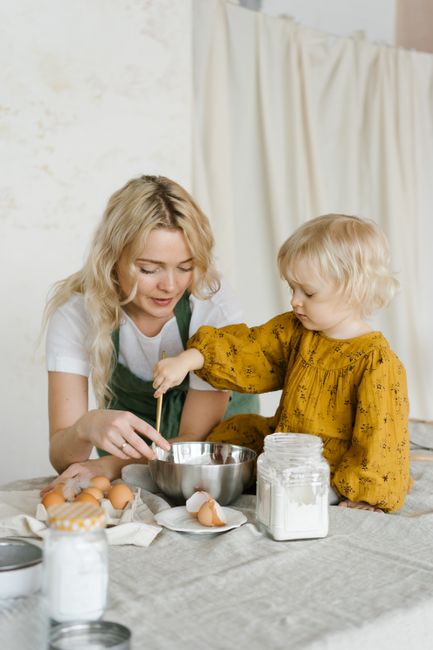
Learning to Cook Vietnamese: A Hands-On Journey Through Flavor
Hey there, fellow food lover! Have you ever been captivated by the vibrant colors, tantalizing aromas, and incredible flavors of Vietnamese cuisine? I know I have! For years, I've been obsessed with everything from steaming bowls of pho to crispy spring rolls, but admiring from afar just wasn't cutting it anymore. I yearned to understand the secrets behind these dishes, to truly connect with the culture through its food. So, I decided to dive headfirst into the world of Vietnamese cooking with some hands-on culinary experiences. And let me tell you, it was an adventure worth savoring!
Why Hands-On Vietnamese Cooking?

You might be thinking, "Why not just follow a recipe online?" And you totally could! But for me, learning to cook Vietnamese was about more than just replicating dishes. It was about understanding the nuances, feeling the textures, and connecting with the traditions. Hands-on cooking classes offered that immersive experience that a cookbook simply couldn't provide. Plus, let's be honest, who doesn't love a good excuse to play with food and learn from expert chefs?
Here's why I found hands-on experiences so valuable:
- Direct Instruction and Feedback: Instead of struggling to interpret written instructions, I had a chef right there guiding me, correcting my technique, and answering my (many!) questions. This immediate feedback was invaluable for mastering things like chopping herbs properly and getting the right consistency for dipping sauces.
- Sensory Engagement: Vietnamese cooking is all about engaging your senses. From the pungent aroma of fish sauce to the satisfying crunch of a perfectly fried spring roll, you need to experience it firsthand. Hands-on classes allowed me to touch, smell, taste, and see everything up close, which deepened my understanding and appreciation for the ingredients and techniques.
- Cultural Immersion: Many classes incorporate cultural elements, like stories about the origin of certain dishes or insights into Vietnamese dining etiquette. It's not just about the food; it's about understanding the context and the people behind it.
- Building Confidence: There's something incredibly empowering about creating a delicious meal from scratch. Each class I took boosted my confidence in the kitchen and inspired me to experiment with new recipes and techniques.
- A Fun and Social Experience: Let's face it, cooking with others is just plain fun! I met some amazing people in my classes, all united by our love of Vietnamese food. Sharing the experience of learning and cooking together created a sense of community and camaraderie.
My Vietnamese Culinary Adventures: A Step-by-Step Journey

Okay, so where did I start? I wasn't exactly a Vietnamese cooking pro before all this. In fact, my knowledge extended mostly to ordering take-out! Here's a breakdown of my culinary journey and some of the key things I learned along the way:
1. Finding the Right Classes
The first step was finding reputable cooking classes. I did a lot of online research, reading reviews and comparing different programs. I looked for classes that:
- Focused specifically on Vietnamese cuisine. This seems obvious, but some classes offer a broader range of Asian cuisines, and I wanted to hone in on the specific techniques and flavors of Vietnam.
- Were taught by experienced chefs with a passion for sharing their knowledge. Look for instructors who are knowledgeable, patient, and enthusiastic about teaching.
- Offered a hands-on learning environment. This was crucial for me, so I made sure the classes involved active participation and allowed me to get my hands dirty.
- Had positive reviews from previous participants. Online reviews can be a great way to gauge the quality of a class and get an idea of what to expect.
- Fit my budget and schedule. Cooking classes can range in price, so I made sure to find options that were affordable and convenient for my busy life.
I ended up taking classes at a local culinary school, a community center, and even a small Vietnamese restaurant that offered cooking workshops. Each experience was unique and valuable in its own way.
2. Mastering the Basics: Ingredients and Techniques
One of the first things I learned was the importance of fresh, high-quality ingredients. Vietnamese cuisine relies heavily on herbs, vegetables, and aromatic spices, so it's essential to use the best you can find. I learned to identify and appreciate ingredients like:
- Fish Sauce (Nước Mắm): This is the cornerstone of Vietnamese cooking, adding a salty, savory, and umami-rich flavor to many dishes. I learned how to choose a good quality fish sauce and how to use it sparingly to avoid overpowering the other flavors.
- Rice Noodles (Bún, Phở): From thin rice vermicelli to wide, flat pho noodles, rice noodles are a staple of Vietnamese cuisine. I learned the different types of noodles, how to cook them properly, and how to use them in various dishes.
- Fresh Herbs (Rau Thơm): Mint, cilantro, basil, and Vietnamese coriander are just a few of the herbs that add freshness and vibrancy to Vietnamese dishes. I learned how to identify and use these herbs, as well as how to store them properly to keep them fresh.
- Rice Paper (Bánh Tráng): Used for making spring rolls and summer rolls, rice paper is a delicate and versatile ingredient. I learned how to rehydrate rice paper properly and how to roll perfect spring rolls without tearing the paper.
- Lemongrass (Sả): This aromatic stalk adds a citrusy, floral flavor to many Vietnamese dishes. I learned how to prepare lemongrass by bruising it to release its essential oils.
- Ginger (Gừng): Adds warmth and spice to marinades, soups, and sauces. I learned how to peel and grate ginger easily.
- Chili Peppers (Ớt): Add heat and complexity to dishes. I discovered my tolerance level (it's not very high!) and learned how to handle them safely.
Beyond the ingredients, I also learned some essential cooking techniques, such as:
- Stir-frying (Xào): This is a common cooking method in Vietnamese cuisine, used to quickly cook vegetables, meats, and noodles over high heat. I learned how to properly preheat my wok or pan and how to add ingredients in the correct order to ensure even cooking.
- Steaming (Hấp): Steaming is a healthy and flavorful way to cook vegetables, fish, and dumplings. I learned how to set up a steamer and how to adjust the cooking time based on the ingredients.
- Grilling (Nướng): Grilling adds a smoky, charred flavor to meats and vegetables. I learned how to marinate ingredients properly and how to grill them to perfection.
- Making Broth (Nước Dùng): Broth is the foundation of many Vietnamese soups and stews, including pho. I learned how to make a rich and flavorful broth by simmering bones, vegetables, and spices for hours. This was a game-changer!
3. Diving into Specific Dishes: A Culinary Journey
Once I had a grasp of the basics, it was time to dive into specific dishes. Here are some of the highlights from my culinary adventures:
- Pho (Phở): Of course! No Vietnamese culinary journey is complete without learning to make pho. I learned the secrets to making a flavorful broth, cooking the noodles perfectly, and assembling a delicious bowl with all the right toppings. Making pho is a labor of love, but the result is well worth the effort.
- Spring Rolls (Gỏi Cuốn): These fresh and vibrant rolls are a staple of Vietnamese cuisine. I learned how to properly rehydrate rice paper, fill the rolls with a variety of fresh ingredients, and roll them tightly to prevent them from falling apart. The key is practice!
- Banh Mi (Bánh Mì): The iconic Vietnamese sandwich. I learned how to make the pate, assemble the sandwich with pickled vegetables, meats, cilantro, and chilies. The perfect banh mi is a symphony of flavors and textures.
- Bun Cha (Bún Chả): This Hanoi specialty features grilled pork patties served with rice noodles, fresh herbs, and a flavorful dipping sauce. I learned how to make the pork patties tender and juicy and how to balance the flavors of the dipping sauce.
- Goi Ga (Gỏi Gà): This refreshing chicken salad is a perfect example of the balance of flavors in Vietnamese cuisine. I learned how to cook the chicken properly, shred it into bite-sized pieces, and combine it with shredded cabbage, carrots, herbs, and a tangy dressing.
4. Experimenting and Adapting: Finding My Own Style
After taking several classes and mastering the basics, I started to feel more confident experimenting with my own recipes and adapting them to my preferences. I began to tweak dishes, adding my own personal touch and incorporating ingredients that I enjoyed. This is where the real fun began! I started to truly understand the principles of Vietnamese cooking, allowing me to create my own unique and delicious dishes.
For example, I discovered that I loved adding roasted peanuts to my summer rolls for extra crunch and flavor. I also started experimenting with different types of herbs and vegetables, using what was fresh and in season. And I learned to adjust the spice level to my liking, adding more or less chili pepper depending on my mood.
Beyond the Kitchen: Embracing Vietnamese Culture
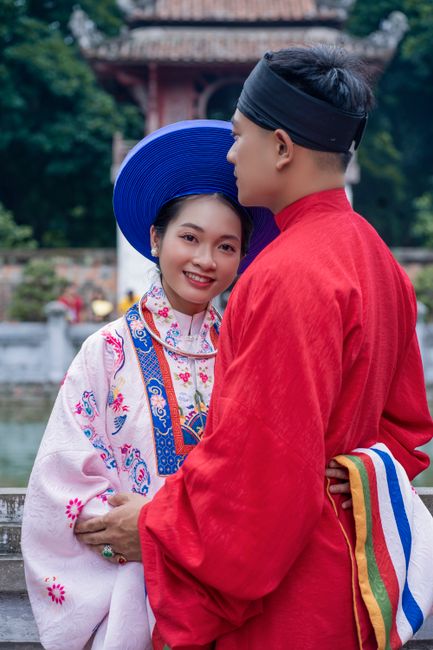
Learning to cook Vietnamese was more than just acquiring new skills in the kitchen. It was a journey of cultural discovery. Through my cooking classes, I learned about the history of Vietnamese cuisine, the traditions surrounding food, and the importance of family meals. I also gained a deeper appreciation for the people and culture of Vietnam.
I started to explore Vietnamese markets and restaurants in my area, trying new dishes and learning about different regional specialties. I also began to read more about Vietnamese culture and history, which helped me to understand the context behind the food.
Here are some ways I further embraced Vietnamese culture:
- Visiting Vietnamese Markets: These markets are a treasure trove of ingredients, spices, and other culinary delights. They are also a great place to learn about Vietnamese culture and interact with local vendors.
- Dining at Vietnamese Restaurants: Trying different dishes at Vietnamese restaurants is a great way to expand your culinary horizons and discover new flavors. Don't be afraid to ask questions and learn about the dishes from the staff.
- Reading Books and Articles about Vietnamese Culture: Learning about the history, traditions, and values of Vietnam can deepen your understanding and appreciation for the cuisine.
- Watching Vietnamese Films and TV Shows: This is a fun and engaging way to immerse yourself in Vietnamese culture and learn more about the people and their way of life.
- Learning Some Basic Vietnamese Phrases: Even knowing a few basic phrases can enhance your experience when visiting Vietnamese markets or restaurants. Plus, it shows respect for the culture.
Final Thoughts: A Flavorful and Rewarding Journey

Learning to cook Vietnamese through hands-on culinary experiences has been one of the most rewarding things I've ever done. It's not only improved my cooking skills but also deepened my appreciation for Vietnamese culture and food. If you're looking for a fun, enriching, and delicious experience, I highly recommend giving it a try. You might just discover a hidden talent and a lifelong passion for Vietnamese cuisine!
So, what are you waiting for? Go find a cooking class, gather your ingredients, and embark on your own Vietnamese culinary adventure. You won't regret it!

Post a Comment for "Learning to Cook Vietnamese: A Hands-On Journey Through Flavor"
Post a Comment