Fansipan Peak: My Adventure Conquering the Roof of Indochina

Fansipan Peak: My Adventure Conquering the Roof of Indochina
So, you're thinking about climbing Fansipan, huh? Let me tell you, it's an experience you won't soon forget! It's known as the "Roof of Indochina" for a reason - it's the highest peak in the region, and conquering it is a real badge of honor. I just got back from my own adventure, and I'm buzzing to share all the details, tips, and tales from my journey. Think of me as your friendly guide, giving you the inside scoop on what to expect and how to make the most of your own Fansipan climb.
Why Fansipan? My Personal Motivation

Before we dive into the nitty-gritty details, let's talk about why I wanted to climb Fansipan in the first place. For me, it wasn't just about reaching the highest point. It was about challenging myself, pushing my limits, and immersing myself in the stunning natural beauty of Vietnam. I'd seen photos of the misty mountains, the vibrant rice terraces, and the breathtaking views from the summit, and I knew I had to experience it for myself. Plus, I've always been drawn to adventure, and the thought of conquering the "Roof of Indochina" was incredibly appealing. I was ready to embrace the challenge!
Maybe you're drawn to the same things, or maybe you have your own reasons. Whatever they are, knowing your "why" will help you stay motivated when things get tough (and trust me, there will be moments!).
Choosing Your Route: Hiking vs. Cable Car

Okay, let's get down to business. One of the first decisions you'll need to make is how you want to reach the summit. You have two main options:
- Hiking: This is the traditional way, and it's definitely the most challenging and rewarding in my opinion. There are several different trekking routes, ranging in difficulty and duration.
- Cable Car: For those who are short on time, not physically prepared for a strenuous hike, or simply prefer a more comfortable journey, the cable car is a fantastic option. It whisks you almost to the top in just a matter of minutes.
I chose to hike, and while it was tough, I wouldn't trade the experience for anything. The sense of accomplishment you feel when you finally reach the summit after days of trekking is incredible. However, if you're pressed for time or have any physical limitations, the cable car is a perfectly valid and enjoyable way to experience Fansipan. It still offers incredible views!
Hiking Routes: Finding the Perfect Fit

If you're like me and you've decided to hike, then you'll need to choose a trekking route. Here are some of the most popular options:
- Sin Chai Village Route: This is considered one of the most scenic routes, taking you through picturesque villages and stunning rice terraces. It typically takes 2-3 days.
- Cat Cat Village Route: A popular choice, this route is a bit more challenging than the Sin Chai route and takes you through diverse landscapes. Expect a 2-3 day trek.
- Tram Ton Pass Route: This is the most common and arguably the easiest of the hiking routes. It's well-maintained and relatively short, taking 1-2 days. However, be prepared for a steep climb near the summit.
I opted for the Tram Ton Pass route because I was a bit short on time, and I wanted a relatively straightforward climb. It was still challenging, but definitely manageable. Research each route thoroughly and consider your fitness level and available time before making a decision. Don't be afraid to ask for advice from trekking agencies or experienced hikers!
Preparing for the Climb: Gear and Fitness

Now, let's talk preparation. Climbing Fansipan is no walk in the park (unless, of course, you're walking in a very steep and rocky park!). You need to be physically prepared and have the right gear to make the experience safe and enjoyable.
Here's what I recommend:
- Fitness: Start training well in advance. Focus on cardio (running, hiking, cycling) and strength training (especially legs and core). The fitter you are, the more you'll enjoy the climb.
- Hiking Boots: Invest in a good pair of waterproof hiking boots that are broken in before your trip. Blisters are no fun on the mountains!
- Clothing: Layers are key. The weather on Fansipan can change quickly, so be prepared for anything. Pack moisture-wicking base layers, warm fleece or a down jacket, and a waterproof and windproof outer layer.
- Backpack: Choose a comfortable backpack with good support. You'll be carrying it for hours, so make sure it fits well.
- Other Essentials: Don't forget sunscreen, a hat, gloves, sunglasses, a headlamp or flashlight, a first-aid kit, insect repellent, and plenty of water and snacks.
I cannot stress the importance of good quality hiking boots enough. They were my saving grace! Also, don't underestimate the power of snacks. Energy bars, nuts, and dried fruit will keep you going when you're feeling tired.
Finding a Guide: Is It Necessary?

While it's possible to hike Fansipan independently, I highly recommend hiring a local guide. Here's why:
- Safety: A guide knows the terrain, weather patterns, and potential hazards. They can help you navigate safely and make informed decisions.
- Navigation: The trails can be confusing in places, and a guide will ensure you stay on the right track.
- Local Knowledge: Guides can share fascinating insights into the local culture, history, and environment.
- Support: They can provide encouragement and assistance when you're feeling tired or overwhelmed.
- Logistics: They can help with arranging permits, porters, and accommodation.
My guide was invaluable. He not only kept me safe and on track but also shared stories about the local Hmong people and pointed out interesting plants and wildlife. He even helped me carry my ridiculously heavy backpack when I was struggling! Do your research and choose a reputable and experienced guide.
My Trekking Experience: Day by Day

Okay, here's a glimpse into my own Fansipan trekking experience, using the Tram Ton Pass route. Get ready for some breathtaking views and a few challenging moments!
Day 1:
We started early in the morning, driving from Sapa to Tram Ton Pass, the starting point of the trek. The first part of the trail was relatively gentle, winding through lush forests. The air was cool and crisp, and the scenery was stunning. We stopped for lunch at a basic but charming camp, refueled, and continued our ascent. The afternoon brought steeper climbs and more challenging terrain. I definitely felt the burn in my legs! We reached our camp for the night around late afternoon. It was a basic shelter with simple beds, but it was a welcome sight. We enjoyed a hearty meal of rice, vegetables, and meat cooked by our guide, and then settled in for the night.
Day 2:
The second day was summit day! We woke up before dawn to begin the final push. The climb was steep and challenging, but the anticipation of reaching the summit kept me going. As we ascended, the landscape transformed from lush forest to rocky terrain. The air grew thinner, and the temperature dropped. Finally, after what felt like an eternity, we reached the summit! The feeling of accomplishment was overwhelming. The views were absolutely breathtaking. We were surrounded by clouds, with peaks poking through like islands in a sea of white. It was an unforgettable moment. We spent some time taking photos, soaking in the atmosphere, and then began our descent. The descent was tough on the knees, but the satisfaction of reaching the summit made it all worthwhile. We arrived back at Tram Ton Pass in the late afternoon, tired but incredibly happy.
Looking back, my experience was tough but amazing. If you are not used to the higher altitude, it can be especially challenging. I highly recommend that you pace yourself, and take it easy, and don't be afraid to take breaks. And bring some headache medication.
The Cable Car Experience: A Bird's-Eye View
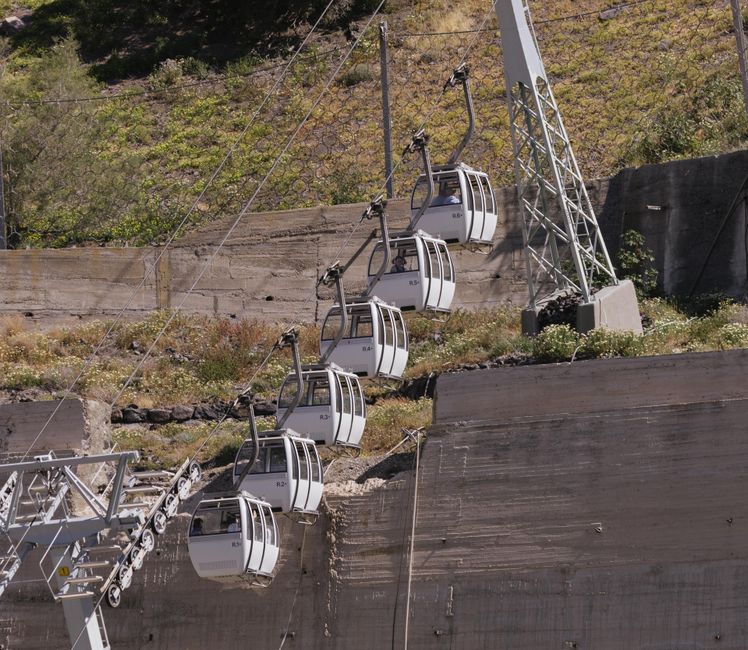
While I chose to hike, I did take the cable car down from the summit after reaching it. It's worth mentioning because it offers a completely different perspective on the mountain. The views from the cable car are incredible, soaring over valleys and forests. It's a great way to appreciate the sheer scale and beauty of Fansipan. If you're considering the cable car option, be prepared for potential crowds, especially during peak season. Book your tickets in advance to avoid long queues.
Tips for a Successful Climb

Here are a few extra tips to help you have a successful and enjoyable Fansipan climb:
- Acclimatize: Spend a day or two in Sapa before your climb to acclimatize to the altitude.
- Stay Hydrated: Drink plenty of water throughout the trek.
- Pace Yourself: Don't try to rush. Take your time and enjoy the journey.
- Listen to Your Body: If you're feeling unwell, stop and rest. Don't push yourself too hard.
- Respect the Environment: Leave no trace behind. Pack out all your trash and avoid disturbing the wildlife.
- Be Prepared for All Weather: The weather on Fansipan can change quickly, so be prepared for anything.
- Enjoy the Moment: Take time to appreciate the stunning scenery and the sense of accomplishment.
Beyond the Summit: Exploring Sapa

Don't just climb Fansipan and leave! Sapa is a beautiful town with a rich culture and stunning landscapes. Spend some time exploring the town, visiting local markets, and learning about the Hmong and Dao people. Consider taking a day trip to explore the surrounding rice terraces and villages. Sapa offers a variety of activities and attractions to suit all interests.
My Final Thoughts: Was It Worth It?

Absolutely! Climbing Fansipan was one of the most challenging and rewarding experiences of my life. It pushed me to my limits, both physically and mentally, and I learned a lot about myself in the process. The views from the summit were simply breathtaking, and the sense of accomplishment was immense. If you're looking for an adventure that will challenge you, inspire you, and leave you with unforgettable memories, then I highly recommend climbing Fansipan. Just be prepared, do your research, and enjoy the journey! You won't regret it.
Now, go out there and conquer that mountain! I'm already dreaming of my next adventure.

Post a Comment for "Fansipan Peak: My Adventure Conquering the Roof of Indochina"
Post a Comment