Exploring the Soul of Vietnam: A Journey into Calligraphy Art & Its Hidden Meanings

Exploring the Soul of Vietnam: A Journey into Calligraphy Art & Its Hidden Meanings
Hey there! Ever been captivated by the elegant strokes of Asian calligraphy? I have, and recently, I've been completely immersed in the beauty of Vietnamese calligraphy. It's more than just fancy writing; it's a window into the heart and soul of Vietnamese culture, history, and philosophy. Let's embark on this fascinating journey together, and I promise, you'll discover a whole new appreciation for this art form.
A Glimpse into History: The Roots of Vietnamese Calligraphy

Okay, so where did all this beautiful writing come from? Well, like many aspects of Vietnamese culture, calligraphy has deep roots in Chinese tradition. For centuries, Chữ Hán (Chinese characters) were the primary writing system in Vietnam, particularly in official settings, literature, and administration. This meant that learning and mastering calligraphy was a serious pursuit for scholars and anyone aspiring to a high position in society.
Think of it like this: calligraphy wasn't just about communication; it was a demonstration of intelligence, refinement, and moral character. Mastering the brushstrokes required years of dedicated practice and a profound understanding of Confucian principles. Imagine the hours spent meticulously practicing each character, striving for perfection and balance!
However, Vietnam wasn't just passively adopting Chinese culture. They were adding their own flavor and adapting things to their unique needs. This led to the development of Chữ Nôm, a writing system based on Chinese characters but used to represent the Vietnamese language. This was a huge step in asserting Vietnamese cultural identity.
Now, Chữ Nôm wasn't exactly easy to learn. It involved borrowing Chinese characters for their phonetic sounds and meanings, then combining them in creative ways to represent Vietnamese words. But the fact that it existed at all is a testament to the Vietnamese desire to express themselves in their own language.
The Rise of Quốc Ngữ: A New Chapter

Things took a significant turn in the 20th century with the adoption of Quốc Ngữ, the romanized Vietnamese alphabet. This was largely thanks to the influence of European missionaries who sought to transcribe the language. While initially met with resistance from some, Quốc Ngữ eventually became the standard writing system for Vietnam, making literacy much more accessible to the general population.
You might think this would spell the end for calligraphy, right? But surprisingly, it didn't! Instead, it evolved and adapted. While Chữ Hán and Chữ Nôm calligraphy still exist, especially in traditional settings, calligraphers began experimenting with Quốc Ngữ, finding new ways to express themselves through the familiar alphabet.
The Art of the Stroke: Techniques and Materials

Okay, let's talk about the actual art itself. What makes Vietnamese calligraphy so visually stunning? A lot of it comes down to the tools and techniques used.
Here's a quick rundown of the essentials:
- The Brush (Bút Lông): This is your primary tool. The quality of the brush significantly impacts the final result. Look for brushes made from animal hair (goat, rabbit, or weasel are common) and a comfortable handle.
- Ink (Mực Tàu): Traditional ink is made from soot and glue, and it's usually prepared by grinding an ink stick with water on an inkstone. It's a process that requires patience and a delicate touch.
- Inkstone (Nghiên Mài Mực): This is the stone used to grind the ink stick. It's often a beautiful object in itself, adding to the ritual of calligraphy.
- Paper (Giấy): Special paper is used for calligraphy, typically rice paper or Xuan paper. It's highly absorbent and allows the ink to spread beautifully.
Now, the techniques involved are a whole other level. It's all about controlling the brush with precision and grace. Here are some key elements:
- Grip: The way you hold the brush is crucial. It affects the angle, pressure, and ultimately, the flow of your strokes.
- Stroke Order: Each character has a specific stroke order, and following it is essential for creating a balanced and harmonious composition.
- Pressure: Varying the pressure on the brush creates different line thicknesses, adding depth and visual interest to the calligraphy.
- Rhythm and Flow: The best calligraphy has a sense of rhythm and flow, like a dance on the page. It's about creating a visual harmony that captivates the viewer.
It takes years of practice to master these techniques, but even beginners can appreciate the beauty and complexity of Vietnamese calligraphy.
Decoding the Symbols: Meaning Beyond the Strokes

This is where things get really interesting! Vietnamese calligraphy isn't just about aesthetics; it's also deeply symbolic. Many characters and phrases carry profound meanings related to Vietnamese culture, philosophy, and values.
Here are a few examples:
- Phúc (福): This character represents happiness, good fortune, and prosperity. It's a very popular choice for calligraphy, often displayed during Tết (Vietnamese Lunar New Year).
- Lộc (祿): This symbolizes wealth, abundance, and success. Similar to "Phúc," it's a common blessing sought after during Tết.
- Thọ (壽): This represents longevity and good health. It's often gifted to elders as a sign of respect and well-wishing.
- An (安): This means peace, tranquility, and security. It's a reminder to find inner peace and live a harmonious life.
Beyond individual characters, calligraphers often write entire phrases or poems that convey specific messages. Common themes include:
- Family and Ancestral Veneration: Honoring ancestors is a central part of Vietnamese culture, and calligraphy is often used to express gratitude and respect for previous generations.
- Hard Work and Perseverance: Emphasizing the importance of diligence and determination in achieving success.
- Love and Relationships: Celebrating the beauty and importance of love, friendship, and family bonds.
- Patriotism and National Pride: Expressing love for Vietnam and its rich cultural heritage.
Understanding these symbols and themes adds a whole new dimension to appreciating Vietnamese calligraphy. It's like reading a hidden message within the strokes, revealing the values and aspirations of the Vietnamese people.
Calligraphy in Modern Vietnam: A Living Tradition

So, where does calligraphy stand in modern Vietnam? Thankfully, it's not a forgotten art form. In fact, it's experiencing a revival of sorts, with many young people taking an interest in learning and practicing calligraphy.
You can find calligraphy in various forms throughout Vietnam:
- Tết Decorations: During the Lunar New Year, streets and homes are filled with calligraphy scrolls and banners wishing good fortune and prosperity. It's a vibrant and festive tradition.
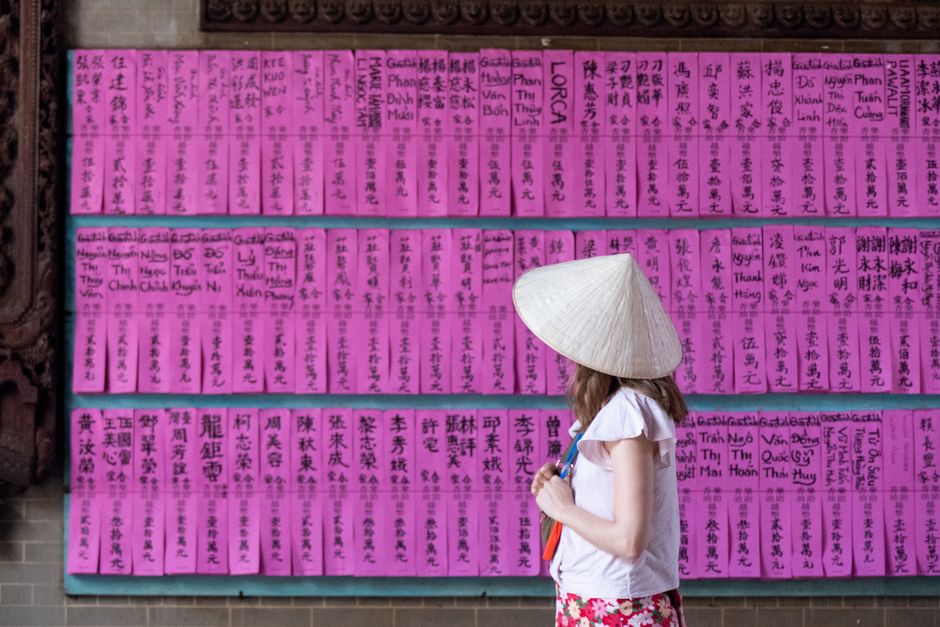
- Religious Sites: Calligraphy is often used in temples and pagodas, adorning walls and altars with sacred texts and blessings.
- Art Galleries and Exhibitions: Contemporary Vietnamese artists are incorporating calligraphy into their work, pushing the boundaries of the art form and creating unique and innovative pieces.
- Souvenirs and Gifts: Calligraphy is a popular souvenir for tourists, allowing them to take home a piece of Vietnamese culture.
One particularly charming tradition is the practice of "Ông Đồ" (Old Master). During Tết, you'll often see calligraphers set up stalls in public places, offering to write personalized wishes and blessings for passersby. It's a wonderful way to experience the art firsthand and receive a meaningful keepsake.
The fact that calligraphy continues to thrive in modern Vietnam is a testament to its enduring cultural significance. It's a reminder of the country's rich history and a powerful expression of its unique identity.
My Personal Journey: Embracing the Art

Okay, I can't talk about Vietnamese calligraphy without sharing a little bit about my own experiences with it. I'm definitely not a master calligrapher (not even close!), but I've found the process of learning and practicing incredibly rewarding.
What started as a simple curiosity quickly turned into a passion. I was drawn to the elegance of the strokes, the depth of the symbolism, and the sense of connection to Vietnamese culture that it provided. I started by watching online tutorials and practicing basic strokes. It was frustrating at first – my lines were wobbly, my characters looked awkward, and I often ended up with ink all over my hands!
But I persevered, and slowly but surely, I started to improve. I learned about the different brushstrokes, the proper grip, and the importance of rhythm and flow. I also began studying the meanings of different characters and phrases, deepening my understanding of Vietnamese culture.
Now, I wouldn't say I'm fluent in calligraphy, but I can write a few basic phrases and characters with some degree of confidence. And more importantly, I've gained a profound appreciation for the art and the people who dedicate their lives to it.
Tips for Exploring Vietnamese Calligraphy Yourself
Feeling inspired to delve into the world of Vietnamese calligraphy? Awesome! Here are a few tips to get you started:
- Start with the Basics: Don't try to run before you can walk. Focus on mastering the fundamental strokes before attempting complex characters.
- Find a Teacher or Online Resources: There are many excellent resources available online, including video tutorials, calligraphy guides, and online communities. If possible, consider taking a class from a qualified instructor.
- Practice Regularly: Like any skill, calligraphy requires consistent practice. Even just 15-20 minutes a day can make a big difference.
- Be Patient: Don't get discouraged if you don't see results immediately. Calligraphy is a journey, not a destination. Enjoy the process and celebrate your progress along the way.
- Immerse Yourself in Vietnamese Culture: The more you learn about Vietnamese history, culture, and philosophy, the deeper your appreciation for calligraphy will become.
- Visit Vietnam (If Possible!): Experiencing Vietnamese culture firsthand will provide invaluable insights and inspiration. Seek out calligraphy demonstrations, visit art galleries, and chat with local artists.
Final Thoughts: More Than Just Writing

Vietnamese calligraphy is so much more than just writing; it's a living testament to the beauty, resilience, and cultural richness of Vietnam. It's a connection to the past, a celebration of the present, and a hope for the future.
I hope this journey into Vietnamese calligraphy has inspired you to explore this fascinating art form. Whether you decide to pick up a brush yourself or simply appreciate the beauty of the strokes, I encourage you to embrace the spirit of creativity, tradition, and cultural exchange that it represents. Who knows, maybe you'll discover a hidden passion and unlock a whole new world of artistic expression! And if you do, I'd love to hear about it!

Post a Comment for "Exploring the Soul of Vietnam: A Journey into Calligraphy Art & Its Hidden Meanings"
Post a Comment